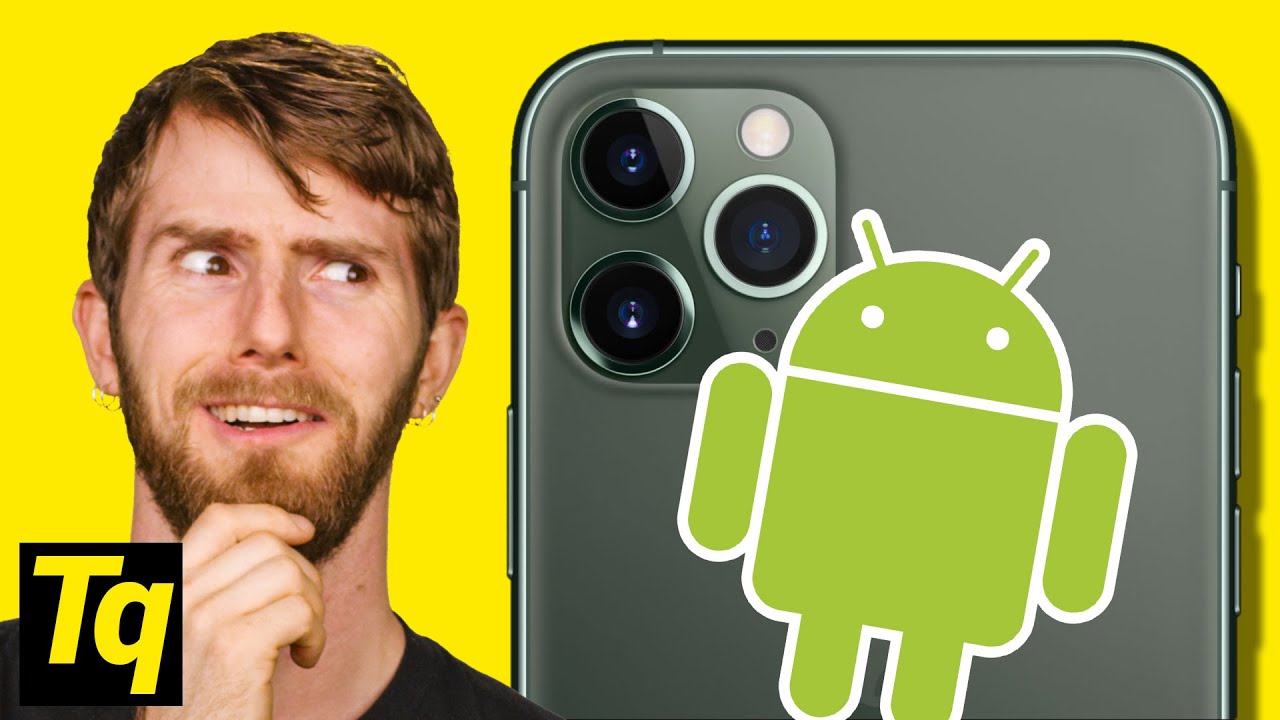
How To Install ANDROID on an iPhone
0 up · 0 down · 0 ratings
Promos
Sign up for Private Internet Access VPN at privateinternetaccess.com Is it possible to get Android working on an iPhone? Leave a reply with your requests for future episodes, or tweet them here: twitter.com GET MERCH: lttstore.com SUPPORT US ON FLOATPLANE: floatplane.com LTX EXPO: ltxexpo.com AFFILIATES & REFERRALS --------------------------------------------------- Affiliates, Sponsors & Referrals: lmg.gg Get Private Internet Access VPN at lmg.gg Get a Displate Metal Print at lmg.gg Support a Creator code LINUSMEDIAGROUP on Epic Games Store: lmg.gg Get a 30-day free trial of Amazon Prime at lmg.gg Our Test Benches on Amazon: lmg.gg Our Production Gear: lmg.gg FOLLOW US ELSEWHERE --------------------------------------------------- Twitter: twitter.com Facebook: @LinusTech Instagram: @linustech Twitch: twitch.tv FOLLOW OUR OTHER CHANNELS --------------------------------------------------- Linus Tech Tips: lmg.gg TechLinked: lmg.gg ShortCircuit: lmg.gg LMG Clips: lmg.gg Channel Super Fun: lmg.gg Carpool Critics: lmg.gg
The video explains how Android was made to run on an iPhone through a project called Sandcastle, developed by Corellium. It describes the core idea of virtualizing an iPhone to test software and exploits in a safe environment, which enables the team to port Android to iPhone hardware. A key engineering challenge was writing custom drivers to bridge the different hardware interfaces, including NVMe storage, and adapting Android’s memory management to the iPhone’s paging system. The presenters discuss the role of a jailbreak, specifically checkra1n, which leverages a bootrom vulnerability to bypass iOS restrictions and load the sandboxed Android environment. They outline the current limitations of the beta, noting that audio, cellular connectivity, Bluetooth, and camera do not work yet, while multitouch, USB, and WiFi are functional. The video emphasizes that this is a beta experiment with significant caveats, including that the setup disappears on reboot and is not suitable as a daily driver. Finally, they reflect on whether future developments could yield a more complete, unsanctioned Android experience on iPhone hardware, draw parallels to Hackintosh efforts, and remind viewers of the experimental nature and risks involved.
Topics · technology · mobile devices · computer hardware · cybersecurity