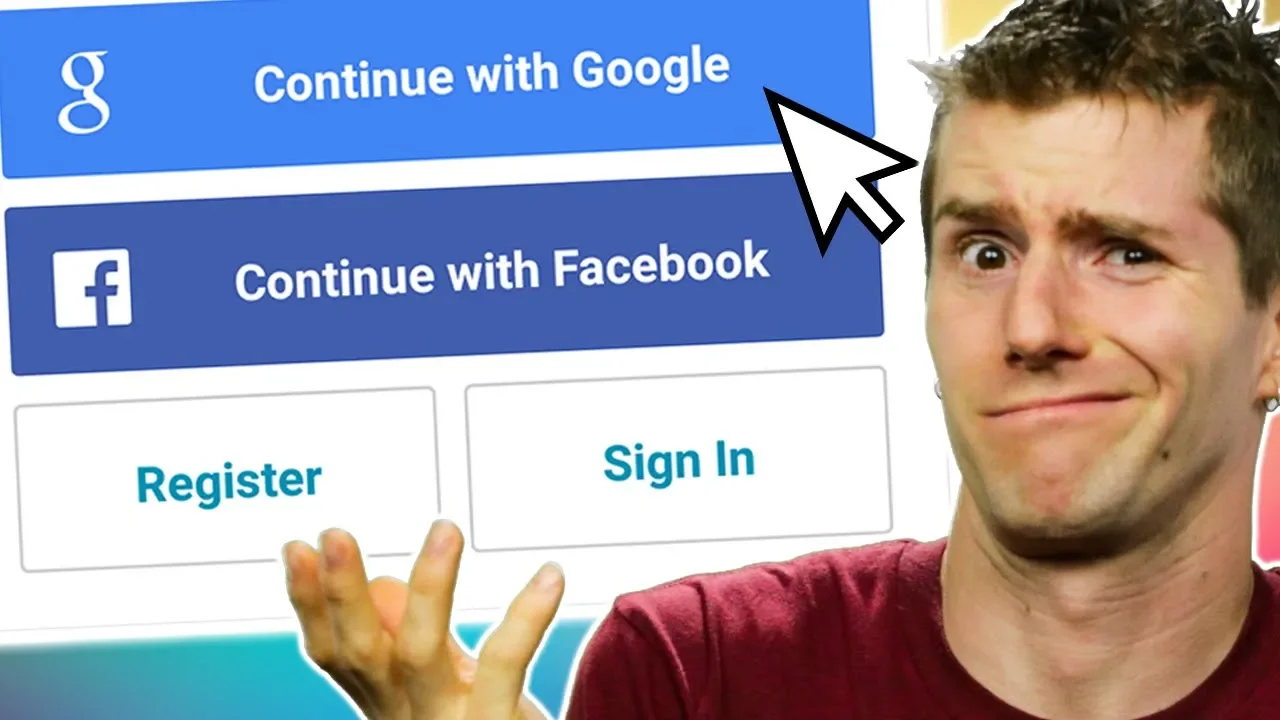
How Does "Sign in With Apple" Work?
0 up · 0 down · 0 ratings
Promos
The first 200 people who head to brilliant.org will get 20% off their annual premium subscription of Brilliant. How do single sign-on solutions work, and is Apple offering something different from Google and Facebook? Techquickie Merch Store: lttstore.com Follow: twitter.com Leave a reply with your requests for future episodes, or tweet them here: twitter.com
The video explains how sign in with Apple fits into the landscape of single sign-on solutions like Google and Facebook, and it breaks down the underlying protocol that makes these sign-in options possible. It starts by highlighting the repetitive burden of creating accounts across countless sites and the appeal of social sign-ins that streamline registration. The host then introduces OAuth as the standard mechanism that allows a third-party site to access only specific parts of your account, such as your name and email, after you prove you are signed in to a primary service. A key distinction is that OAuth does not reveal your actual passwords to the third-party site, which helps protect your credentials while enabling convenient access. The discussion continues with how Apple’s approach adds a layer of privacy by generating anonymized, unique email addresses for each service, reducing exposure of the real email and limiting tracking. The host also covers Apple’s claim that sign in with Apple is designed to reduce cross-service tracking compared to Google or Facebook, and notes that Apple plans to require sign in with Apple for apps that use other single sign-on options. Overall, the video frames the trade-off between ease of use and privacy, and evaluates whether Apple’s features truly deliver a preferable balance, including remarks on potential future implications for app developers and user experience.
Topics · technology · privacy · security · authentication · cloud-services · apps & services