SMART for HDDs/SSDs as Fast As Possible
0 up · 0 down · 0 ratings
Promos
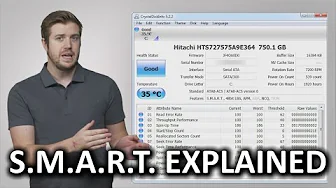
S.M.A.R.T. is a tool that can alert you if your hard drive or SSD is about to fail. How do you use it, and how much can you rely on it? Squarespace link: Visit squarespace.com and use offer code TECHQUICKIE to save 10% off your first order. Follow: twitter.com/linustech Join the community: twitter.com/linustech
The video introduces S.M.A.R.T. as a built in monitoring tool for hard drives and SSDs, explaining that its purpose is to warn you when a drive is at risk of failure. It describes how SMART works by tracking a broad set of attributes related to reliability, such as spin-up time, read/write errors, vibration, temperature, bad sectors, and wear since it covers both HDDs and SSDs. The host emphasizes that SMART is a helpful warning system but not a guaranteed predictor, noting studies that show SMART flags may miss failures in a portion of cases. Practical guidance is provided for users to check SMART status via built in Windows features or third party utilities, and the importance of backing up data remains central. The video also offers a reality check by comparing SMART to other detection methods and encourages vigilance for unusual drive behavior, while reiterating that backups are essential even if SMART reports healthy conditions. A light promotional aside promotes Squarespace, but the core takeaway is to use SMART as part of a broader data protection strategy. By the end, viewers are reminded that SMART can provide early warnings, but data safety ultimately depends on proactive backups and monitoring of any drive anomalies.
Topics · technology · data_storage · hardware
Questions answered
- What does S.M.A.R.T. monitor in hard drives and SSDs?
- S.M.A.R.T. monitors a range of attributes related to reliability, including spin-up time, read/write errors, temperature, bad sectors, wear, and other indicators that can signal a drive may fail.