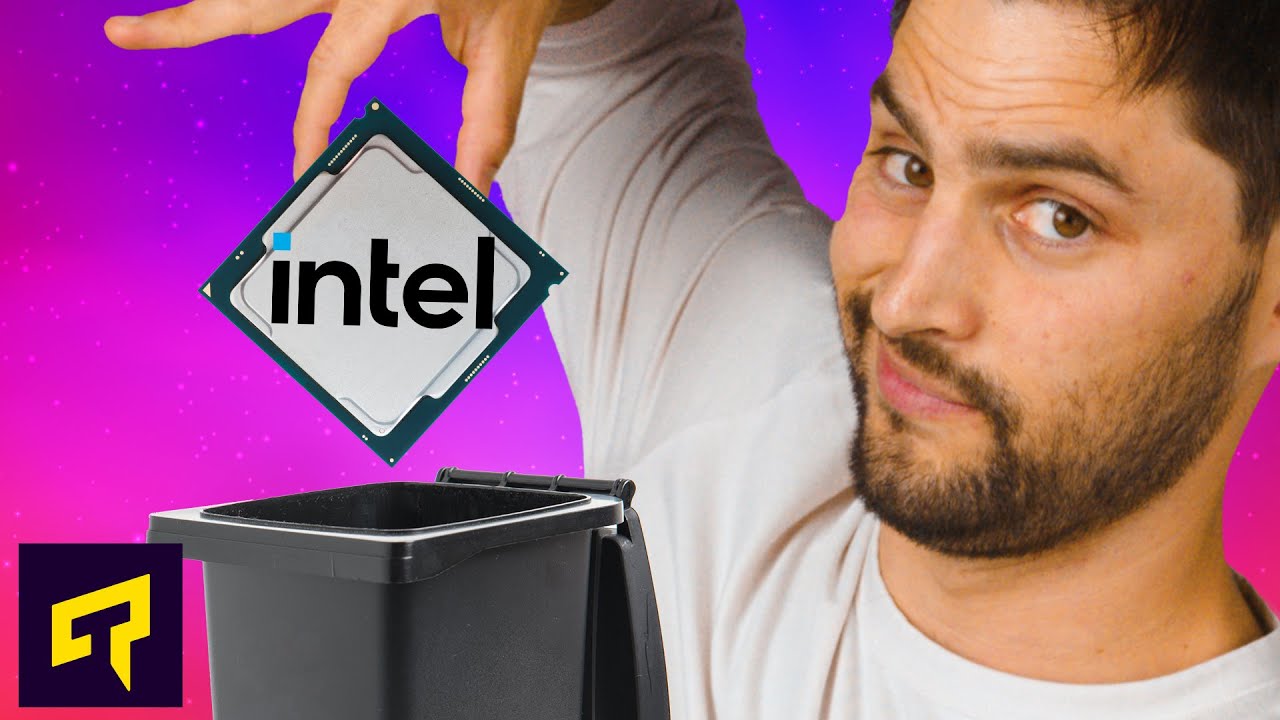
Intel Tried To Kill x86! - Itanium Explained
0 up · 0 down · 0 ratings
Promos
Get iFixit's Pro Tech Toolkit at ifixit.com Learn about Itanium, the Intel architecture that was once meant to replace x86. Leave a reply with your requests for future episodes, or tweet them here: twitter.com ►GET MERCH: lttstore.com ►SUPPORT US ON FLOATPLANE: floatplane.com ►LTX EXPO: ltxexpo.com AFFILIATES & REFERRALS --------------------------------------------------- ►Affiliates, Sponsors & Referrals: lmg.gg ►Private Internet Access VPN: lmg.gg ►MK Keyboards: lmg.gg ►Secretlabs Gaming Chairs: lmg.gg ►Nerd or Die Stream Overlays: lmg.gg ►Green Man Gaming lmg.gg ►Amazon Prime: lmg.gg ►Audible Free Trial: lmg.gg ►Our Gear on Amazon: geni.us FOLLOW US ELSEWHERE --------------------------------------------------- Twitter: twitter.com Facebook: @LinusTech Instagram: @linustech Twitch: twitch.tv FOLLOW OUR OTHER CHANNELS --------------------------------------------------- Linus Tech Tips: lmg.gg Mac Address: lmg.gg TechLinked: lmg.gg ShortCircuit: lmg.gg LMG Clips: lmg.gg Channel Super Fun: lmg.gg Carpool Critics: lmg.gg
Intel Tried To Kill x86! - Itanium Explained walks through the rise and fall of Itanium, Intel and HP’s ambitious attempt in the early 2000s to replace the dominant x86 architecture with a software-scheduled design called IA-64. The video begins by establishing the historical context: Itanium debuted in 2001 as a 64-bit processor architecture built on EPIC ideas, with the goal of delivering superior efficiency by letting software determine instruction scheduling rather than the hardware. It explains how this approach required a specialized scheduler to optimize instruction flow based on memory access timing, a task that is difficult for software to predict accurately. The narrative then contrasts Itanium with AMD’s Opteron, which arrived later with native x86-64 support and immediate compatibility with existing software, thereby making Itanium’s emulation overhead and non-native software ecosystem a critical disadvantage. The host highlights how Intel eventually allowed Xeon to cannibalize Itanium in the server space, effectively sidelining Itanium despite continued development into 2017. The takeaway centers on the practical challenge of reinventing a foundational technology when the supporting ecosystem,software, tooling, and market readiness,has already aligned around x86, and how misalignment between vision and execution can doom even technically impressive architectures. The video ends by tying the lessons to broader patterns in hardware design, stressing that a revolutionary idea must also fit the surrounding software and market infrastructure to succeed, otherwise it risks becoming a niche curiosity or a historical footnote.
Topics · technology · computing · history · hardware design · server systems
Questions answered
- What was the core idea behind Itanium and IA-64, and how did it differ from traditional x86 design?
- Itanium used EPIC principles to shift the complexity of scheduling instructions from hardware to software, aiming for better parallelism and efficiency by letting software decide instruction order rather than the CPU. This required a specialized scheduler that could optimize execution timing based on memory access, but it also introduced substantial overhead and compatibility challenges since most software was written for x86.
- Why did Itanium struggle to gain traction despite being a 64-bit first, and how did Intel respond in the server market?
- Itanium faced performance and ecosystem challenges because most software ran on x86 and had to be emulated on Itanium, adding overhead. AMD's Opteron provided a native 64-bit path with x86-64 compatibility, making it easier for users to upgrade. Intel eventually let Xeon cannibalize Itanium in the server market, relegating Itanium to niche roles.