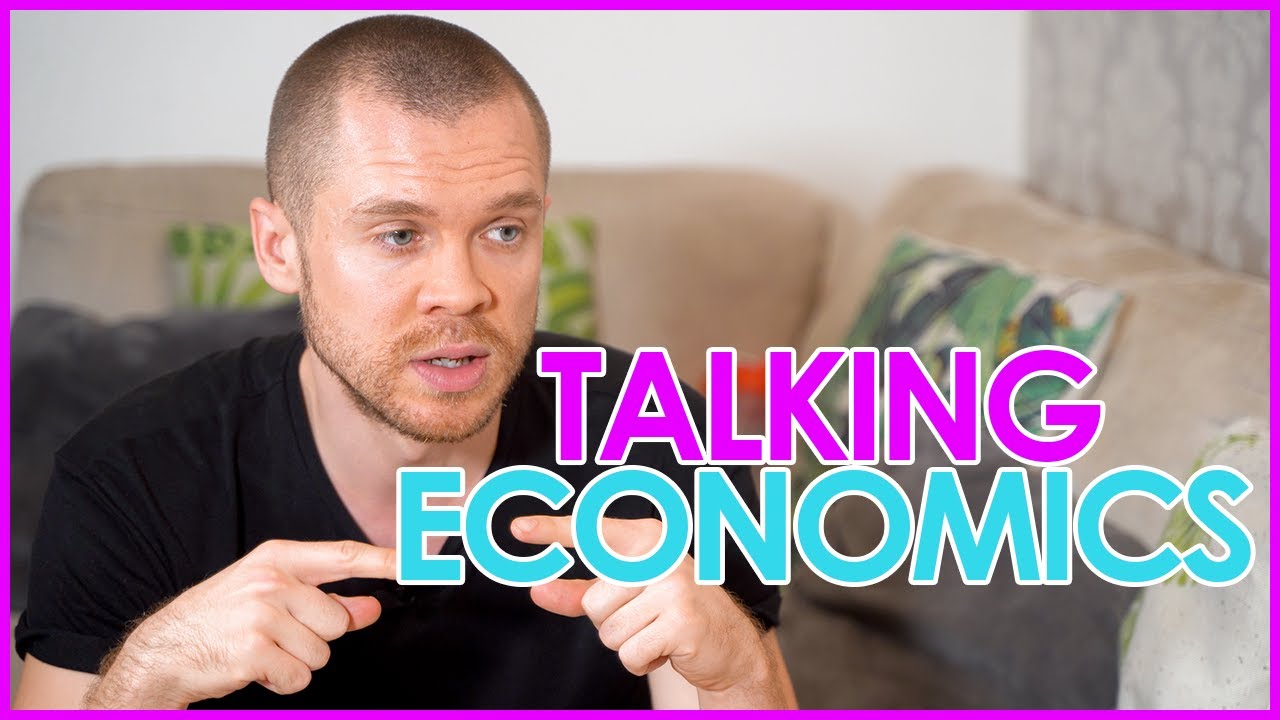
Conversation with a Viewer
0 up · 0 down · 0 ratings
Channels and socials
Gary has a casual chat about the channel with an anonymous friend who often watches the channel SUBSCRIBE, SHARE & START A CONVERSATION SOCIAL MEDIA: WEBSITE - wealtheconomics.org TWITTER - @garyseconomics - twitter.com FACEBOOK - @garyseconomics - @garyseconomics INSTAGRAM - @garyseconomics - @garyseconomics TIKTOK - @garyseconomics - @garyseconomics YOUTUBE - @garyseconomics - @GarysEconomics Performed by Gary Stevenson GARYSECONOMICS Produced by Simran Mohan MOHAN MEDIA
The video opens with a reflective stance about public understanding and its power to drive change. The host argues that if people clearly understood the direction society is heading, a large majority would reject it and push for reform. He links this to misinformation and miscommunication, suggesting that the current information landscape often fails to illuminate the real forces shaping living standards. The guest, described as a long-time watcher who is stepping in to ask questions on behalf of the audience, signals a shift toward a more educational, less newsy format. They discuss balancing timely responses to major events with longer, explanatory pieces that prepare viewers for future developments, emphasizing that the channel is about the long-term picture rather than breaking-news analysis. A central theme is stopping living standard declines by reducing inequality, which the guest frames as a collective effort that depends on public demand and informed civic engagement rather than elite tinkering alone.
Topics · politics · economics · social issues · media literacy
Questions answered
- What is the core aim of the channel according to the host, and how does it differ from a traditional news outlet?
- The channel aims to educate ordinary people about the long-term economic picture and wealth inequality, not just report breaking news. It emphasizes explaining how systems work, identifying root causes, and empowering viewers to participate in change over time rather than providing on-the-spot headlines.
- Why does the guest believe misinformation exists, and who does he accuse of benefiting from it?
- He argues that misinformation is partly intentional, pointing to media empires, influential think tanks, and wealthy owners who fund outlets to push narratives that protect their interests, particularly against wealth taxation.
- What practical steps does the guest suggest viewers take to push for change?
- Viewers should discuss these ideas with friends, family, and colleagues, and use their voices in public forums, talk radio, and social media to create a wider conversation. The aim is to build a collective demand for wealth-focused policies, not rely solely on politicians.
- Is change portrayed as easy or inevitable in the video, and what is the proposed mechanism for achieving it?
- Change is portrayed as challenging and gradual, not automatic. The mechanism proposed is a bottom-up process: informed public pressure, expanded dialogue across communities, and eventually political accountability, especially around wealth inequality.