How Do Memory Timings Work?
0 up · 0 down · 0 ratings
Promos
What do those sequences of memory timings on your RAM modules mean? TunnelBear message: TunnelBear is the easy-to-use VPN app for mobile and desktop. Visit tunnelbear.com to try it free and save 10% when you sign up for unlimited TunnelBear data. Techquickie Merch Store: designbyhumans.com Techquickie Movie Poster: shop.crowdmade.com Leave a comment with your requests for future episodes, or tweet them here: twitter.com Follow: twitter.com Join the community: linustechtips.com
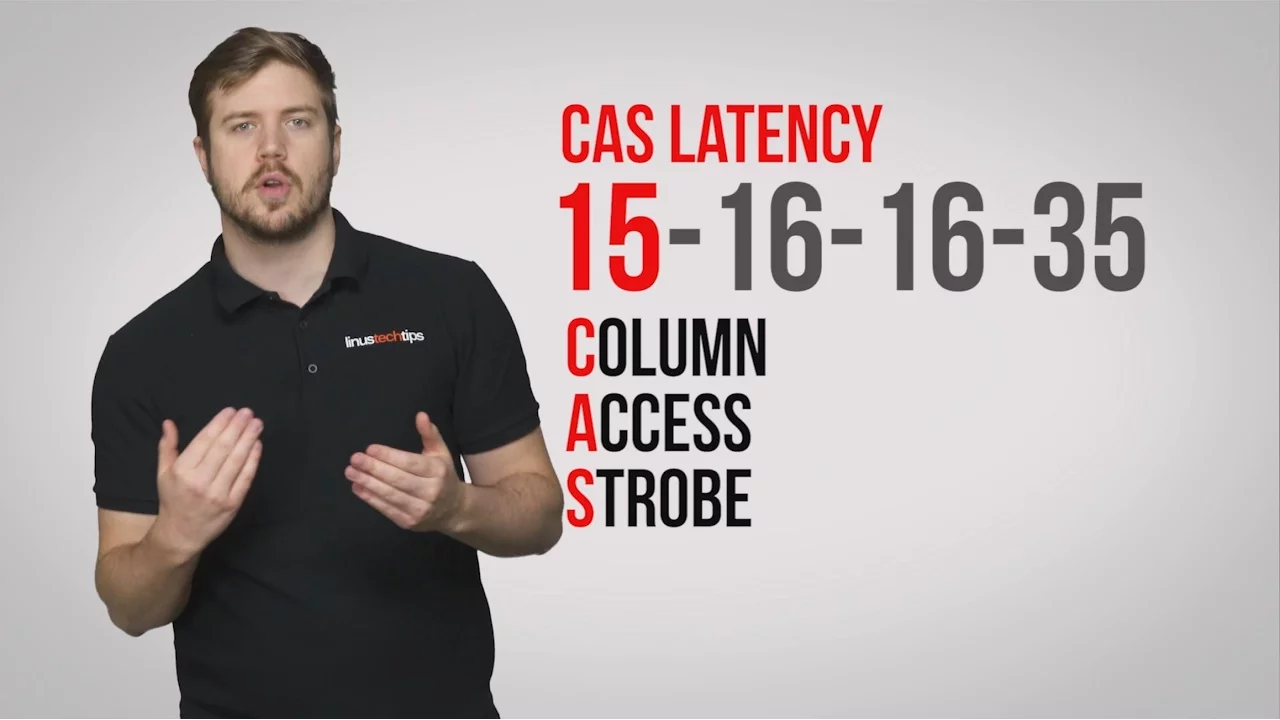
Memory timings on RAM modules are a set of numbers that describe how quickly a memory module can respond to a request and access data once a request is made. The video explains that frequency tells you how much data can be moved per second, but timings tell you the latency until data starts moving. The first timing, tCAS, measures how many clock cycles it takes for the RAM to start responding to a data request, and a lower value generally means lower latency, though real-world latency depends on the module's clock speed as well. The other timings described are tRCD (row address to column address delay), tRP (row precharge time), and tRAS or TRCD, which together reflect the delays involved in opening a row, selecting a column, and keeping the row open long enough to read or write data. The presenter notes that modern BIOSes often offer XMP profiles to automatically set RAM to its rated speed, voltage, and timings, but enthusiasts can tighten the timings to squeeze more performance, testing stability with tools like MemTest86 before pushing voltages higher within manufacturer recommendations. The video also covers practical advice for those who want to experiment with timings on Ryzen versus Intel systems. It suggests adjusting each of the first three numbers by small increments and validating stability between changes, and it acknowledges that real-world gains from tighter timings can vary by workload and platform. While faster RAM speeds and lower timings can improve performance in some scenarios, the evidence indicates that the impact is often workload dependent, with some reports suggesting Ryzen platforms may benefit more from tighter timings. The host wraps up with a brief note on using VPN software as a lighter aside and encourages viewers to try overclocking carefully, using stress tests to ensure system stability while adhering to recommended voltage ranges.
Topics · technology · hardware · computing · science_and_tech
Questions answered
- What does tCAS stand for and why does it matter for RAM timing?
- tCAS stands for CAS latency, and it measures the number of clock cycles before the RAM begins delivering data after a request. Lower tCAS generally means lower latency and faster access to data, though the real-world impact also depends on RAM frequency.
- How can I improve RAM performance through timings, and what should I test for stability?
- You can tighten the first three timings by small increments (for example, lowering tCAS, tRCD, or tRP) and test stability with a stress test like MemTest86 after each change. If instability appears, adjust voltage within manufacturer guidelines and re-test.
- Should I always rely on XMP profiles to run RAM at rated speed?
- XMP profiles provide a convenient way to set RAM to its rated speed, voltage, and timings, but enthusiasts might push tighter timings or higher speeds manually. Check motherboard support and run stability tests after any manual changes.