PC Parts That Disappeared
0 up · 0 down · 0 ratings
Promos
Sign up for Private Internet Access VPN at privateinternetaccess.com Some of the ubiquitous PC parts we're all used to today used to look VERY different... Leave a reply with your requests for future episodes, or tweet them here: twitter.com ►GET MERCH: lttstore.com ►SUPPORT US ON FLOATPLANE: floatplane.com ►LTX EXPO: ltxexpo.com AFFILIATES & REFERRALS --------------------------------------------------- ►Affiliates, Sponsors & Referrals: lmg.gg ►Private Internet Access VPN: lmg.gg ►MK Keyboards: lmg.gg ►Nerd or Die Stream Overlays: lmg.gg ►Official Game Store: nexus.gg ►Amazon Prime: lmg.gg ►Audible Free Trial: lmg.gg ►Our Gear on Amazon: geni.us FOLLOW US ELSEWHERE --------------------------------------------------- Twitter: twitter.com Facebook: @LinusTech Instagram: @linustech Twitch: twitch.tv FOLLOW OUR OTHER CHANNELS --------------------------------------------------- Linus Tech Tips: lmg.gg Mac Address: lmg.gg TechLinked: lmg.gg ShortCircuit: lmg.gg LMG Clips: lmg.gg Channel Super Fun: lmg.gg Carpool Critics: lmg.gg
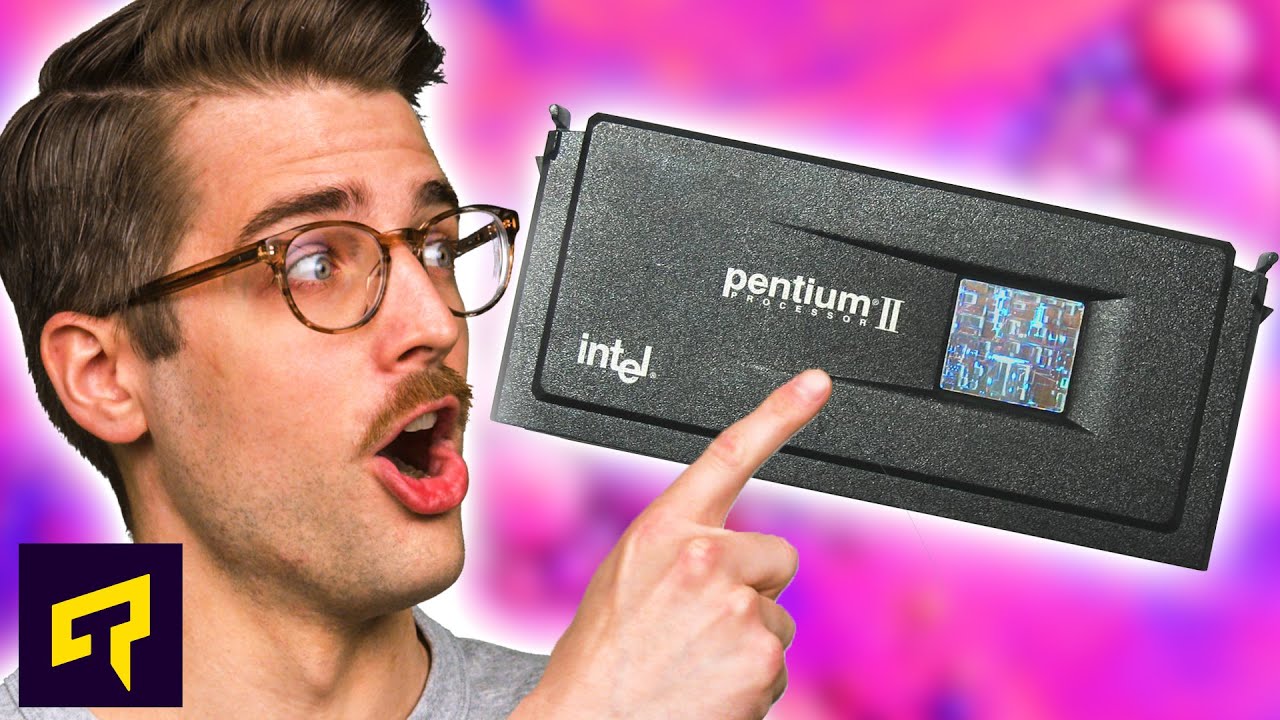
PC Parts That Disappeared surveys the history of PC hardware by highlighting several standards that once dominated the PC landscape but later vanished. The host explains slot-based CPUs from the late 1990s, beginning with the Pentium II in 1997, which used a large printed circuit board to mount both the CPU and cache alongside it. This design choice aimed to optimize cache capacity and performance while avoiding costly yields problems seen with earlier combined-chip approaches like the Pentium Pro. The discussion emphasizes how these slot CPUs required a larger motherboard footprint and a distinct installation experience, which feels almost quaint to modern builders who are used to compact, square CPUs with integrated caches. The narrative then transitions to BTX, a planned successor to ATX introduced in the mid-2000s, which promised cooler operation and tighter component clustering but ultimately failed to gain traction due to evolving power efficiency and a shift in Intel’s strategy toward multi-core, low-power designs. The video also covers Rambus DRAM (RDRAM), initially pitched as a high-performance memory technology that Intel backed for Pentium 4, but which proved expensive, difficult to manufacture, and ultimately unable to surpass DDR SDRAM in real-world use, sealing its fate in the e-waste bin of tech history. Throughout, the host weaves in practical insights about how these technologies influenced manufacturing decisions, market adoption, and the eventual path of PC hardware toward standardized, economical solutions. The closing portions invite viewer interaction by asking what other failed technologies should be revisited, while also interlacing sponsorship messages and calls to action for fans to engage with the channel and related products. Overall, the video presents a concise, narrative-driven tour of a few notable hardware eras that illustrate how engineering tradeoffs and market dynamics shape the arc of technology. The episode balances technical explanation with accessible storytelling, using concrete examples such as the cache layout in slot CPUs and the final shift to cooler, more energy-efficient cores. It also contrasts the oft-touted advantages of BTX and RDRAM with their practical drawbacks, showing how perception can diverge from performance in real-world environments. Viewers are treated to a nostalgic retrospective that pairs hardware specifics with broader lessons about compatibility, cost, and manufacturability. By the end, the audience is left with a sense of progression from experimental, bulky designs to the compact, integrated systems that define today’s PC builds, alongside a prompt to imagine what future past technologies could make a comeback or deserve a revisionist history.
Topics · technology · computing · hardware · history · tech-history
Questions answered
- Waarom waren slot-CPU's ooit populair en wat maakte ze uiteindelijk minder aantrekkelijk dan moderne lijnprocessors?
- Slot-CPU's werden ontworpen om cache en andere chips in één pakket te combineren en soortoen dat yieldsproblemen bij vroege gecombineerde chips te verminderen; later evolueerde technologie naar cache-integratie op de cpu zelf, waardoor slotontwerpen overbodig werden.
- Wat maakte RDRAM uiteindelijk minder succesvol dan DDR SDRAM ondanks sterke theoretische cijfers?
- RDRAM was duurder, moeilijker te produceren en gaf in de meeste toepassingen geen duidelijke prestatievoordelen ten opzichte van DDR SDRAM, waardoor DDR SDRAM uiteindelijk de standaard werd.