So You Want More CPU Cores...
0 up · 0 down · 0 ratings
Channels and socials
Organize your desktop with Aquasnap at geni.us Twitter: twitter.com Instagram: @TechLinkedYT Facebook: @TechLinked NEWS SOURCES: FOUR DOZEN CORES AND A COKE newsroom.intel.com extremetech.com tomshardware.com HAMR TIME hexus.net hothardware.com theregister.co.uk AMAZON GIVING OUT GIFTS EARLY press.aboutamazon.com digitaltrends.com arstechnica.com QUICK BITS 1080 “TI”ME’S UP gamersnexus.net SWITCHING ON YOUTUBE ign.com BAKED APPLES fastcompany.com SMART CARTS engadget.com MONDAY FORTNITE FOOTBALL theverge.com #CascadeLake #Xeon #HAMR
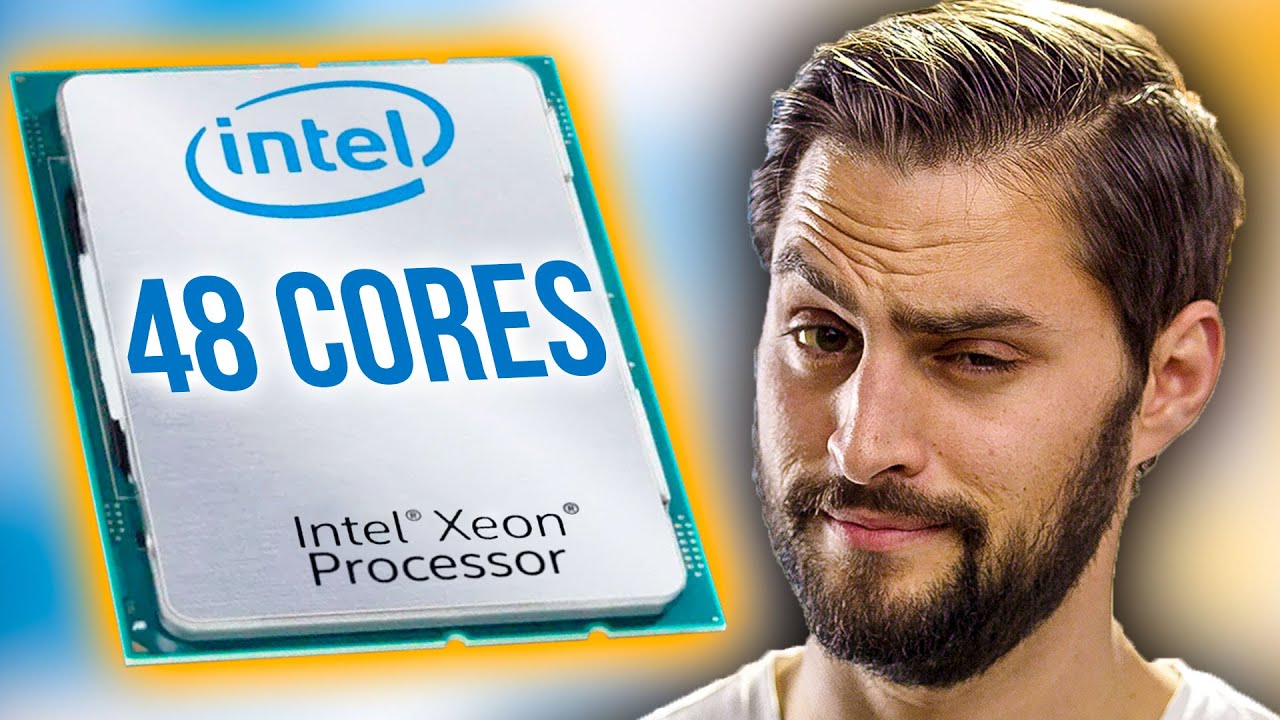
The video opens by highlighting Intel’s Cascade Lake Xeon lineup, emphasizing that these servers push up to 48 cores on a single chip, which is a notable increase over competing offerings from AMD. The host notes that Intel claims the new CPUs are retooled to mitigate Spectre and Meltdown vulnerabilities, and argues that in certain tasks they are more than three times as fast as AMD’s current equivalents, setting the stage for a core-centric arms race in the server market. The discussion then broadens to the implications of higher core counts for real-world workloads, implicitly suggesting that more cores could transform performance envelopes across data centers and enterprise applications. A light-hearted aside compares cores to a light bulb joke, signaling the show’s characteristic blend of technical detail with accessible humor. The segment moves from core counts to a broader context of storage and other tech news, signaling a transition from CPUs to the larger hardware ecosystem. The host underscores that the pace of advancement in cores is being mirrored by a wave of complementary technologies and product roadmaps, foreshadowing continued evolution in computing capabilities. The conclusion ties back to the central thesis that more cores are becoming a defining feature of modern high-end systems, with a nod to how this trend shapes expectations for both enterprise performance and consumer awareness of CPU benchmarks.
Topics · technology · computing · hardware · news