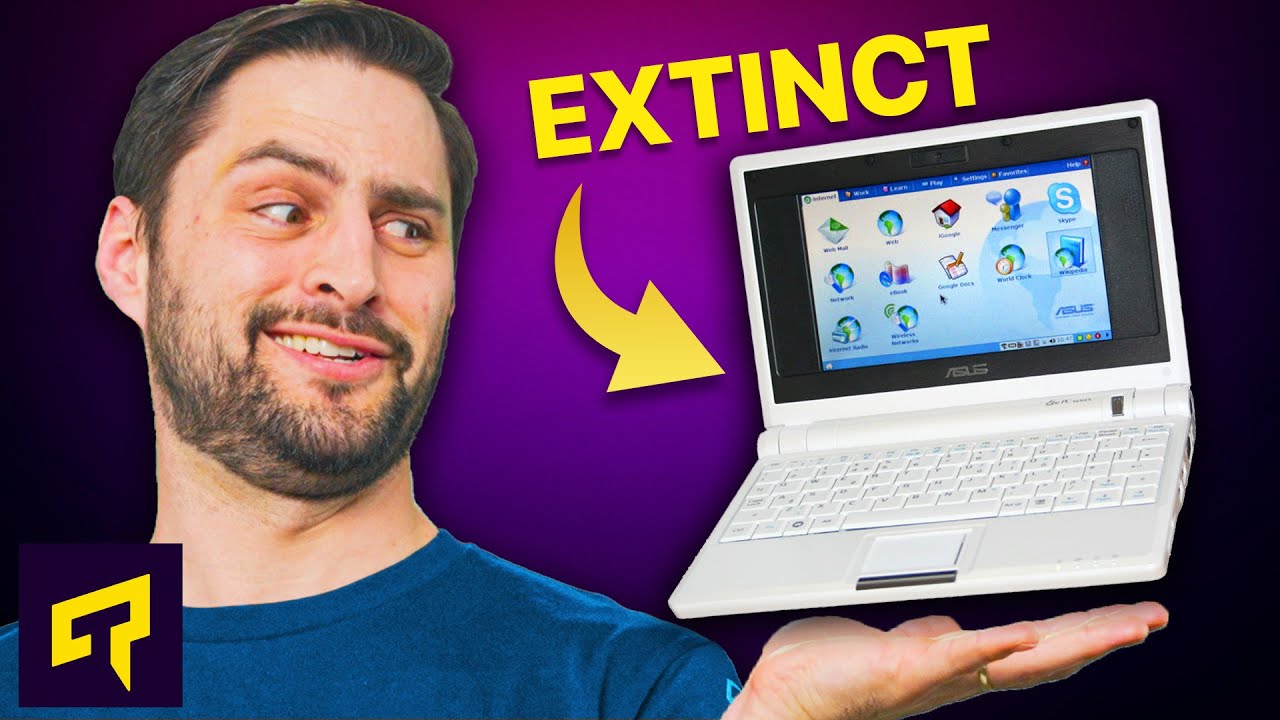
Why are THESE laptops dead? (Netbooks)
0 up · 0 down · 0 ratings
Promos
Get 20% off DeleteMe US consumer plans when you go to joindeleteme.com and use promo code Techquickie at checkout. DeleteMe International Plans: international.joindeleteme.com Netbooks were quite popular during the late 2000s and early 2010s - so why is there no longer a market for mini-laptops that are primarily focused on online services, seeing as we're so dependent on the cloud these days? Leave a reply with your requests for future episodes. ► GET MERCH: lttstore.com ► GET EXCLUSIVE CONTENT ON FLOATPLANE: lmg.gg ► SPONSORS, AFFILIATES, AND PARTNERS: lmg.gg FOLLOW US ELSEWHERE --------------------------------------------------- Twitter: twitter.com Facebook: @LinusTech Instagram: @linustech TikTok: @linustech Twitch: twitch.tv
The video introduces the historical niche of netbooks, describing them as ultra lightweight laptops designed to be primarily internet machines around the late 2000s. It notes that these devices often weighed around 2 pounds and used low-power components, such as the Asus EeePC 700, which popularized the form with a small 7-inch display and a Linux-based lightweight OS. The narrative explains how netbooks emerged amid the rise of cloud-based services, with early adopters valuing portability and basic productivity tasks like word processing over high performance. It discusses how Microsoft encouraged licensing Windows only for devices meeting certain specs, which kept netbooks lean but also limited their software capabilities. By 2010 the market looked strong, but as tablets, smartphones, and cheaper full-featured laptops arrived, netbooks faced pressure from multiple directions, eventually fading from production by 2013. The video concludes that the netbook era largely ended because competing technologies closed the performance and reliability gap while still offering better form factors and price, effectively squeezing netbooks out of the market. It also frames the broader shift toward more capable, yet still affordable, laptops, including Chromebooks which some audience members liken to modern netbooks in spirit. Overall, the segment ties together pricing, hardware limitations, and evolving consumer expectations to explain the disappearance of the dedicated netbook category while hinting at the legacy they left on today’s portable computing landscape.
Topics · technology · computers · history · gadgets · cloud computing · laptops
Questions answered
- Why did netbooks rise in popularity in the late 2000s and what limitations held them back?
- Netbooks rose because they offered very light weight, low cost, and sufficient capabilities for web-based tasks and basic productivity, leveraging cloud services. Their limitations included underpowered CPUs, limited RAM, cramped keyboards, weak storage options, and Windows licensing that pushed stripped-down software onto devices that could not fully exploit Windows capabilities.