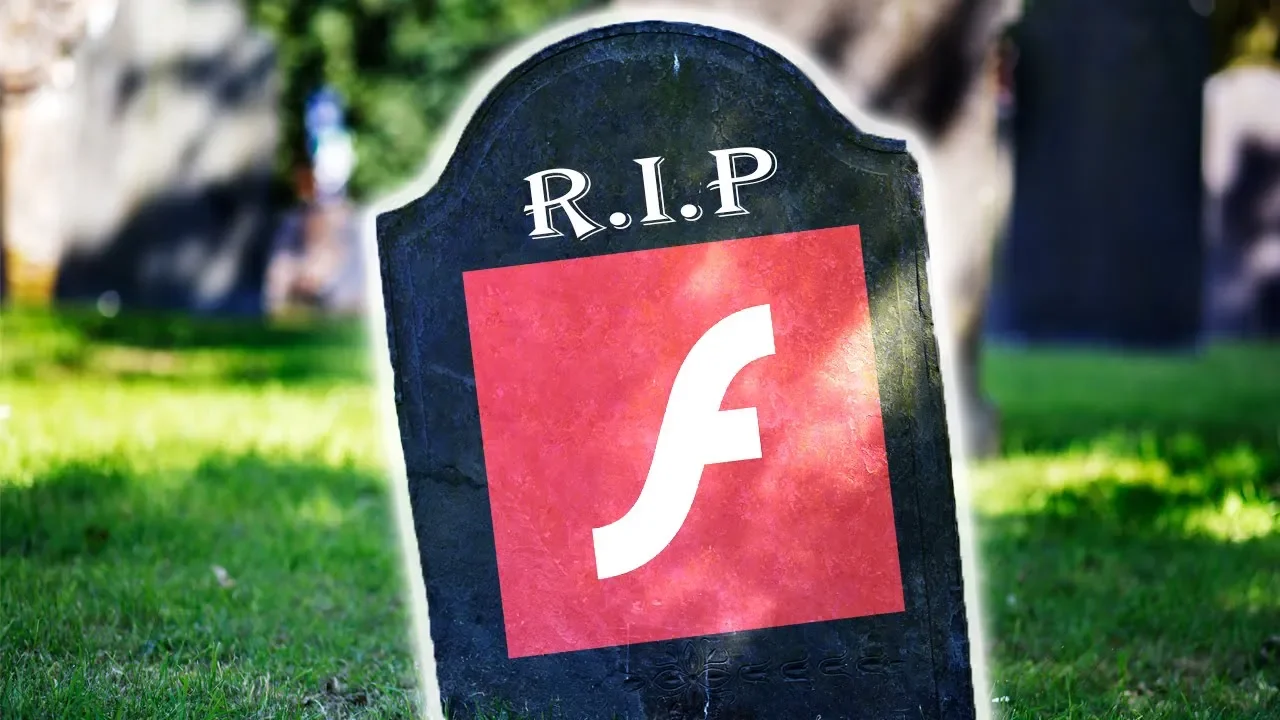
Why Is Adobe Flash Dying?
0 up · 0 down · 0 ratings
Promos
Sign up for Private Internet Access VPN at privateinternetaccess.com Adobe Flash was once a mainstay on the Web, but it's suddenly become far less common. What happened to it? Techquickie Merch Store: designbyhumans.com Techquickie Movie Poster: shop.crowdmade.com Follow: twitter.com Leave a reply with your requests for future episodes, or tweet them here: twitter.com Join the community: linustechtips.com Intro Theme: Showdown by F.O.O.L from Monstercat - Best of 2016 Video Link: youtube.com iTunes Download Link: itunes.apple.com Listen on Spotify: open.spotify.com
Flash rose to prominence in the 1990s as one of the few ways to add interactivity and animation to the web. Futuresplash, later acquired by Macromedia and then Adobe, brought vector graphics and animation to browsers, giving designers a tool that powered early interactive sites and even YouTube's early video library. Over time Flash gained a large footprint, enabling games and complex interfaces, but it also faced criticism for being proprietary, resource hungry, and difficult to secure. The first major turning point came with the iPhone era starting in 2007 when Apple refused to support Flash on iOS, highlighting concerns about battery life and performance on mobile devices. As open standards like HTML5, CSS, and improved video decoding matured, Flash’s advantages diminished while its drawbacks became more apparent. By 2010s, major platforms and developers shifted to open standards, and YouTube began moving away from Flash in 2015, signaling a broader industry trend. Even as support officially ends in 2020, Flash will not vanish completely, since some legacy sites persist and the animation industry still uses it in certain contexts such as TV production. The video frames this decline as a multi-factor evolution: better open standards, hardware-accelerated media, and ongoing security concerns, all of which erode Flash’s once-dominant role while acknowledging its lasting, albeit niche, impact on the web and media creation. In short, Flash died not from a single failure but from a combination of technical, strategic, and ecosystem shifts that favored open, efficient, and secure technologies.
Topics · technology history · internet evolution · web standards · digital media