USB Type-C: Explained!
0 up · 0 down · 0 ratings
Channels and socials
USB-C: The new industry standard for the next generation of devices. The new Macbook with USB-C: youtu.be The new Chromebook Pixel with USB-C: store.google.com Google on USB-C: youtu.be Video Gear I use: amzn.com Intro Track: Deadmau5 - Slow Down, Start Over ~ twitter.com google.com @MarquesBrownlee @MKBHD @MKBHD
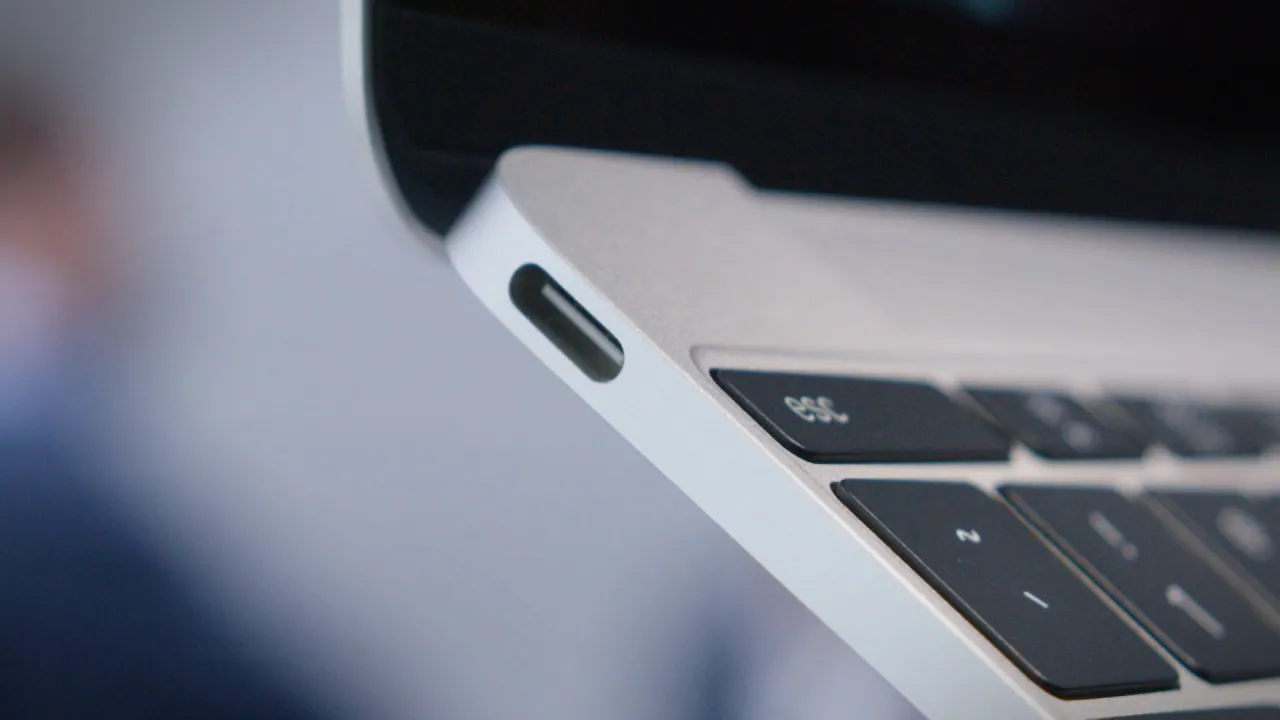
USB Type-C is presented as a universal, reversible, and highly capable port designed to simplify connections across devices. The video explains that USB-C, paired with USB 3.1, introduces a compact connector that is smaller and thinner than prior USB types, while delivering up to 100 watts of power and data speeds up to 10 gigabits per second. The host emphasizes key advantages such as the ability to power full size electronics, support for 4K displays, and backward compatibility with USB 3.0 and 2.0, all while offering a reversible plug-in orientation that eliminates the frustration of plugging in ports the wrong way. The discussion then projects a broad adoption path, starting with premium laptops and moving toward widespread use across tablets, smartphones, and future devices, aided by the availability of adapters in the short term and multiple ports on upcoming machines. The video also anchors expectations with real-world examples like the new MacBook and the Chromebook Pixel, highlighting how early devices adopt USB-C and how future iterations are likely to feature multiple USB-C ports on each device. The overall takeaway is a near-term shift toward USB-C becoming the standard port across the industry, with a single charger ecosystem envisioned for all electronics, making it easier to power and connect a diverse lineup of devices. The host closes by encouraging viewers to prepare for USB-C adoption by acquiring adapters while they’re affordable, hinting that the transition will accelerate in the near future.
Topics · technology · hardware · consumer electronics · trends
Questions answered
- What makes USB-C a universal standard according to the video?
- USB-C is described as universal because it is not proprietary, can be used across devices and brands, and supports USB 3.1 with high data speeds and power delivery, while being reversible and backward compatible with USB 3.0 and USB 2.0.
- What are the practical benefits of USB-C highlighted in the video?
- Benefits include a smaller, thinner connector, up to 100 watts of power delivery, data rates up to 10 Gbps, ability to run 4K displays and fast SSD interfaces, and the convenience of reversible plugging.