MicroLED - Will It Replace OLED?
0 up · 0 down · 0 ratings
Promos
The first 200 people who head to brilliant.org will get 20% off their annual premium subscription of Brilliant. Although OLED has been the most popular tech for high-end displays for some time, Apple and other giants are working hard on getting the new MicroLED to market - but why? Techquickie Merch Store: designbyhumans.com Techquickie Movie Poster: shop.crowdmade.com Follow: twitter.com Leave a reply with your requests for future episodes, or tweet them here: twitter.com Join the community: linustechtips.com Intro Theme: Showdown by F.O.O.L from Monstercat - Best of 2016 Video Link: youtube.com iTunes Download Link: itunes.apple.com Listen on Spotify: open.spotify.com
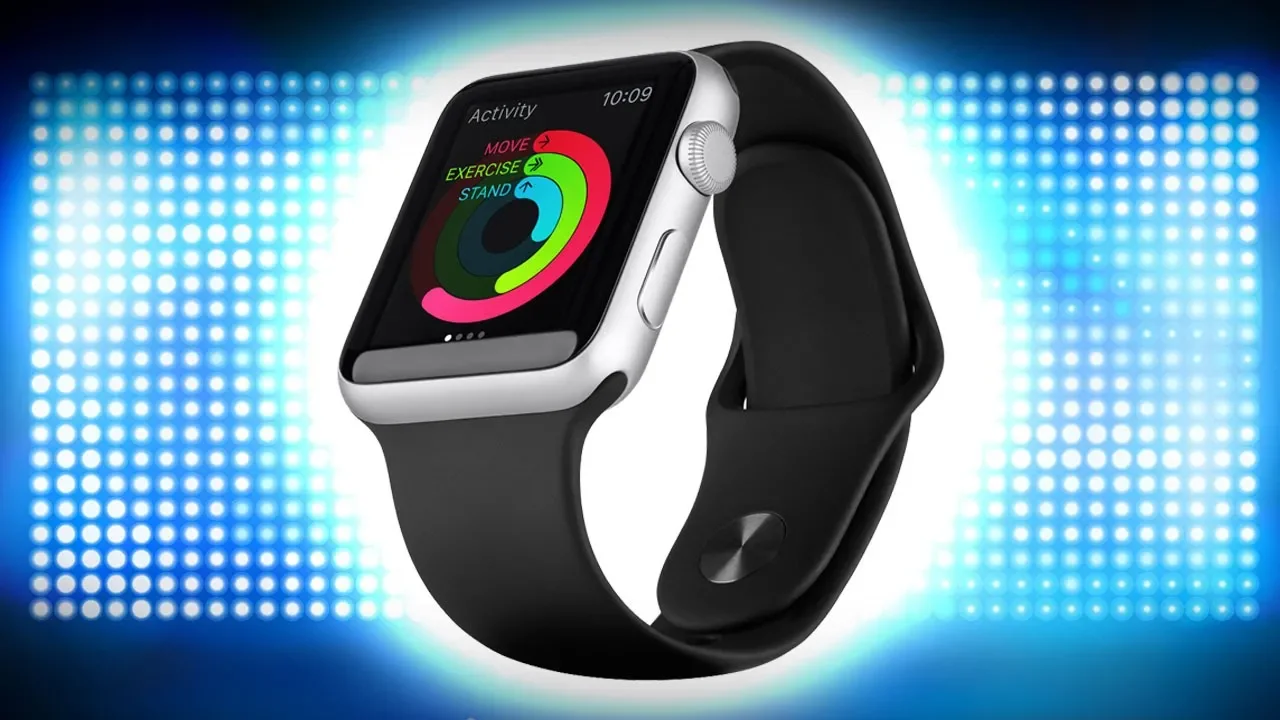
The video explains MicroLED and contrasts it with OLED, emphasizing how MicroLED uses inorganic gallium nitride materials that light up each subpixel, similar to OLED, but without the burn-in risk associated with organic compounds. It notes that MicroLED can achieve higher brightness and better power efficiency at given brightness levels, while also being potentially easier to manufacture in varied sizes and shapes, which could enable very large or modular displays such as Samsung’s 146-inch wall prototype. The presenter highlights Apple’s and other big tech attention to MicroLED research, suggesting early applications may start with small devices like the Apple Watch before scaling to larger panels. A central drawback is manufacturing complexity, since MicroLED panels must be assembled subpixel by subpixel, which slows production. The discussion also touches on the competitive landscape with LG and Samsung owning related patents and the possibility of breaking current size barriers that limit TV dimensions. Ultimately, the video frames MicroLED as a promising evolution that could reduce burn-in and deliver OLED-like image quality at higher brightness, while acknowledging that widespread consumer adoption will take time due to production challenges and cost. The closing remarks position MicroLED as a serious technology path for major manufacturers, implying that when scaled, it could redefine display design and usage across devices.
Topics · science and technology · consumer electronics · display technology
Questions answered
- What is MicroLED and how does it differ from OLED?
- MicroLED uses inorganic gallium nitride to emit light at the pixel level without a backlight, offering bright images and no burn-in risk, unlike OLED which uses organic materials that can degrade over time and suffer burn-in.
- Why is MicroLED not widely adopted yet?
- The main barrier is manufacturing complexity, as MicroLED panels must be built one subpixel at a time, making production slow and expensive, which delays mass-market availability.