0 up · 0 down · 0 ratings
Promos
5G is getting a lot of hype right now... so I had to see for myself! Get 75% off NordVPN! $2.99/mo, plus an additional month FREE at: nordvpn.com (Promo code MKVPN) MKBHD Merch: shop.mkbhd.com Video Gear I use: kit.com Tech I'm using right now: amazon.com Intro Track: Playlist of MKBHD Intro music: goo.gl ~ twitter.com @MKBHD @MKBHD
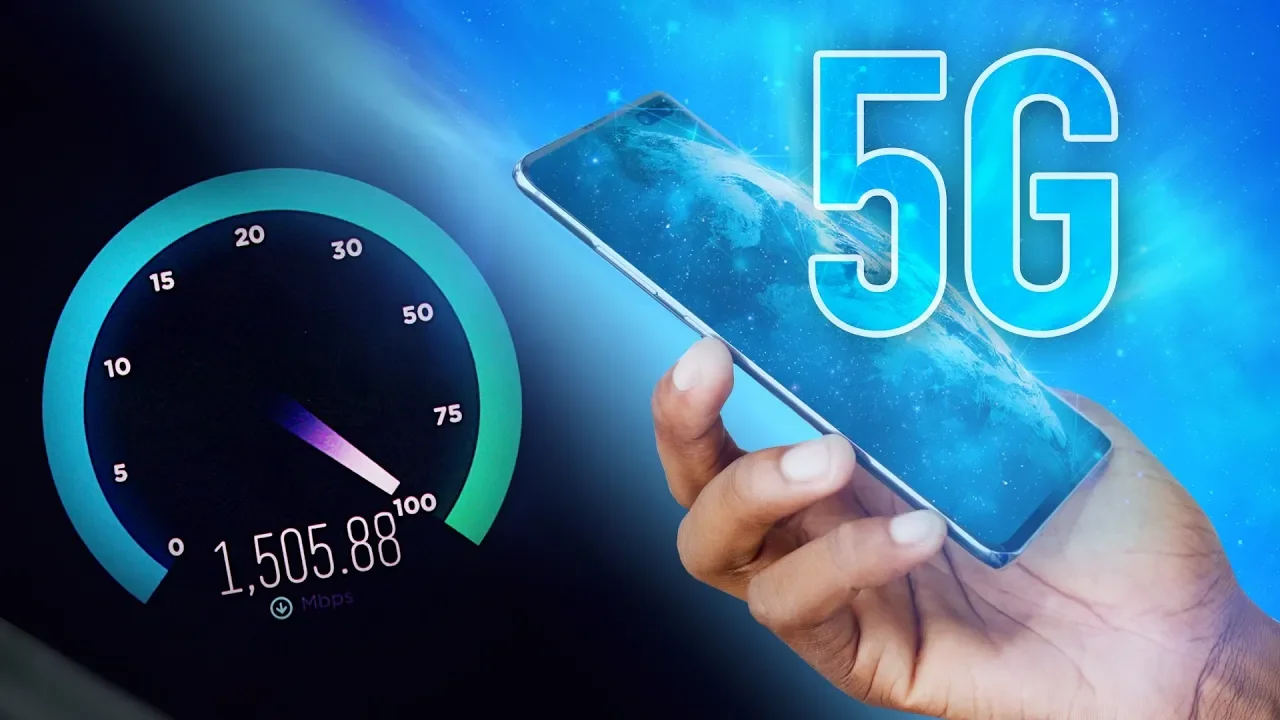
The video starts with Marques Brownlee describing his curiosity about 5G after seeing numerous hype filled videos. He explains what 5G is at a high level, highlighting that it represents the fifth generation of wireless networks and is built to be significantly faster and more capable than 4G. He mentions that to truly experience 5G you need a 5G capable device and a real 5G network, not mislabeled 5G like some carriers call 5GE. The host then introduces millimeter wave technology as the core of 5G, noting its high frequency and the tradeoff of shorter range. He explains that line of sight is crucial, with obstacles like trees and walls potentially blocking the signal, and even weather might affect performance. He also points out that in many cities 5G is still being expanded in a patchwork fashion, not a citywide rollout, which means coverage can be spotty. The narrative shifts to the testing setup in Providence Rhode Island, where he uses a Galaxy S10 5G on Verizon to test real world performance, showing that proximity to a 5G node yields extremely fast results, sometimes peaking near 2 Gbps. He emphasizes that the impressive speeds are most reliable with a direct line of sight and within a short distance of the node, after which performance rapidly degrades behind obstacles or as you move away from the tower. The video then catalogs practical implications of such speeds, like instant HD video streaming, dramatically faster app downloads, and near-instant content loading, while also noting downsides such as inconsistent handoffs between 5G and 4G, heat generation, battery drain, and limited upload capabilities. In the closing segments, he reflects on whether 5G is ready for prime time in 2019, concluding that while the technology is incredibly promising, it is not yet fully ready for widespread use and the cost and infrastructure challenges are substantial. He closes with a forward looking view on what 5G could enable in the future, including VR streaming, interconnected autonomous systems, and even remote surgery, while cautioning that significant hurdles remain before those scenarios are commonplace.
Topics · technology · wireless technologies · network infrastructure · consumer electronics
Questions answered
- What is 5G and why is it considered faster than 4G?
- 5G is the fifth generation of wireless networks and is designed to deliver higher speeds and greater capacity than 4G, enabling faster downloads, smoother streaming, and lower latency when the right infrastructure and devices are used.
- Why are millimeter waves a focus for 5G, and what limits do they have?
- Millimeter waves operate at very high frequencies which enable higher data rates, but they have shorter range and are easily obstructed by obstacles like walls and trees, requiring dense deployment of small cells to maintain coverage.
- What did the test in Providence reveal about real world 5G performance?
- The test showed extremely fast speeds near 1 Gbps to 2 Gbps with direct line of sight to a node, but performance dropped off quickly behind obstacles, with frequent shifts between 5G and 4G resulting in inconsistent speeds.