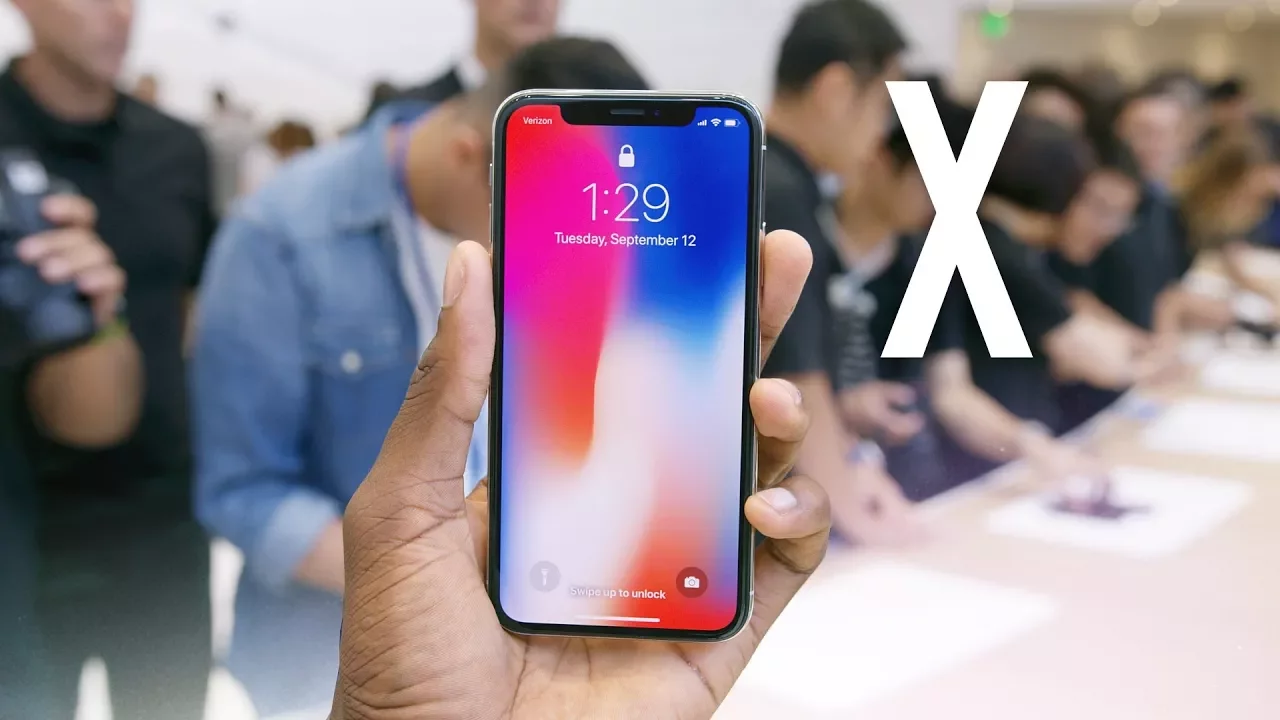
iPhone X Impressions & Hands On!
0 up · 0 down · 0 ratings
Channels and socials
iPhone X. AKA iPhone 10. AKA The New iPhone. In the flesh! The iPhone X prototype model: youtu.be Video Gear I use: kit.com Intro Track: Ongoing Thing by 20syl, Oddisee ~ twitter.com snapchat.com google.com @MKBHD @MKBHD
The video provides a thorough first look at Apple’s iPhone lineup announced at the event, starting with a quick nod to the other announcements such as Apple TV 4K and the new Apple Watch Series 3 before diving into the core focus, the iPhone 8, 8 Plus, and the standout iPhone X. The host contrasts the two conventional models with the premium X, noting the new glass back design for wireless charging and the A11 Bionic chip powering snappy performance. He highlights the large edge-to-edge 5.8 inch OLED display on the iPhone X and explains how the notch at the top is handled in practice, with UI elements adapting in apps to keep information visible, while still offering an immersive full-screen experience. The home button is replaced by gestures, with swipes for home, multitasking, notifications, control center, and search, and the display can wake with a touch, illustrating the shift toward gesture-based interactions. A key feature emphasized is Face ID, which replaces Touch ID, with the front sensors tasked to deliver secure facial recognition, though the host notes he’ll reserve final judgment until a full review. In camera talk, the iPhone X is shown with vertically oriented dual 12 MP cameras and optical stabilization, promising improved low-light and video quality. The host also discusses new portrait mode refinements, including lighting effects that can be adjusted after capture, and the front-facing camera portrait options, plus the new Animoji feature that animates emojis via front camera data. The video wraps up with final impressions, pricing around a grand, and a teaser for a full review and comparison ahead, inviting viewers to subscribe for follow-up content and share their own excitement for the iPhone X. Throughout, there is a clear emphasis on design evolution, display technology, biometric security, and enhanced camera capabilities as the differentiators for the iPhone X, while also acknowledging the 8 and 8 Plus as solid upgrades in their own right. The host conveys cautious optimism about Face ID and the gesture-based navigation, noting that first impressions can be refined with real-world use, especially in outdoor lighting and daily tasks. There is a sense of anticipation for how developers will optimize apps to take full advantage of the notch and immersive display, and a promise of deeper experimentation and detailed testing in future videos. Overall, the video serves as a detailed hands-on preview that blends visual demonstrations with practical explanations of what makes the iPhone X distinct, while situating it within the broader iPhone lineup and Apple’s ecosystem. The closing remarks invite audience interaction, teasing future coverage and encouraging discussion in the comments about who might be upgrading and why, signaling the start of ongoing coverage around the new devices.
Topics · technology · consumer_electronics · mobile_devices · product_reviews
Questions answered
- What are the key new features highlighted for the iPhone X in this hands-on, and how do they differ from the iPhone 8 and 8 Plus?
- The iPhone X brings a larger edge-to-edge 5.8 inch OLED display with a notch, gesture-based navigation instead of a home button, Face ID facial recognition replacing Touch ID, and dual rear cameras with optical stabilization plus enhanced portrait mode options, including effects that can be adjusted after capture. The iPhone 8 and 8 Plus remain traditional in design with a glass back for wireless charging and an updated A11 Bionic chip, offering improvements over the iPhone 7 family but without the edge-to-edge display or Face ID.
- What changes to the user interface are introduced with the iPhone X, and how does the notch affect app experience?
- Interaction shifts to gestural controls: home is accessed by swiping up from the bottom, multitasking by swiping up halfway, and other actions via swipes from the top corners or middle of the screen. The notch is designed to be context-aware, with status icons adjusting color to contrast with the app background, and some apps going full-screen to minimize the notch presence, aiming for a more immersive experience.