Nerd Rage - The Dark Side of Benchmarking Linus Tech Tips
0 up · 0 down · 0 ratings
Description
GRRRR.
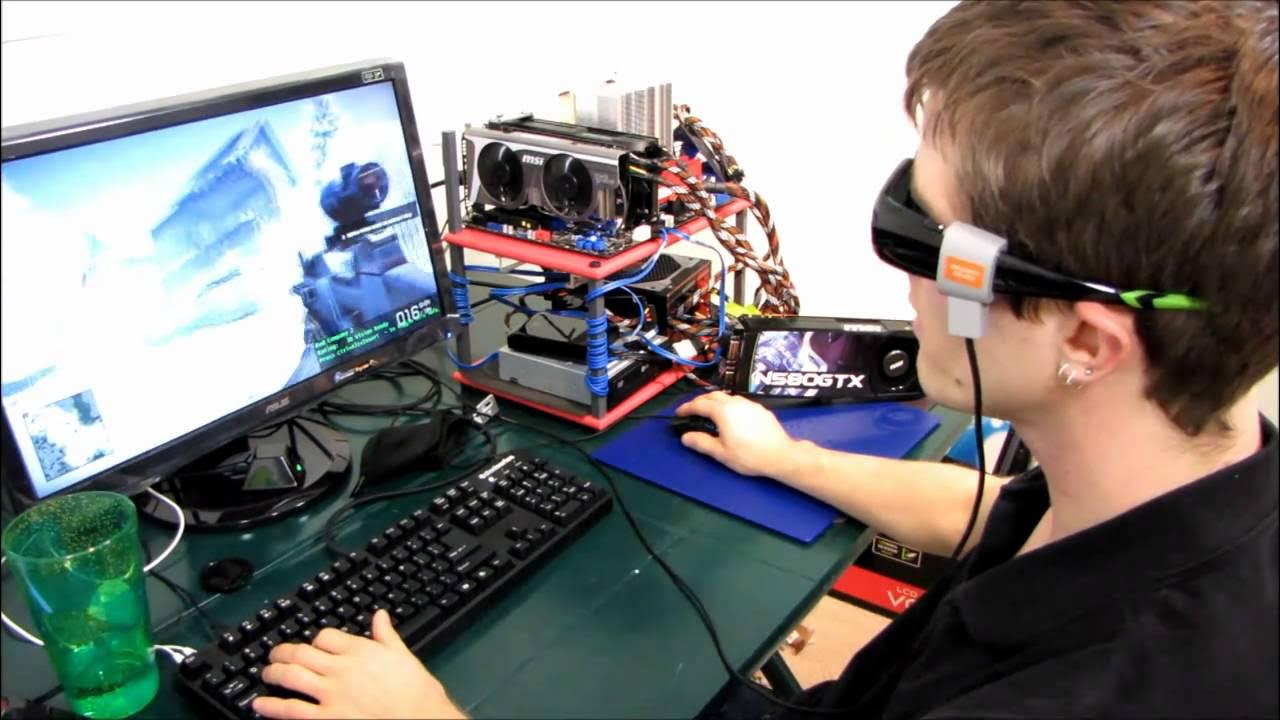
This 47 second video, titled Nerd Rage - The Dark Side of Benchmarking Linus Tech Tips, centers on the challenges of running stereoscopic 3D Vision benchmarks in a PC setup. The host notes that 3D vision makes benchmarking substantially more demanding, pushing frame rates down to around 20 FPS, which is far from optimal but still workable. He explains that although two physical GPUs are installed, the current configuration runs on a single GPU, highlighting the practical limitations of multi-GPU setups under certain driver configurations. The segment underscores the tension between maintaining visual fidelity and achieving smooth performance, with the presenter promising to reveal full benchmarking results shortly. The tone is light but pointed, using the idea of “nerd rage” to frame the frustrations that can accompany high-demand tests, while still keeping the process informative for viewers interested in hardware performance. Overall the video blends hardware benchmarking insight with a humorous, self-aware critique of the spectacle around PC hardware testing, suggesting that real-world results often involve trade-offs between image quality, framerate, and system configuration.
Topics · technology · hardware · entertainment
Questions answered
- What is the main topic discussed in Nerd Rage - The Dark Side of Benchmarking Linus Tech Tips?
- The video discusses the challenges and frustrations involved in benchmarking PC hardware, specifically when using stereoscopic 3D Vision, and highlights how such setups can degrade performance while illustrating the presenter’s reaction to those constraints.
- Why does the host mention running a single GPU despite two GPUs being installed?
- The host notes that although two physical GPUs are in the system, the benchmark is configured to run on a single GPU due to driver configurations, illustrating how software settings can limit multi-GPU utilization during tests.