Real Life Things That Feel Like They’re From Black Mirror
0 up · 0 down · 0 ratings
Channels and socials
What should we react to? Tell us here: forms.gle : Order food NOW at: eatsides.com : Access exclusive content at: sideplus.com : XIX Vodka: xixvodka.com : Subscribe to our Reacts Channel: youtube.com
: Sidemen Clothing: sidemenclothing.com Subscribe to our 2nd Channel: youtube.com : Sidemen Instagram: @Sidemen : Sidemen Twitter: twitter.com #SidemenReacts #Reacts
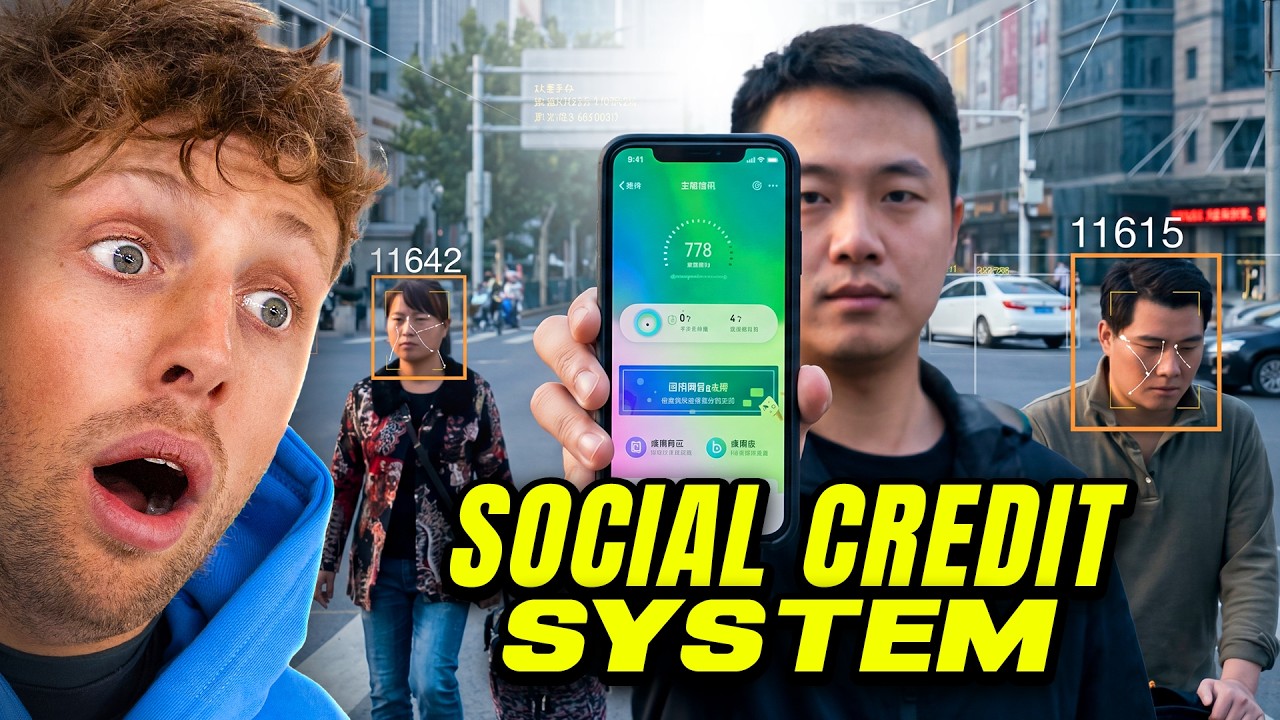
The video dives into a series of real world technologies and social trends that feel like they could be lifted from a Black Mirror episode. It kicks off by examining an controversial app that recreates long-dead loved ones as AI personas, prompting the hosts to debate whether such replicas offer genuine comfort or prolong grief in unhealthy ways. They discuss the limitations and ethical tensions of inputting memories, shaping personalities, and the risk of blurring the line between genuine remembrance and digital manipulation. As the discussion widens, the hosts survey a range of surveillance and social credit ideas, including facial recognition tied to a public scoring system that can determine access to goods and services, highlighting how small actions online or offline could impact personal freedoms. They then pivot to more extreme tech concepts such as a VR headset that could kill a player if they die in the game, a hypothetical digital twin of a small nation like Tuvalu, and the ethics of synthetic embryos grown for organs, all framed as warnings about what future innovations might entail if unchecked. The middle segment of the video focuses on the idea of digital and synthetic realities that feel dangerously close to present capabilities. They discuss the metaverse as a three-dimensional online space and Tuvalu’s plan to host a digital twin in that virtual environment, raising questions about the fate of physical space and cultural heritage when islands sink and borders blur. The hosts tease biotech breakthroughs such as lab-grown neurons forming a functional brain-on-a-chip capable of learning tasks, and the possibility of growing donor organs from synthetic embryos, which prompts a lively ethical debate about when life begins and what constitutes personhood. They also cover a wearable AI pendant that offers encouragement and advice, emphasizing how such devices could shape daily decision-making and social interaction, even as users question the accuracy and depth of these AI judgments. Throughout, the conversation toggles between awe at scientific progress and unease at the potential for these technologies to erode privacy, autonomy, and human dignity. In the closing segment, the hosts reflect on the broader implications of these developments for society, drawing connections to existing media portrayals like Black Mirror and stressing the importance of safeguarding privacy and human values. They contrast the allure of convenience and clever design with the potential for surveillance, coercive social scoring, and unintended consequences. The discussion ends with a call for critical thinking and public dialogue about ethics, governance, and accountability in research and product design, reinforcing the central theme that innovation should be matched with responsibility. The episode remains thoughtful and accessible, inviting viewers to consider not only what is technically possible, but what kind of future we want to choose.
Topics · technology · science · ethics · privacy · society · biotech · virtual reality