I Built a Working PC using only Broken Parts
0 up · 0 down · 0 ratings
Description
Grab an exclusive LTT edition Carpio 2.0 wrist rest at: go.deltahub.io
Promos
Check out the MSI PRO Z890-S WIFI PZ at lmg.gg Building a PC with only broken parts... what could go wrong? Alex and the team gamble $2,600 on non-working CPUs, GPUs, RAM, motherboards, SSDs, and coolers to see if they can resurrect enough pieces to build functioning gaming computers. Was it worth it? Discuss on the forum: linustechtips.com Make your own Necrobuild with broken parts from eBay: ebay.us Buy used PC parts from a reliable source at Jawa: lmg.gg ► GET OUR MERCH: lttstore.com ► GET EXCLUSIVE CONTENT ON FLOATPLANE: lmg.gg ► GET A VPN: piavpn.com ► SPONSORS, AFFILIATES, AND PARTNERS: lmg.gg Purchases made through some store links may provide some compensation to Linus Media Group. CHAPTERS --------------------------------------------------- 0:00 Intro 0:47 Sponsor 1:23 Adam - Picking Components 8:15 Adam - Initial Tests 10:18 Dan - More Motherboards and CPUs 18:12 Jordan - RAM and GPU Resurrection 23:45 Elijah - Cooler Madness and Final Fixes 26:29 Assembled Builds and Conclusion 28:49 Sponsor 29:46 Credits
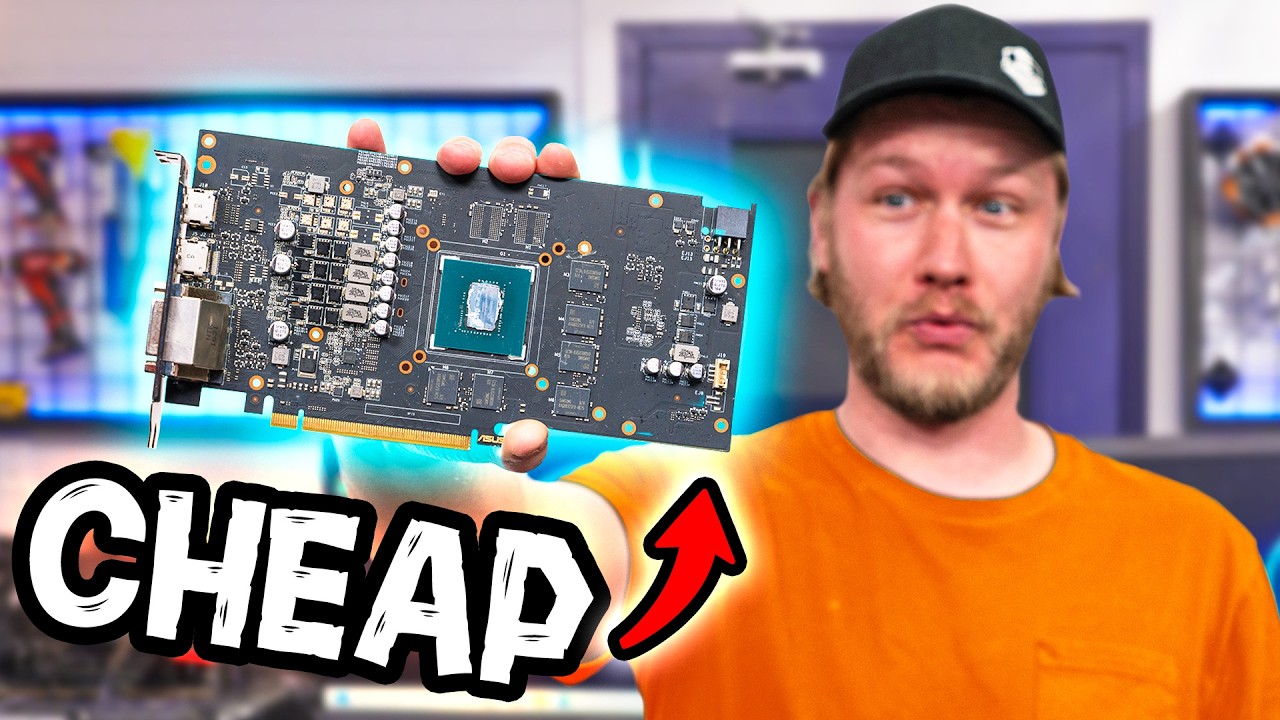
The video opens with a bold premise: building a functioning PC entirely from broken parts bought on the used market. The presenters frame the challenge as a race against e-waste and the rising cost of components, explaining that they will gamble $2,600 on CPUs, GPUs, RAM, motherboards, SSDs, and coolers that are not working to see how many usable pieces they can resurrect. Early on, they discuss the crucial decision between LGA and PGA sockets, ultimately selecting LGA 1700 due to the availability of dead Intel CPUs on eBay, while noting suspicious signs on some boards that hint at prior mishandling or damage. This section establishes the high-stakes, experimental tone and sets up the plan to repair or repurpose as many parts as possible. The team proceeds to component selection, focusing on CPUs with potential to post or be revived, and they weigh the risks of using allegedly dead RAM and the reliability of various GPUs. They identify a mix of candidates with different wear states, including a notably damaged motherboard with bent pins and a BIOS situation that may or may not allow booting. Throughout, the narrative underscores the iterative nature of the project, with trial, error, and improvisation as central themes. They also discuss the expected outcomes, such as the hope of two or more working PCs from the batch, and acknowledge the possibility that some parts will fail entirely. Testing and repairs become the core activity. The team conducts on-bench testing for memory sticks, CPUs, GPUs, and motherboards, often revealing surprising recoveries and occasional failures. They encounter mold, corrosion, and mechanical damage that complicate repairs, and they improvise fixes, like bending or re-seating pins, reseating cooling solutions, and attempting BIOS flashes. A pivotal moment occurs when a motherboard with a damaged pin finally boots, confirming that partial salvage is possible even when some components are beyond straightforward repair. The group emphasizes that not every broken part is worth reviving, but a substantial portion proves usable and provides tangible savings and performance for the revived builds. A major portion of the video documents GPU salvage attempts, including attempting BIOS flashes and soldering where necessary. They salvage a Radeon RX 6800 XT and a RTX 3070 but struggle to bring both to full functionality, concluding that only a subset of GPUs can be resurrected from the batch. The SSDs, storage devices, and cooling options also receive attention, with several drives proving functional or salvageable and some cooling solutions being repurposed or jury-rigged to work in the builds. By the end, two fully functioning Necro PCs emerge, each powered by a mix of repaired parts. The hosts reflect on the overall economics and practicality, acknowledging that while some parts came back to life, others did not, and they offer pragmatic, cautionary takeaways about buying broken hardware. The video concludes with a cost-and-performance assessment. They estimate the total value of repaired components at around $3,345, surpassing the initial $2,600 investment, and report an overall success rate of about 53.3 percent. The exercise highlights the surprising viability of reanimating many dead elements and reaffirms the potential of the used market to deliver surprising value when approached with skill and caution. They also present practical recommendations for viewers considering similar experiments, such as stress testing and not relying on broken parts for long-term reliability. The closing seconds pivot to a sponsor segment about ergonomic accessories, reinforcing the blend of practical curiosity, maker culture, and sponsored content that characterizes the channel. The final takeaway is nuanced: while buying broken parts can pay off in some cases, it remains a risky gamble that should be approached with careful testing and clear expectations.
Topics · science and technology · DIY hardware · budget computing · e-waste reduction · hardware repair · pc building
Questions answered
- What was the total budget for the broken parts challenge and did they stay within it?
- The team allocated $2,600 for the broken parts challenge and ultimately repaired components valued at about $3,345, exceeding the initial budget but still within a framework of calculated risk and value.
- Which component turned out to be most reliably salvageable?
- RAM and power supplies showed relatively high salvage reliability in this run, with several sticks and supplies working after testing, contributing to the overall success rate.