The Rich Are Getting Richer - What Can We Do About It? T.Y.T with David Shuster
0 up · 0 down · 0 ratings
Channels and socials
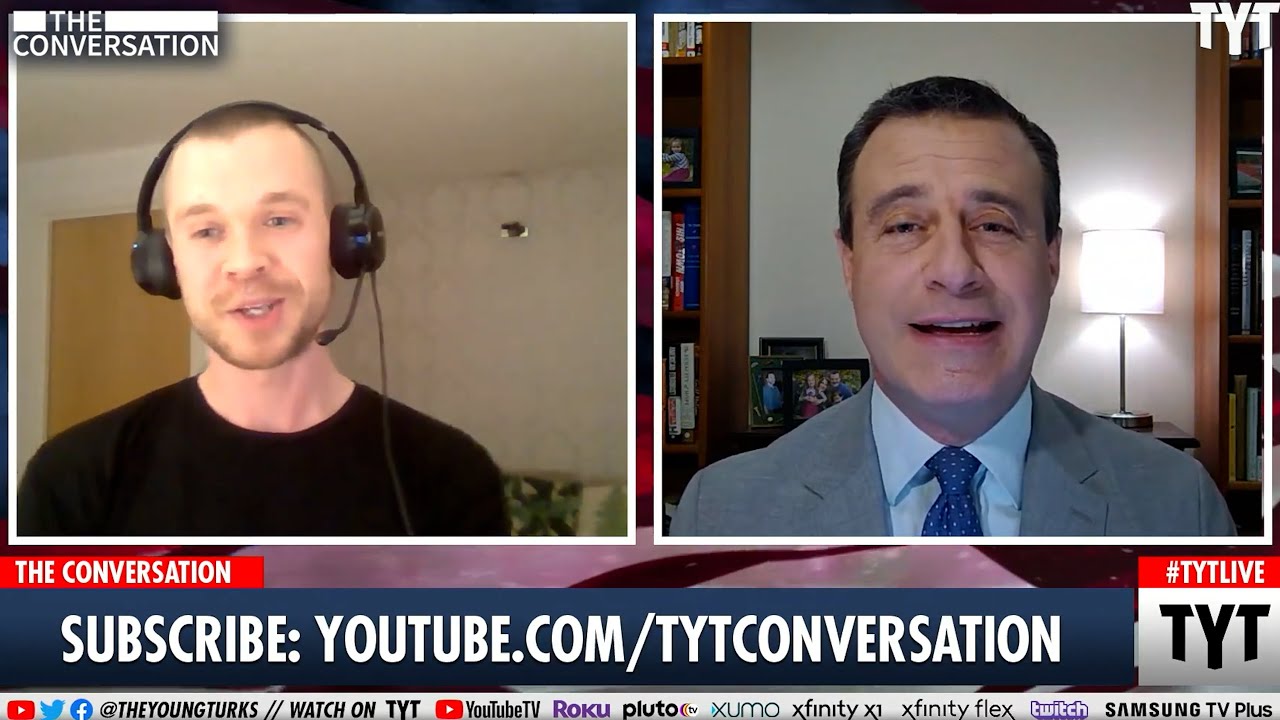
Gary Does his first American Media Interview, with Cenk Uygur from The Yound Turks! They talk about the growing concerns about wealth inequality and the plausibility of a wealth tax. Broadcast 28/04/2022 & uploaded with permission from The Young Turks The Largest Online News Show in the World. Hosted by Cenk Uygur and Ana Kasparian. LIVE STREAMING weekdays 6-8pm ET. tyt.com TYT on Twitter: twitter.com SUBSCRIBE, SHARE & START A CONVERSATION SOCIAL MEDIA: WEBSITE - wealtheconomics.org TWITTER - @garyseconomics FACEBOOK - @garyseconomics INSTAGRAM - @garyseconomics Spoken by Gary Stevenson GARYSECONOMICS Spoken by Cenk Uygur TYT - The Conversation Uploaded by Simran Mohan MOHAN MEDIA
The video presents a detailed discussion about wealth inequality, its causes, and possible policy responses in the United States, anchored by Gary Stevenson, an inequality economist, and moderated by David Shuster and TYT hosts. The opening segment places global concerns about the wealth gap in context, emphasizing that wealth concentration is not limited to the U.S. but is a worldwide issue. Stevenson argues that COVID relief measures, while helping some, disproportionately benefited the rich because non-discretionary expenses for ordinary people persisted while luxury spending by the wealthy declined, causing cash piles to accumulate in rich households. He then explains how a $4 trillion government stimulus during the pandemic effectively shifted money away from the broader economy into the reserves of the wealthiest Americans, creating what he describes as the largest and quickest transfer of wealth in U.S. history, and he cautions that this has contributed to rising living costs for ordinary people. The discussion moves to potential remedies, including wealth taxes and targeted taxes on the ultra-rich, with Stevenson asserting that any policy must be well designed to specifically hit the wealthiest while avoiding excessive burden on the middle class. He also reflects on broader implications such as housing prices, inflation, and the stability of the economy if the wealth transfer remains unchecked, warning that postponing reform could lead to an ongoing decline in living standards for ordinary people. The conversation closes with an outline of a practical policy approach, stressing the need to access the trillions held by the wealthiest and to analyze where stimulus money ends up, together with a call for political accountability and reform in tax design to avert an economic disaster.
Topics · economy · policy · finance · politics · news & politics · inequality · taxation
Questions answered
- What is the central claim about the COVID-19 stimulus and wealth inequality?
- The central claim is that the COVID-19 stimulus, totaling about $4 trillion, largely transferred wealth to the richest Americans, increasing wealth inequality and potentially fueling higher inflation and a higher cost of living for ordinary people.
- What policy solution is advocated to address wealth concentration?
- The advocate supports a wealth tax aimed at the ultra-rich, with a focus on well designed policies that ensure the richest bear the burden, rather than broad penalties on the middle class.
- What are the potential risks if no action is taken according to the interview?
- If no action is taken, the wealth gap could widen further, leading to sustained higher living costs for ordinary people and an economic environment prone to instability or a crisis.