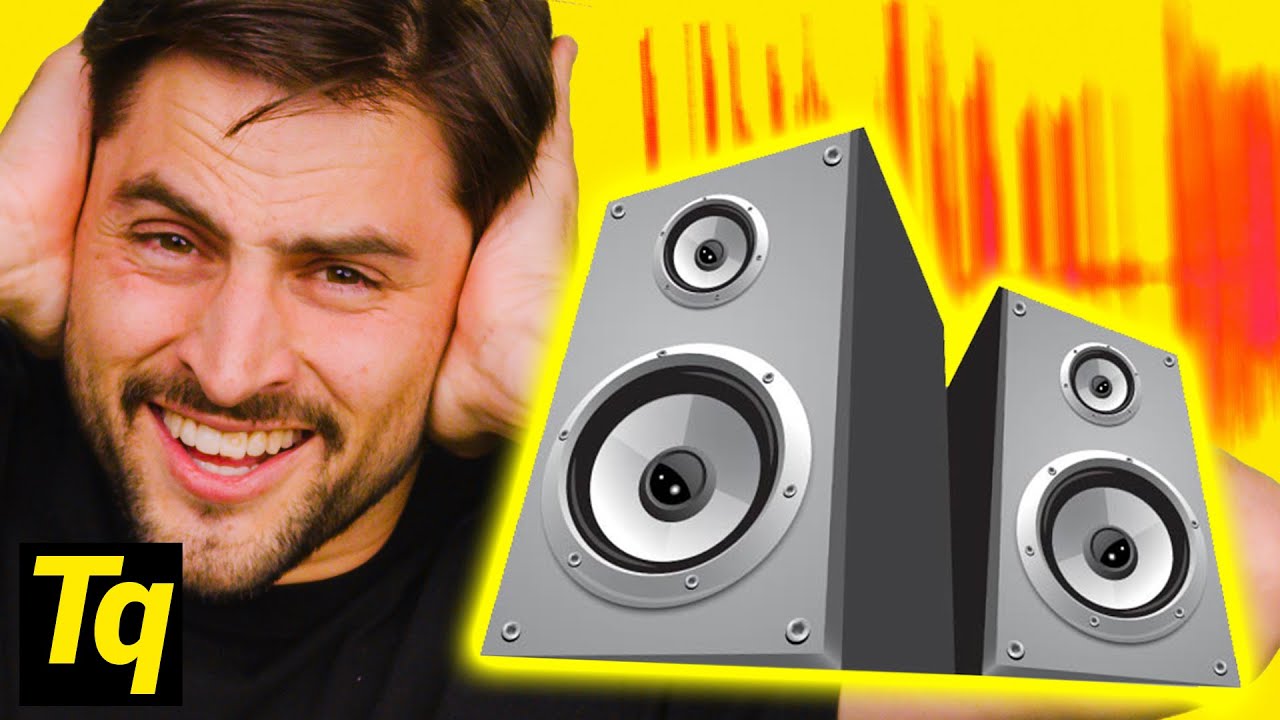
Why Loud Audio SUCKS - Clipping Explained
0 up · 0 down · 0 ratings
Promos
Play World of Tanks for free at tanks.ly New players will receive 500 gold, 7 days premium time, and a T-127 by using the code TANKTASTIC. Thanks to Wargaming for sponsoring this video. Loud music can damage your hearing, but it can also be bad for sound quality and the speakers themselves because of something called clipping. Buy Cyberacoustics Speaker On Amazon (PAID LINK): geni.us On Newegg (PAID LINK): geni.us Buy Headphone Amp On Amazon (PAID LINK): geni.us On Newegg (PAID LINK): geni.us Buy Apple AirPods On Amazon (PAID LINK): geni.us On Newegg (PAID LINK): geni.us On B&H (PAID LINK): geni.us Leave a reply with your requests for future episodes, or tweet them here: twitter.com GET MERCH: lttstore.com SUPPORT US ON FLOATPLANE: floatplane.com LTX EXPO: ltxexpo.com AFFILIATES & REFERRALS --------------------------------------------------- Affiliates, Sponsors & Referrals: lmg.gg Get Private Internet Access VPN at lmg.gg Get a Displate Metal Print at lmg.gg Support a Creator code LINUSMEDIAGROUP on Epic Games Store: lmg.gg Get a 30-day free trial of Amazon Prime at lmg.gg Our Test Benches on Amazon: lmg.gg Our Production Gear: lmg.gg FOLLOW US ELSEWHERE --------------------------------------------------- Twitter: twitter.com Facebook: @LinusTech Instagram: @linustech Twitch: twitch.tv FOLLOW OUR OTHER CHANNELS --------------------------------------------------- Linus Tech Tips: lmg.gg TechLinked: lmg.gg ShortCircuit: lmg.gg LMG Clips: lmg.gg Channel Super Fun: lmg.gg Carpool Critics: lmg.gg
This video explains why loud audio can sound distorted and even damage speakers, introducing the concept of clipping. It starts by noting that turning up volume can cause crackling when the amplifier cannot supply enough power for the loud portions of a track. The host then describes how speakers work, with amplifiers delivering voltage to speaker drivers to make them move and produce sound, and why real-world power supplies in common devices limit how loudly they can perform. The explanation emphasizes that louder sounds such as heavy drums, forceful singing, or banging cymbals require more energy, and when the amplifier’s power supply is insufficient, clipping occurs. This clipping is visible on an oscilloscope as flat-topped waveforms, resulting in distortions and crackling because the signal cannot be amplified faithfully. The discussion also covers potential damage, noting that high frequency energy can stress the tweeters, and some speakers include limiting circuits to guard against clipping. Finally, practical tips are given: simply lowering volume, matching speakers and amplifiers by impedance and power, and using test tones with an oscilloscope to dial in a safe, maximum listening level. The segment concludes with a reminder that while AirPods can be convenient, they should not be played loudly either, and it briefly transitions to a sponsor segment and plugs for related gear and the World of Tanks sponsorship.
Topics · audio_engineering · acoustics · electronics · sound · amplification
Questions answered
- What causes clipping in audio playback?
- Clipping happens when the amplifier cannot supply enough power for the loud portions of the audio signal, causing the waveform peaks to be cut off and resulting in distortion.
- How can you prevent clipping without damaging speakers?
- Turn down the volume to keep the amplifier within its power capability, ensure speakers and amplifiers are matched in impedance and power, and use test tones with an oscilloscope to set a safe maximum level.