Whole Room Water Cooling Project - Day 1
0 up · 0 down · 0 ratings
Channels and socials
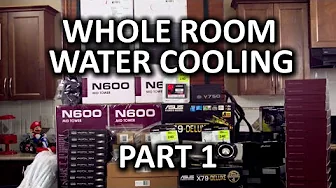
I came up with a bit of a crazy idea... Water cooling a room full of editing workstations on a single loop and removing the heat from the room by placing the radiators outside. Here is part one of this adventure... Sponsor link: linustechtips.com Pricing & discussion: linustechtips.com Support us: linustechtips.com Join our community forum: bit.ly twitter.com @LinusTech Intro Screen Music Credit: Adhesive Wombat -
Check out his channel here: youtube.com Outro Screen Music Credit: Approaching Nirvana - Sugar High youtube.com Title: Grant Bowtie - Clockwork Video Link: youtube.com Beatport Download Link: beatport.com Label Channel: youtube.com Title: Kevin Villecco & Sushi Killer - Anime Bae Video Link: youtube.com Label Channel: youtube.com Approaching Nirvana - Virtual Is Where We Live (feat. TryHardNinja) youtube.com
Whole Room Water Cooling Project Day 1 documents Linus Tech Tips embarking on an ambitious cooling experiment by liquid cooling five editing workstations on a single loop and exhausting the heat outside the building through a massive radiator. The video outlines the core idea: not only to keep the machines cooler but to reduce the heat load in the workspace itself, turning the room into a more comfortable and productive environment. Early on, the team discusses the motivation, including Edsel’s overheating six-core system and the desire to upgrade the room climate, while weighing the benefits of a room-scale cooling approach versus a simpler AC solution. As preparations unfold, the crew faces a range of logistical and practical hurdles such as painting the room to Linus Tech Tips gray, coordinating a large hardware teardown, and planning the water tubing and radiator layout. The narration highlights how the plan evolved from a smaller liquid cooling project into a broader workspace transformation, with an emphasis on collaboration and parallel work streams to manage the lengthy assembly. The team emphasizes that this is Day 1, focusing on framing the project, tackling painting, and laying the groundwork for mounting radiators outside the case, all while managing time constraints and misalignments in equipment specs. The tone blends excitement and candid commentary on the challenges of working at scale, setting the stage for deeper system assembly and performance testing in subsequent installments. As the episode progresses, viewers see the team confronting real-world project frictions, including miscommunications about timelines, the need to repurpose or expand existing hardware, and the surprising amount of physical labor required, such as drilling holes for radiator fittings. The narrative is explicit about the scope of the build, contrasting the initial intention of a small liquid cooling setup with the more complex goal of cooling an entire room and moving heat outdoors. Throughout, the video emphasizes practical problem-solving, from finding ways to parallelize the workflow to training newer participants in specialized tasks like mounting GPU water blocks and wiring quick-disconnects. By the end of Day 1, the team has made tangible progress on the painting and prepped the hardware for assembly, while acknowledging the ongoing challenges and the sense that the project is big but ultimately achievable with coordinated effort and continued iteration.
Topics · hardware · technology · maker · diy · science_and_technology
Questions answered
- What is the main goal of the Day 1 build in Whole Room Water Cooling Project
- The main goal is to cool five editing workstations on a single loop and exhaust the heat outside the building to reduce the room temperature and improve comfort and performance.
- What were some early challenges faced during Day 1
- Challenges included misaligned radiator fittings, painting the room, coordinating a large hardware teardown, and the need to drill holes for radiators before assembly could proceed.