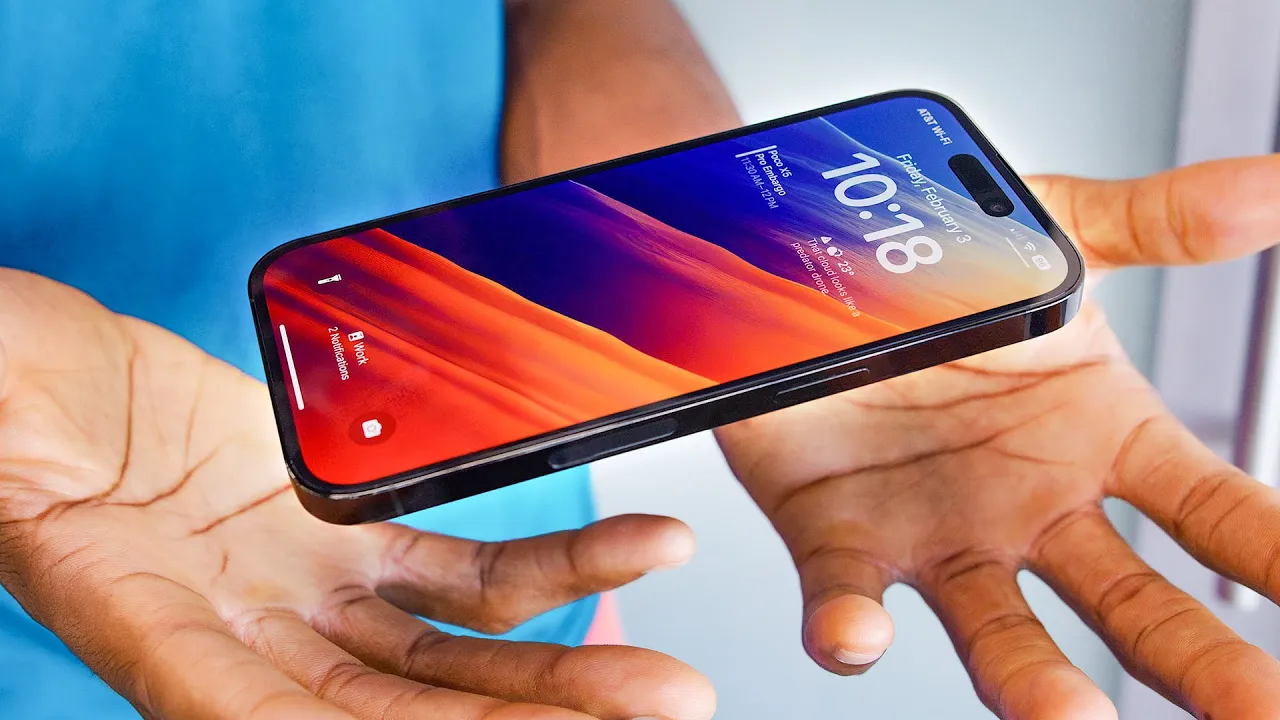
How Apple is Taking Back the iPhone
0 up · 0 down · 0 ratings
Channels and socials
The evolution of the iPhone through integration is real. That shirt: shop.mkbhd.com The two headlines Apple making their own screens: bloomberg.com Apple making their own Cellular, Wifi, Bluetooth chip: theverge.com Tech I'm using right now: amazon.com Playlist of MKBHD Intro music: goo.gl ~ twitter.com @MKBHD @MKBHD
In this analysis, the video explores two intertwined stories about Apple potentially taking more control over its iPhone components: the move to in-house chips and the shift toward custom displays. The host frames these rumors within a broader context of vertical integration, explaining how Apple has historically mixed off-the-shelf parts with a few highly customized components, such as the A-series silicon and specialized Taptic Engine, to optimize performance. He draws a parallel to the Mac transition from Intel to Apple Silicon, arguing that the iPhone could see parallel gains in efficiency, battery life, and overall product quality if Apple truly designs more of the stack in-house. The discussion then shifts to displays, noting that the majority of iPhone OLED panels are currently supplied by Samsung with smaller shares from LG Display and others, and explaining how Apple could gradually shift to more integrated, possibly microLED, display solutions. The speaker emphasizes that sourcing complexity and supplier relationships are central to Apple’s strategy, and that diversified sourcing has historically helped reduce risk while still delivering consistent user experiences. The video further explains the potential implications for radios and connectivity, including the idea of consolidating Wi-Fi, Bluetooth, and cellular into a single custom chip, which could improve power efficiency and device performance. The host concludes that these moves would give Apple greater control and unlock long-term product improvements, while also acknowledging the potential disruption for suppliers like Qualcomm and Broadcom and the broader competitive landscape, where rivals might follow suit with their own in-house developments. Overall, the video positions Apple’s rumored in-house efforts as a strategic, cash-intensive bet on future product superiority and supply chain resilience, with visible impacts likely to unfold across multiple product generations. The discussion ends with optimism about miniLED or microLED adoption and the possibility of stronger, more integrated designs in the next wave of Apple devices, while noting that successful execution will determine the magnitude of benefits for consumers and the market.
Topics · technology · business_strategy · manufacturing · consumer_electronics
Questions answered
- What are the two main areas where Apple might take more control over the iPhone design?
- The two main areas are custom in-house chip design, potentially consolidating radios into a single chip, and the move toward more customized displays, possibly microLED.