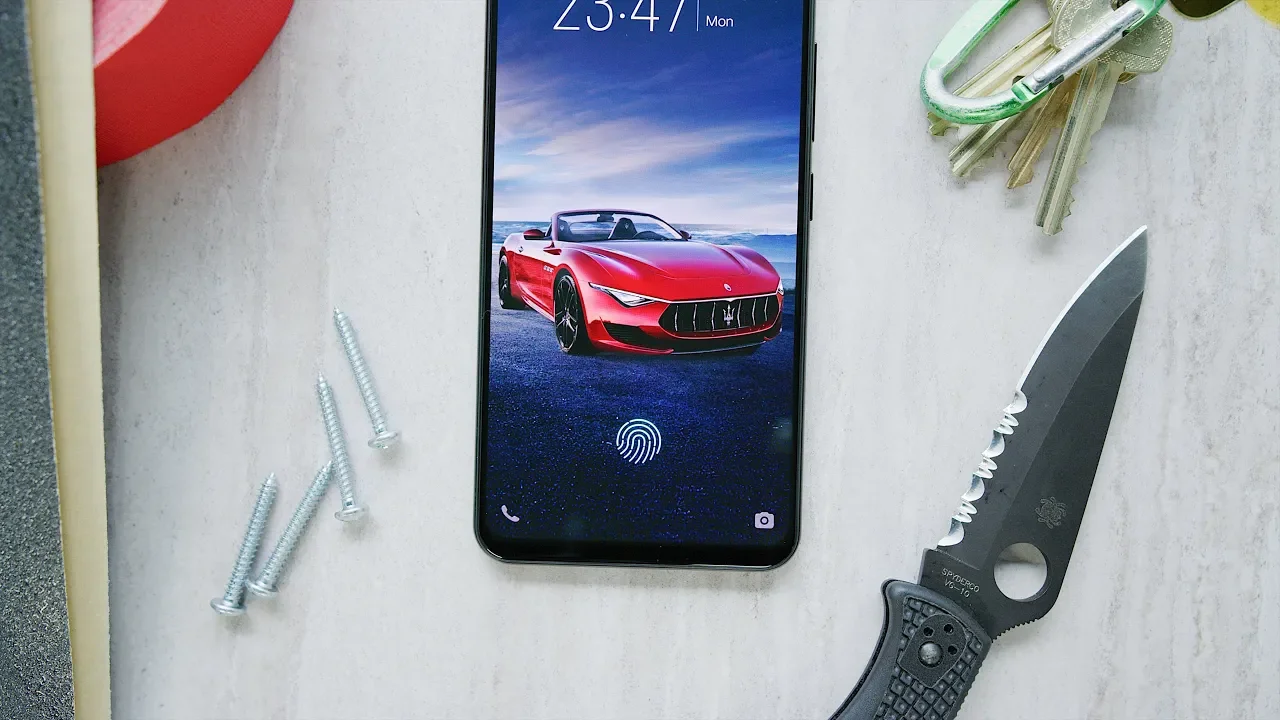
In-Glass Fingerprint Sensor: Testing the limits!
0 up · 0 down · 0 ratings
Promos
Scratches. Liquids. Shattered glass... How does the in-glass fingerprint reader hold up to a stress test? The original video: youtu.be MKBHD Merch: shop.mkbhd.com Video Gear I use: kit.com Tech I'm using right now: amazon.com Intro Track: Paradise - Lost by Alltta ~ twitter.com snapchat.com google.com @MKBHD @MKBHD Phone provided by Vivo for video.
The video examines the viability of an in-glass fingerprint sensor as used in bezel-less smartphones, focusing on its behavior under various real-world conditions. After a brief refresher on how the under-glass optical sensor operates, the host registers two fingerprints and demonstrates typical unlock interactions, noting the system’s performance when fingers are dry and when moisture or light contamination occurs. The test sequence explores practical drawbacks such as water, saucy fingers, and the presence of screen protectors, revealing that water and light debris can hinder reading while a clean finger generally unlocks with patience and reattempts. The host then shifts to more provocative scenarios, including using dry chips to simulate dust and even applying different screen protectors, including tempered glass and privacy shields, to assess whether the sensor can still function through obstructed views. The results are mixed but encouraging: the sensor often unlocks with a little adjustment, even when the glass is partially covered or scratched, suggesting a path forward for future implementations. The video concludes with reflections on how the technology might mature, drawing analogies to the early days of fingerprint readers and expressing optimism about eventual adoption in flagship devices. The overall takeaway is that while the current generation shows middle-of-the-road performance, ongoing improvements could make under-glass fingerprint sensing a standard feature in next-generation smartphones. The presenter emphasizes that durability and real-world usage will continue to be key determinants for widespread adoption.
Topics · technology · hardware · smartphones · durability · testing
Questions answered
- What types of conditions were tested to assess under-glass fingerprint sensor performance?
- Tests included dry fingers, wet fingers, saucy or dirty fingers, screen protectors (tempered glass and privacy shields), cracked screen protectors, and simulated wear with scratches to gauge how these conditions affect unlocking accuracy.
- Do screen protectors interfere with the sensor, and which types were tested?
- Yes in some cases; both a standard tempered glass protector and a privacy shield were tested. The standard protector did not obstruct the sensor significantly, while the privacy shield could distort the optics, though it still worked after a few attempts.