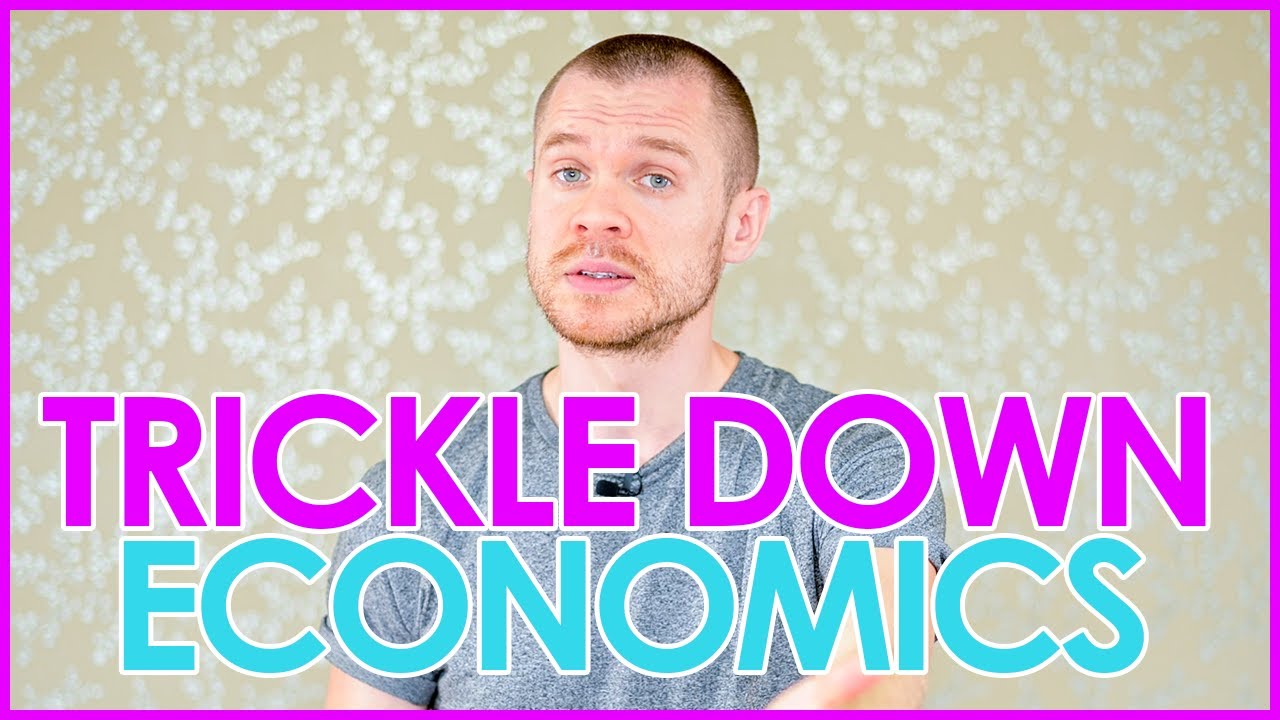
Debunking Trickle Down Economics
0 up · 0 down · 0 ratings
Channels and socials
The core philosophy of the governments disastrous mini-budget is "Trickle Down Economics". Gary explains why it simply DOESN'T work. SUBSCRIBE, SHARE & START A CONVERSATION SOCIAL MEDIA: WEBSITE - wealtheconomics.org TWITTER - @garyseconomics - twitter.com FACEBOOK - @garyseconomics - @garyseconomics INSTAGRAM - @garyseconomics - @garyseconomics TIKTOK - @garyseconomics - @garyseconomics YOUTUBE - @garyseconomics - youtube.com Performed by Gary Stevenson GARYSECONOMICS Produced by Simran Mohan MOHAN MEDIA
Gary Stephenson explains trickle down economics by first defining the concept: giving money to rich individuals with the expectation that savings will translate into investment and broader economic growth. He emphasizes that investment only expands the economy if it funds new productive assets like houses, wind turbines, factories, or upgraded machinery, rather than simply enabling more consumption or asset purchases. The video argues that wealth accumulation among the very rich often manifests as cash held or investments in existing assets rather than the creation of new productive capacity. He illustrates how in the UK, large cash hoards among the rich have coincided with rising house prices, arguing that this dynamic shifts assets upward rather than catalyzing broad-based productivity gains. The host then maps the path money would take under trickle-down logic: saved wealth should flow into investment, expanding the economy. However, he notes that in practice much of the cash ends up with existing asset ownership or as loans to others, which tends to raise asset prices and mortgages rather than stimulate new productive investment. The central criticism is that this approach increases wealth inequality and leaves ordinary families with fewer affordable assets while debt burdens grow as prices rise. He supports this with historical context, pointing to periods of cheap credit and cash transfers to the rich, which did not produce sustained growth and instead fed housing demand, inflation, and living costs. The conclusion is a strong rejection of trickle-down theory, arguing that real growth requires broad-based purchasing power and investment in new productive capacity, not wealth accumulation among a small elite.
Topics · economy · public policy · wealth inequality · housing · macroeconomics
Questions answered
- What is trickle down economics as described in the video?
- Trickle down economics is the idea that giving money to rich people will increase their savings and investments, which in turn will grow the overall economy.
- What does the video say happens when rich people receive extra cash?
- The video argues they often buy existing assets or lend money, which can raise house prices and debt rather than funding new productive investments.
- What is the main evidence the video presents against trickle down economics?
- Historical periods of cheap credit and large cash transfers to the rich did not yield sustained growth and instead coincided with rising inequality, inflation, and higher living costs for the majority.