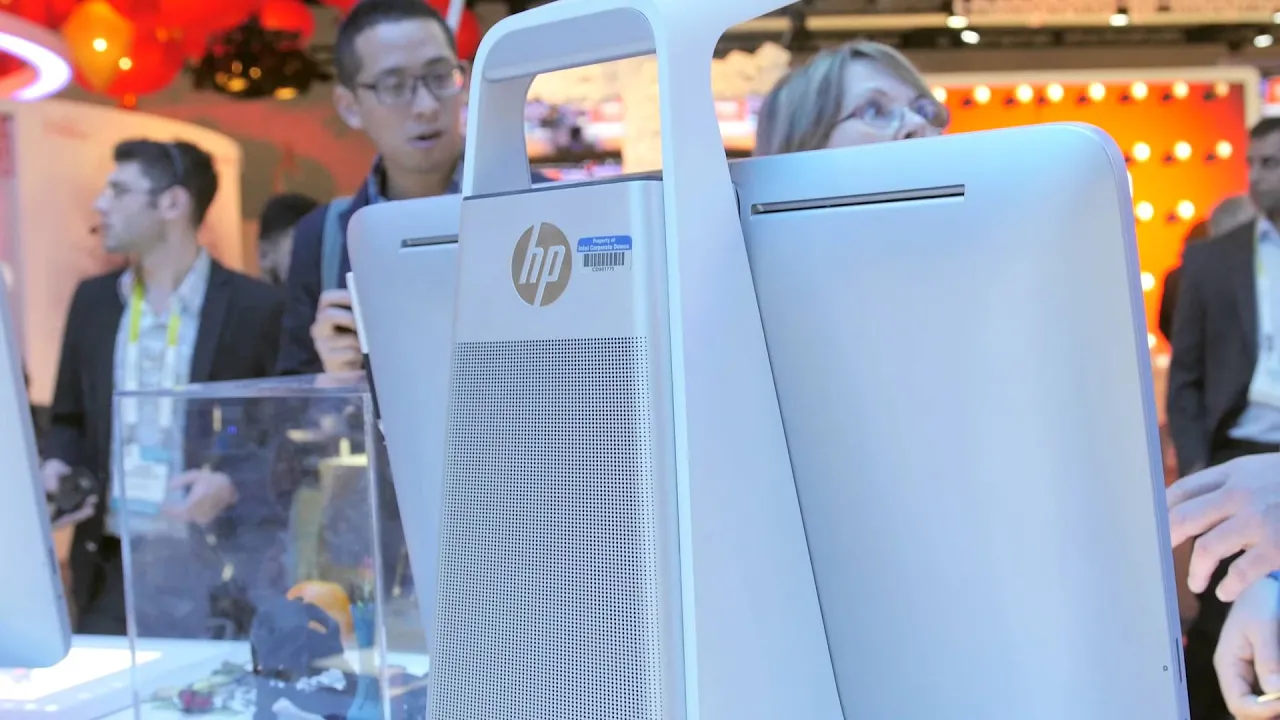
3D Printing & Scanning feat. HP Sprout at Intel Booth - CES 2015
0 up · 0 down · 0 ratings
Channels and socials
Our CES 2015 Sponsors: Phantom Glass: store.phantom.glass HyperX YouTube Channel: youtube.com Forum thread: linustechtips.com twitter.com twitter.com @LinusTech Join our community forum: bit.ly
Linus Tech Tips opens the CES 2015 Intel Booth with a showcase of HP Sprout, a hybrid 3‑D printer and scanner that can print a hand and then scan it back onto a real arm. The first half of the video covers the hardware specs of the Sprout, the 20‑point multi‑touch surface, and the initial 3‑D capture of a hand prototype. In the second half Linus demonstrates the scanning workflow, the creation of a 3‑D model, and the use of the device as a secondary workspace or a creative canvas. The video ends with a shout‑out to Phantom Glass and HyperX, and a call to action for viewers to subscribe for more CES content. The video is a concise, engaging review that blends hardware description with live demo footage. Linus explains the “blended reality” concept, showing how digital objects can be turned into real objects via 3‑D printing and vice versa. He highlights the speed of the printing process (3‑4 days per hand) and the quality of the printed hand, noting that the hand can be used by someone who was born with one hand. The demo includes a live scan of a hand, a quick 3‑D model export, and a test of the interactive surface as a secondary screen. The final segment wraps up with a shout‑out to the sponsors and a reminder to subscribe for more CES coverage.
Viewers praise the video for its clear explanation of the HP Sprout workflow and the impressive 3‑D hand prototype. Comments highlight the enthusiasm for the 3‑D printing process and the usefulness of the multi‑touch surface. Many viewers note the strong marketing shout‑outs to Phantom Glass and HyperX, and appreciate the call to action for subscribing. Overall sentiment is positive, with a few humorous remarks about the future of 3‑D printed hands.
Topics · intel · tech · review · pc · computer · linus
Questions answered
- What technology does HP Sprout use for 3‑D printing and scanning?
- HP Sprout uses a core i7 processor, 8 GB of RAM, a 1 TB drive, and a 1080p touch‑screen with a 20‑point multi‑touch interactive surface, all powered by Intel’s RealSense 3‑D camera for depth sensing and infrared capture.
- How does blended reality work in the context of this demo?
- Blended reality refers to the process of converting digital 3‑D models into real objects via 3‑D printing, and then scanning those real objects back into digital form for further manipulation and display.