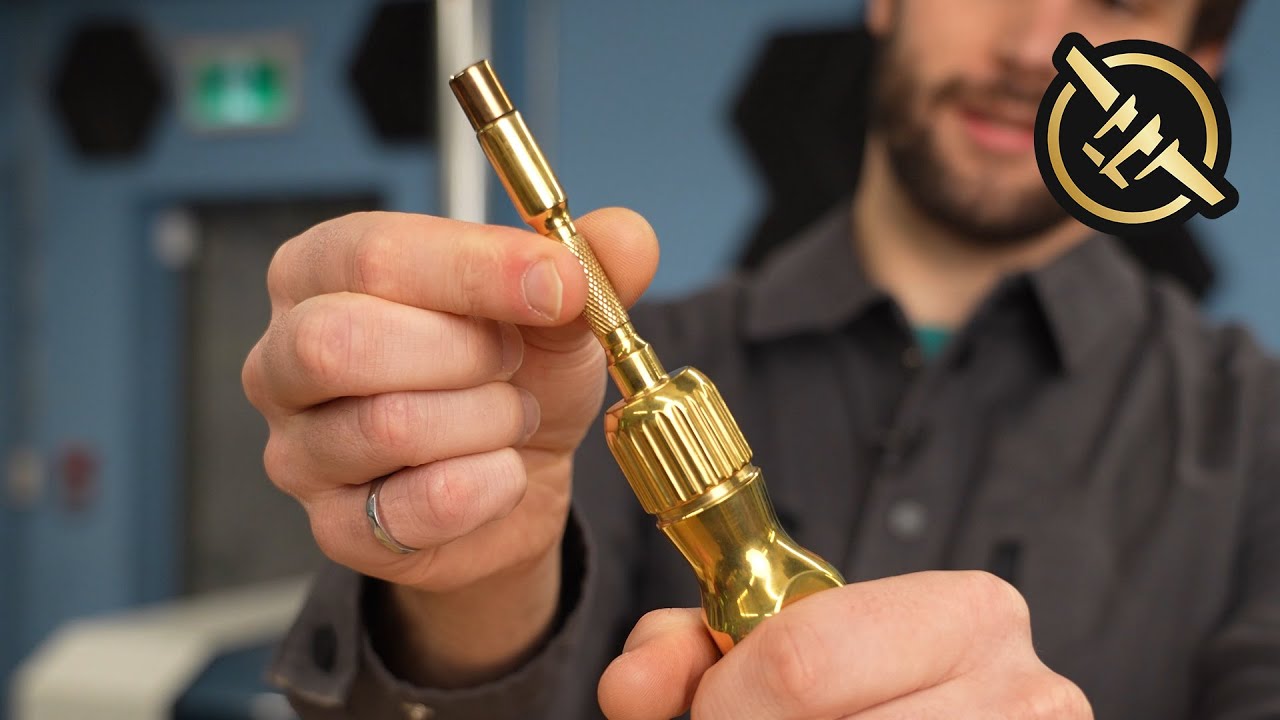
FP Exclusive: We Got Sent a Brass Screwdriver!
0 up · 0 down · 0 ratings
Description
Thank you for your support!
Promos
Check out Floatplane for more benefits at lmg.gg ► GET MERCH: lttstore.com ► LTX: lmg.gg ► SPONSORS, AFFILIATES, AND PARTNERS: lmg.gg ► OUR WAN PODCAST GEAR: lmg.gg FOLLOW US --------------------------------------------------- Twitter: twitter.com Facebook: @LinusTech Instagram: @linustech TikTok: @linustech Twitch: twitch.tv
In FP Exclusive: We Got Sent a Brass Screwdriver, the video opens with the hosts reacting to an unexpected package that contains a brass screwdriver. They set the stage by discussing why a brass variant might matter in electronics and hardware work, contrasting it with traditional steel screwdrivers. The segment explores the practical reasons someone might send a brass tool, including concerns about marring delicate surfaces and non-sparking properties, and the hosts outline their plan to test its usefulness in typical tinkering scenarios. They walk through initial impressions of the tool’s heft, balance, and grip, noting any visible craftsmanship cues and the overall build quality. The hosts then pivot to a live demo, trying the brass screwdriver on a few common fasteners to gauge fit, torque, and ease of use, and they comment on how the material behaves with brass-on-brass or brass-on-steel interactions. As the segment progresses, they discuss potential applications in electronics assembly, precision work, and hobbyist projects, while acknowledging limits and tradeoffs compared to more traditional metal screwdrivers. The conclusion sums up practical takeaways, including ideal use cases, maintenance tips, and a tease about future experiments with other branded or specialty tools. Overall, the video treats the brass screwdriver as a niche tool with specific benefits, while balancing curiosity about its performance in real-world tasks and offering recommendations on when it would be a smart choice for viewers to consider. In the second paragraph, the hosts delve into a broader hardware context, explaining how material properties like brass hardness, longevity, and surface compatibility influence tool choice. They compare the brass screwdriver’s non-marring characteristics for delicate components with the higher torque capacity of steel variants, illustrating scenarios where each type might excel. The discussion includes a quick lab-style test to assess slip resistance, grip feel, and control during slow, precise turning versus rapid, heavier-duty tasks. Viewers are reminded of the importance of choosing tools that minimize component damage in sensitive electronics and high-clarity assemblies. The hosts also speculate about design details such as handle ergonomics, overall length, and compatibility with common bit types, while reinforcing that the tool is best suited for niche roles rather than replacing a full toolkit. The video closes with practical guidance: when a brass screwdriver makes sense, recommended care to prevent corrosion, and encouragement to explore related tools in future episodes to broaden viewers’ tinkering toolbox.
Topics · technology · science and engineering · tools and hardware · product testing · electronics