Is Aftermarket CPU Cooling Worth It? - Overclocking Examination
0 up · 0 down · 0 ratings
Channels and socials
Is pouring a bunch of money into cooling solutions for your CPU going to net you a huge benefit? Or should you just upgrade your other components instead? Let's find out... Cooler Master link: linustechtips.com Pricing & discussion: linustechtips.com Support us: linustechtips.com Join our community forum: bit.ly twitter.com @LinusTech Intro Screen Music Credit: Title: Laszlo - Supernova Video Link: youtube.com Outro Screen Music Credit: Approaching Nirvana - Sugar High youtube.com
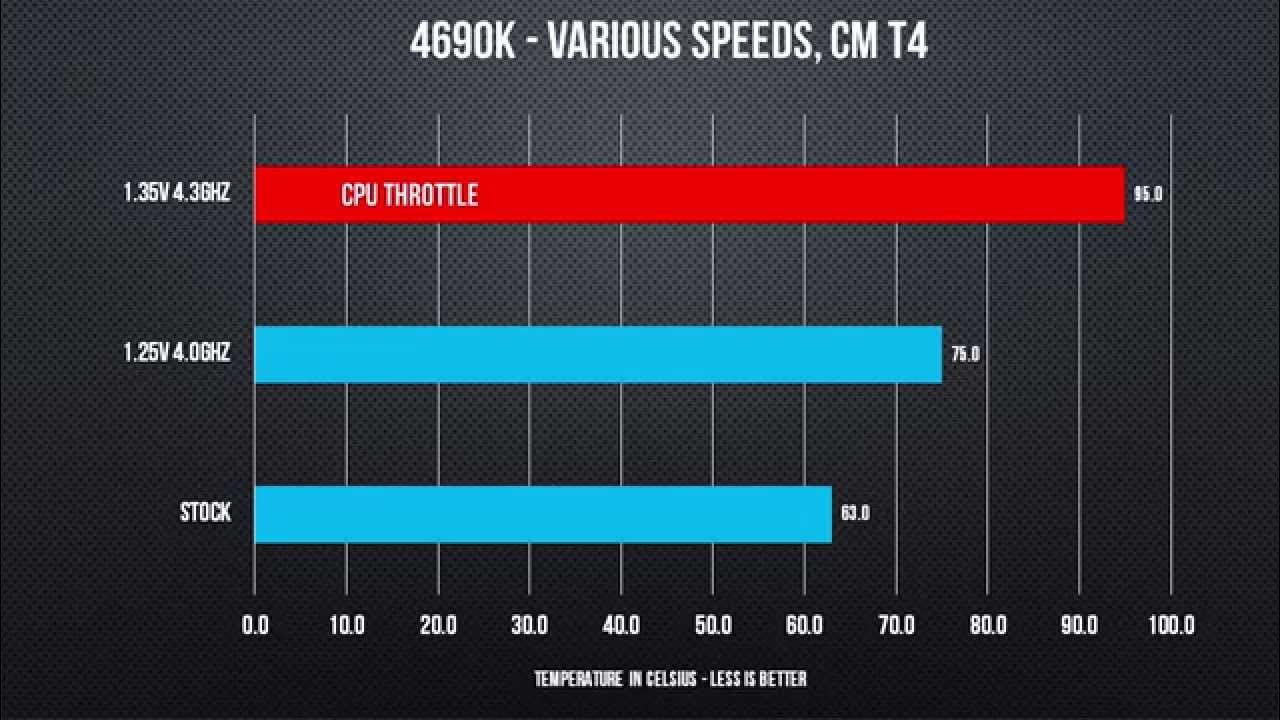
Is Aftermarket CPU Cooling Worth It? - Overclocking Examination investigates whether investing in aftermarket cooling solutions for CPUs provides tangible benefits, especially when overclocking. The video frames its inquiry around lower power draw trends in hardware yet tests several cooling options on a common Intel platform, the 4690k, under three voltage and frequency scenarios to simulate stock, moderate overclock, and higher overclock conditions. The host outlines a testing matrix including budget air coolers like the Cooler Master T4, mid-range dual-radiator setups such as the Seidon 240, and a higher-end mid-range air cooler like the Hyper 212 Evo alternative, while acknowledging it did not include custom water-cooling loops due to cost and complexity. Throughout the test, the presenter compares thermal performance and stability across each cooler at three CPU states, highlighting how temperatures and throttling behaviors shift with voltage and clock changes. The discussion emphasizes practical considerations, noting that the decision to upgrade cooling is not solely about temperatures but also budget, noise, aesthetics, and the broader components being upgraded or overclocked. By the end, the verdict is nuanced: for non-overclockers or budget-constrained builders, a solid stock cooler or moderate air cooler may suffice, while enthusiasts with more budget may benefit from higher-end coolers or even upgrade the processor itself. The video closes by inviting viewer input on personal setups, whether they favor aesthetics, quiet operation, or raw performance, and notes that community feedback and forum discussions can help inform future builds. Overall, the examination presents a balanced view that aftermarket cooling can be worth it in certain scenarios but is not a universal must-have, with the final stance leaning toward a context-dependent recommendation.
Topics · computing hardware · tech reviews
Questions answered
- What factors determine whether aftermarket CPU cooling is worth the investment for a given PC build?
- A combination of the CPU overclock target, total budget, desired noise level, existing system performance, and potential hardware upgrades all influence whether aftermarket cooling provides a net benefit.
- Which cooler provided the best balance of price and performance in the test?
- The video suggests that mid-range options like higher-end air coolers can offer solid improvements at a reasonable price, with certain models matching or approaching stock-like performance at moderate overclocks, while cheaper stock coolers may only suffice for non-overclocked use.
- Should a new builder skip aftermarket cooling to save money?
- For non-overclockers or those with tight budgets, sticking with a stock cooler or a modest air cooler can be a sensible choice; upgrading the processor or saving for a higher-end cooler becomes more justifiable when aiming for higher overclocking or quieter operation.