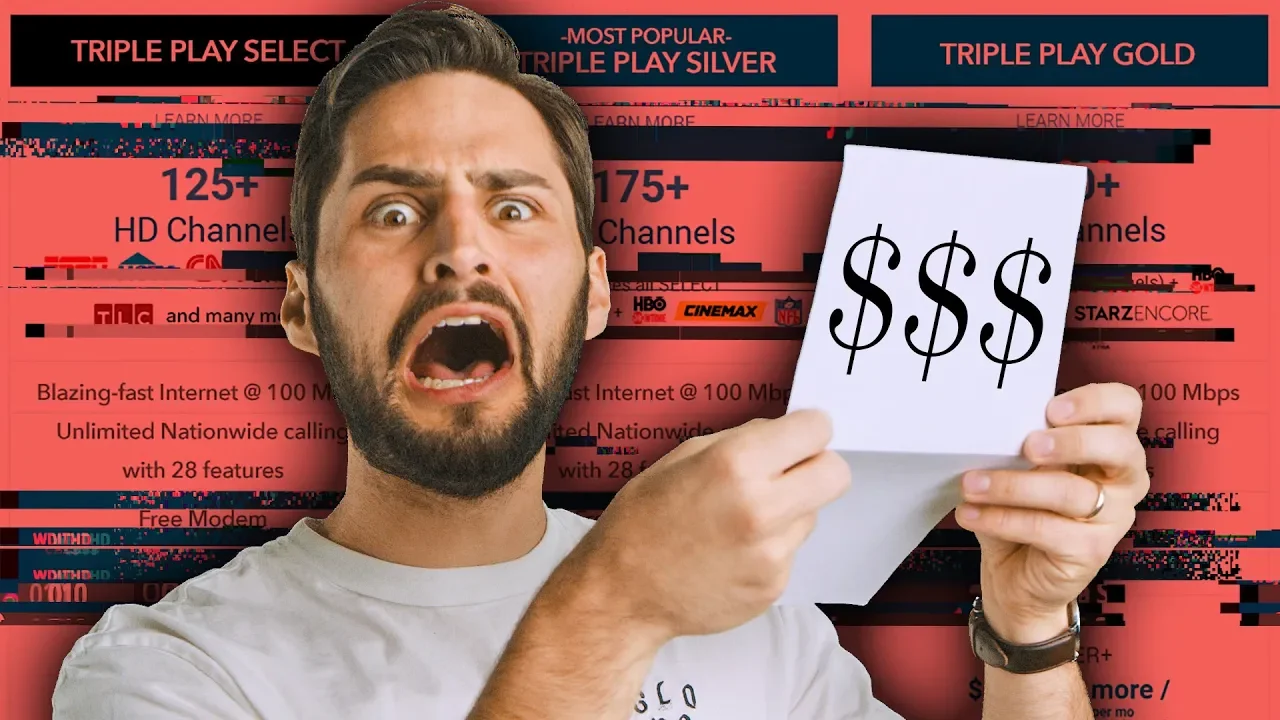
Why Cable TV Is Such A RIPOFF
0 up · 0 down · 0 ratings
Promos
Get an unrestricted 30-day free trial of FreshBooks at freshbooks.com Why is cable TV still so expensive? LTT Merch Store: lttstore.com Follow: twitter.com Leave a reply with your requests for future episodes, or tweet them here: twitter.com
Cable TV remains expensive because the business model requires cable companies to acquire rights to entire channels from content providers and then sell them in bundles, not as individual offerings. This bundling means providers must package popular channels with less-wanted ones, driving up overall costs for all customers. A prime example is ESPN, where a network owner like Disney will sell access to ESPN but also require carriage of ESPN Classic and other ancillary channels, many of which are rarely watched. Because these bundles carry significant value, the cost is passed along to consumers in the form of higher bills, even if the end viewer only wants a subset of the channels. Content providers leverage flagship properties to maintain leverage, as seen in multi-year, multi-channel deals with leagues that guarantee ongoing access to popular games, which further locks in high prices. Cable companies have attempted to push back through legal and regulatory channels, including lawsuits and lobbying for unbundled or a la carte options, but success has been limited, and contracts often mandate that top channels be offered across multiple service tiers, limiting consumer choice. The video also notes add-on costs like data caps on bundled internet services and monthly fees for cable boxes, practices that persist despite the existence of newer technologies that could simplify the delivery model. Alternatives like YouTube TV and Hulu with Live TV are presented as cheaper options with a smaller core channel lineup, albeit with the realities of over-the-top streaming such as variable performance due to internet traffic. The host closes with a humorously self-deprecating claim of not price gouging viewers while promoting merch and a FreshBooks sponsorship, reinforcing the practical takeaway that cord-cutting can reduce costs, but every option comes with trade-offs.
Topics · technology · media · economics
Questions answered
- Why is cable TV more expensive than expected according to the video?
- Cable TV costs are high because providers must purchase rights to carry entire channels and often must bundle many channels together, including ones viewers may not want, which drives up prices for all customers.
- What are some cheaper alternatives to traditional cable mentioned in the video?
- Cheaper alternatives include streaming services like YouTube TV and Hulu with Live TV, which offer smaller channel lineups for about 45 to 50 dollars per month, though they come with streaming-specific trade offs such as internet performance issues.