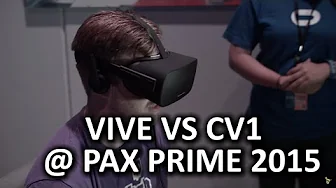
HTC Vive vs Oculus Rift CV1 - PAX Prime 2015
0 up · 0 down · 0 ratings
Description
Which VR kit does Luke expect to come out ahead in this battle? Sponsor thread: linustechtips.com Follow: twitter.com Join the community: linustechtips.com
The video provides a field-based look at the HTC Vive and Oculus Rift CV1 during PAX Prime 2015, focusing on practical impressions rather than pure specs. The presenter explains that while both headsets are maturing, the critical differences lie in experience and tracking setup rather than raw hardware numbers. He notes Oculus uses a front-facing sensor and both systems aim to deliver convincing VR with high frame rates, but the Vive offers more freedom to move thanks to wall-mounted sensors, at the cost of a more complex setup. The discussion shifts to killer apps and platform libraries, highlighting that exclusive libraries and ecosystem fragmentation may influence adoption more than hardware improvements alone. Demos observed at the event sometimes failed or ran unreliably, underscoring the ongoing teething problems for early VR hardware and software. The speaker expresses cautious optimism about a future where libraries could merge, making it easier for users to mix hardware with preferred games, while acknowledging that exclusives often persist. The closing notes thank sponsors and partners, urging viewers to follow related channels and check product links for more information, with an eye toward how 2016 might resolve the VR hardware competition.
Topics · technology · virtual reality · gaming · consumer electronics · event coverage · immersive technology
Questions answered
- What were the main practical differences between the HTC Vive and Oculus Rift CV1 discussed at PAX Prime 2015?
- The Vive offered broader movement space with wall-mounted sensors enabling larger tracked areas, while the Rift CV1 relied on a front-facing sensor with a smaller, more contained tracking area.
- Why did the presenter emphasize the importance of libraries and compatibility over raw hardware specs?
- Because software libraries and game availability largely determine the user experience and the appeal of a VR platform, potentially more than marginal hardware improvements.