Dedicated PhysX Card Experiment - How Powerful Does it Have to Be? Linus Tech Tips
0 up · 0 down · 0 ratings
Description
NVIDIA PhysX is a neat technology that exists to introduce a new element to PC gaming. Right now it's mostly special effects, but hopefully we'll see some games over the years that really use physics technologies to introduce new styles of gameplay.
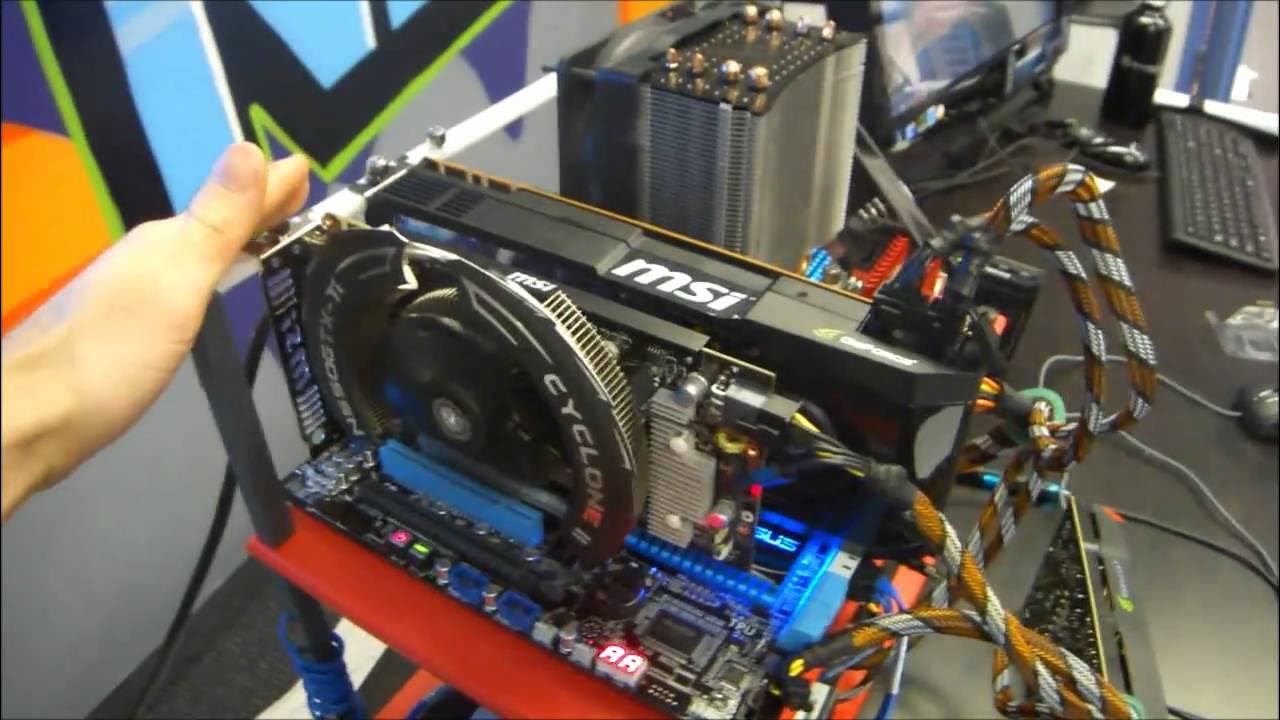
This video conducts a practical experiment to determine how powerful a dedicated PhysX card needs to be in order to meaningfully impact gaming performance. Linus sets up a GTX 580 as the primary graphics card and tests two scenarios: using an older 8600 GTS as the dedicated PhysX processor and using a second GTX 580 to handle PhysX in parallel. He runs Mafia 2 at 1920x1080 with high details and anti-aliasing to measure frame rates under each configuration. The results show that the GTX 580 alone handling both graphics and PhysX delivers around 50 FPS, while pairing a slow PhysX card with the main GPU can bottleneck performance and drop frames toward 30 FPS. Through additional tests with a GTX 580 plus alternative PhysX candidates (GTX 560 TI, GTX 550 Ti), the data suggest that the exact threshold for adequate PhysX power varies by game, but any card that is too slow will throttle the overall experience. The takeaway emphasizes that for optimal results, the PhysX workload should be handled by a card that is fast enough to avoid bottlenecks, preferably a mid-range option when the main GPU is already a high-end model, such as using a GTX 550 TI or similar low-to-mid tier card, or simply letting the main GPU do the PhysX work in many situations. Linus concludes with practical guidance for future builds and teases discussion of PCIe bandwidth in a forthcoming episode. Overall, the video demonstrates that PhysX processing power is situational, with diminishing returns once the dedicated card becomes a bottleneck or excessively overpowered for the task.
Topics · Science & Technology · Hardware & Components · Performance benchmarking · PC Gaming
Questions answered
- What was the main finding about PhysX card necessity?
- A mid-range dedicated PhysX card can be sufficient in some cases, but a very fast main GPU performing both graphics and PhysX often yields better results than pairing with a slow dedicated PhysX card, and the threshold for adequate PhysX power varies by game.