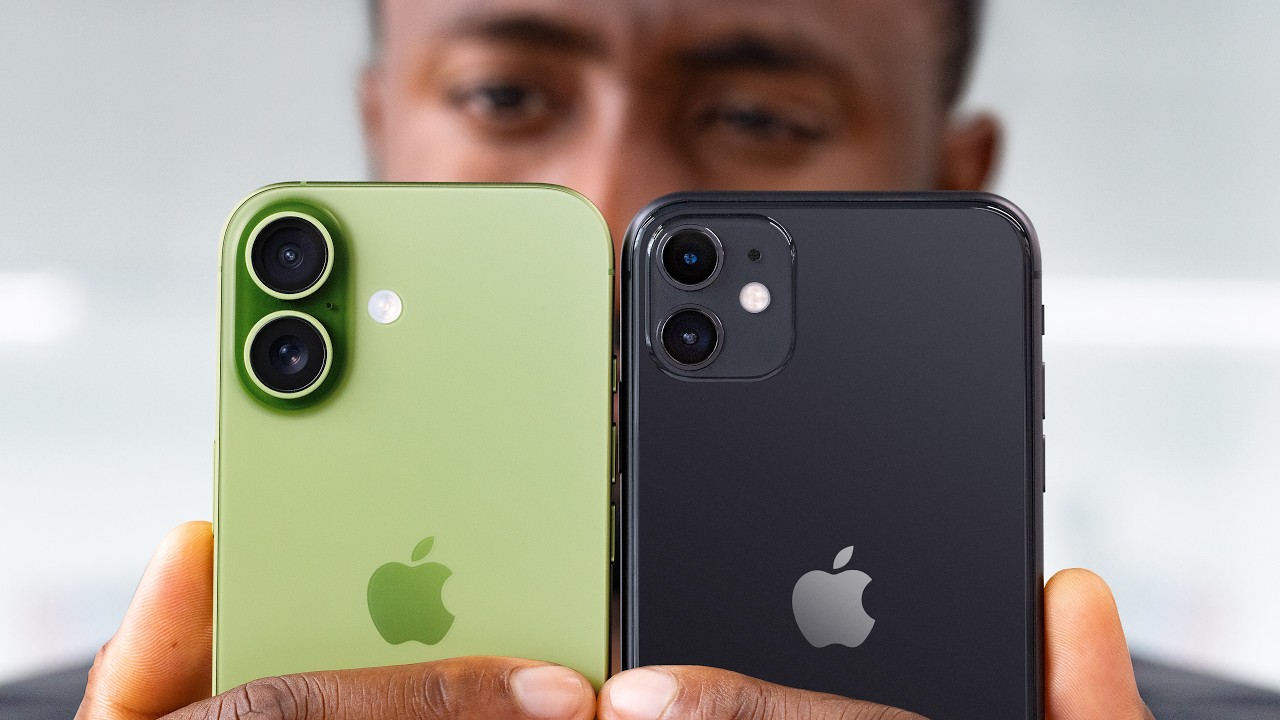
Why New Smartphone Cameras Feel Worse
0 up · 0 down · 0 ratings
Promos
Newest camera doesn't necessarily equal the nicest photo MKBHD Merch: shop.mkbhd.com Every iPhone in daylight: youtube.com Every iPhone in low light: youtube.com Every Samsung phone: youtube.com Every Google phone: youtube.com Apps with alternate processing: Halide: halide.cam MotionCam: motioncamapp.com Playlist of MKBHD Intro music: goo.gl ~ twitter.com @MKBHD @MKBHD
The video begins with the host testing every iPhone generation side by side, narrating how the latest generation does not always deliver the best photos in every scenario. He emphasizes that in daylight, most phones from the past five years can produce perfectly usable images, and the real differences emerge in challenging conditions such as backlit scenes, low light, or fast-moving subjects. The discussion then pivots to the fundamental constraint of smartphones: physical space in the device has plateaued, so dramatic year-over-year sensor upgrades are less likely, pushing manufacturers to rely on processing power and software tricks instead. The host uses concrete examples, like comparing a Pixel 10's multi-frame HDR and tone mapping to older models, to illustrate how modern processing aims to salvage tricky shots. He argues that the allure of a “perfect photo machine” can lead to overprocessing, where the aggressive tone mapping, HDR, and face detection can produce photos that feel overdone or unnatural. The central thesis is that while cameras have improved technologically, the aesthetic outcome for many everyday photos has shifted toward a slightly overworked look, and some brands tend to overapply processing to salvage images that don’t need it. He also notes that there are apps and settings that can dial back post-processing, offering a route to more natural results, and he promises to share recommendations and a deeper look at the generations in upcoming Shorts. In the second major section, the presenter examines the balance between processing and natural appearance across popular devices, arguing that the most dramatic differences show up in edge cases rather than in ideal lighting. He points out that many recent phones can still disappoint in regular daylight if over-aggressive processing is employed, creating halos, blown highlights, or an overly glossy look. The video traces how camera brands have gradually tuned down or turned up various tricks like multiframe HDR, face detection, and dynamic exposure depending on the scene, highlighting the ongoing tension between making a photo look good in the viewfinder versus the final capture. He illustrates the point with side-by-side comparisons across generations and brands, concluding that the best path for more natural results is a mindful reduction of post-processing when it isn’t strictly necessary. The host wraps up by acknowledging that a certain level of processing is beneficial in tough scenes, but that the optimal approach is one of selective, context-aware tuning rather than blanket application, and he invites viewers to try raw photography or post-processing controls to regain a more natural look.
Topics · technology · photography · consumer electronics · science
Questions answered
- Why do newer smartphone cameras sometimes look worse in everyday photos?
- New cameras often rely on aggressive processing to fix challenging lighting and motion, which can introduce artifacts, halos, or an overly glossy look. When the software applies multi-frame HDR, tone mapping, and face detection across a wide range of scenes, especially in bright daylight, the final image can appear overprocessed. Users can counter this by using manual controls, shooting in raw, or using apps that reduce or disable post-processing.
- Can users avoid overprocessing without sacrificing image quality in tough conditions?
- Yes, by adjusting processing settings, turning off certain enhancements, and choosing scenes where less processing is needed. Some smartphones offer raw capture or post-processing controls to dial back HDR and tone mapping, allowing more natural results even in backlit or low-light situations.