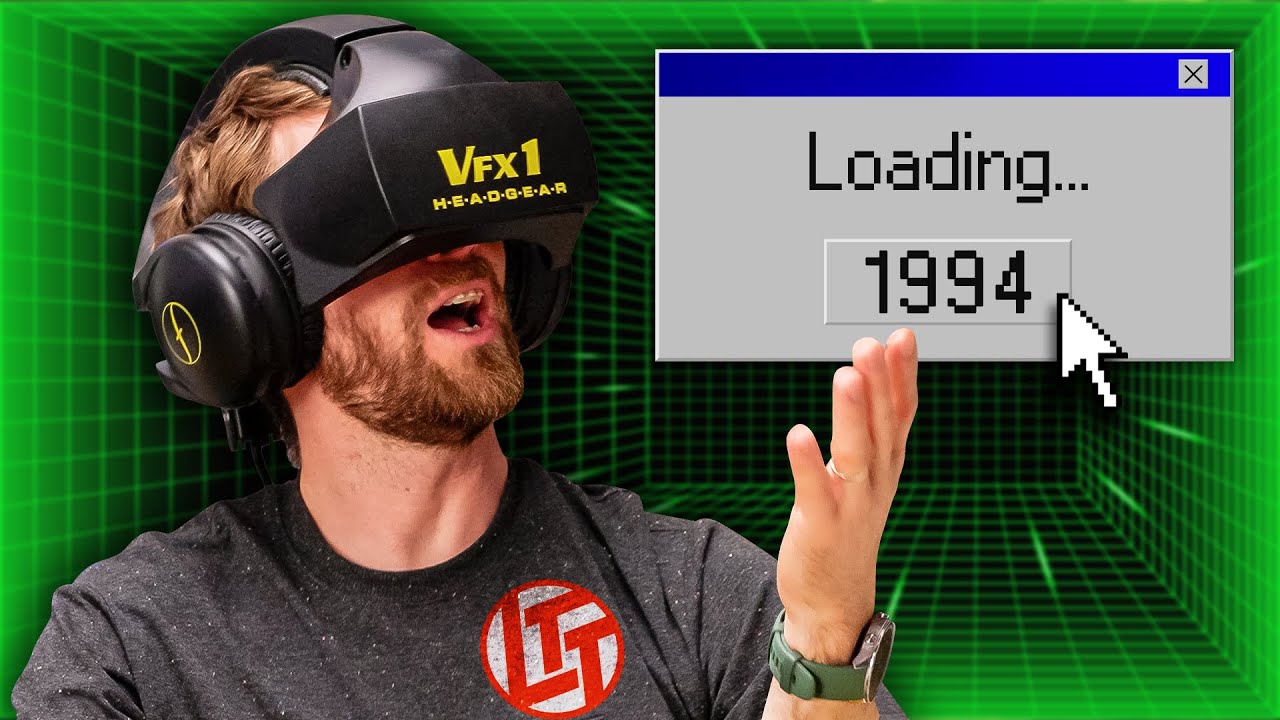
Linus Tries VR From 1994
0 up · 0 down · 0 ratings
Description
Join us and over 70 million players in one of the most comprehensive vehicle combat games EVER MADE!
Promos
Check out War Thunder for free today on PC, Console, and Mobile using our links! PC/Console: playwt.link Mobile: wtm.game Virtual Reality seems like the ‘next big thing’ in video games, a cutting edge technology just a few years away from true mainstream adoption. At least, that’s what people thought 30 years ago! But what did VR even look like when DOS was still king and our 'hertz and 'bytes were measured in Megs? Discuss on the forum: linustechtips.com ► GET OUR MERCH: lttstore.com ► GET EXCLUSIVE CONTENT ON FLOATPLANE: lmg.gg ► GET A VPN: piavpn.com ► SPONSORS, AFFILIATES, AND PARTNERS: lmg.gg Purchases made through some store links may provide some compensation to Linus Media Group. Affiliate links powered in part by affilimate.com Linus Sebastian is an investor in Framework Computer, Inc CHAPTERS --------------------------------------------------- 0:00 Intro 1:32 It's so... beige. 2:10 He's so excited to try it! 3:30 Quake 6:16 Better than expected? 7:21 Rise of the Triad 8:03 Descent 10:15 Let's look at the hardware 15:30 Credits
The video sets the stage by transporting viewers back to the 1990s, highlighting how virtual reality was perceived as the next big thing during the DOS era. The host describes a nostalgic scene with Crystal Pepsi and bagel bites while introducing the Forte VFX1 headset, a 1994-era VR system that aimed to bring stereoscopic 3D to PC gaming. The setup emphasizes the hardware and the era's limitations, including the need to run DOS 7 and to rely on specific software integrations for VR experiences. As the segment unfolds, the host demonstrates donning the headset, adjusting IPD and focus, and interacting with the cyber puck controller, setting up a practical look at how early VR felt in real use. The discussion also touches on the broader history of consumer VR, including Sega's early attempts and the general public reception of VR technology in the mid-1990s, framing the VFX1 as a remarkable but ultimately transient milestone. In the middle portion, the video dives into hands-on gameplay with several classic titles that supported the VFX1, notably Quake. The host explains the control layout, including which buttons mapped to movement, shooting, and jumping, while commenting on the physical strain and nausea associated with early VR experiences. Quake is shown with stereoscopic support and limited 90-degree motion, highlighting both the novelty and the ergonomics challenges of the time. The commentary addresses the reality that only a subset of titles truly utilized the VR hardware, with many games offering flat, non-immersive experiences despite VR capable interfaces. This section blends technical notes about calibration and the awkwardness of early headsets with candid reactions to the immersion level achieved by contemporary standards. The review then shifts to a hardware-focused exploration, examining the VFX1 helmet, headphones, and the distinctive 26-pin interface that connected the headset to the PC. The host explains how the FPGA-based processor enabled higher performance than a simple ISA bus would allow, and discusses the unusual connector ecosystem, including RJ11 for the puck and pass-through audio. There is a strong emphasis on the perceived value and price, noting an MSRP around $6.95 with the caveat that production costs and volumes influenced affordability. The segment closes with reflections on why VR did not mainstream in the 1990s, contrasting the VFX1’s ambitious design with the later decades of slower adoption, before returning to a broader perspective on how far technology has advanced since then. The conclusion ties the historical exploration back to the present, suggesting that many ideas from 1994 foreshadow modern VR while acknowledging the failures that prevented wider adoption at the time. Overall, the video blends nostalgia with technical insight, offering a careful examination of what VR looked and felt like three decades ago. It balances praise for the hardware's ingenuity and the dream of consumer VR with a sober reminder of the practical hurdles and market dynamics that blocked widespread use. Viewers are treated to a mix of hands-on demonstrations, historical context, and candid, sometimes humorous, reactions to early VR’s ergonomics and limitations. The episode invites reflection on the progress since then and prompts questions about how current VR platforms might avoid repeating the same pitfalls while delivering a more accessible experience for new generations of players.
Topics · technology · gaming · history · retro computing
Questions answered
- What was the Forte VFX1 and why was it significant in 1994?
- The Forte VFX1 was a head-mounted display system with stereoscopic 3D designed for PC games in 1994. It used an FPGA-based processor and a dedicated interface to connect the headset, audio, and a motion controller, offering an ambitious but expensive early VR experience that showcased the potential and limits of consumer VR at the time.
- Which games were demonstrated with VR support on the VFX1 in this video?
- Quake, Rise of the Triad, and Descent were used to illustrate early VR experiences with the VFX1, showing how some titles offered proper stereoscopic support while others appeared flat or offered limited motion controls.
- Why did VR not take off in the 1990s according to the video?
- Despite impressive hardware and a strong dream for immersive gaming, VR faced hurdles such as cost, limited game support, ergonomic challenges, and insufficient software ecosystems, which together impeded mass adoption.
- What hardware features were highlighted as innovative in the VFX1?
- Key innovations included the FPGA-based processor, the 26-pin feature connector enabling fast communication between the VRAM and GPU, and the Cyberpuck controller, all of which represented forward-thinking, though expensive, design for consumer VR.