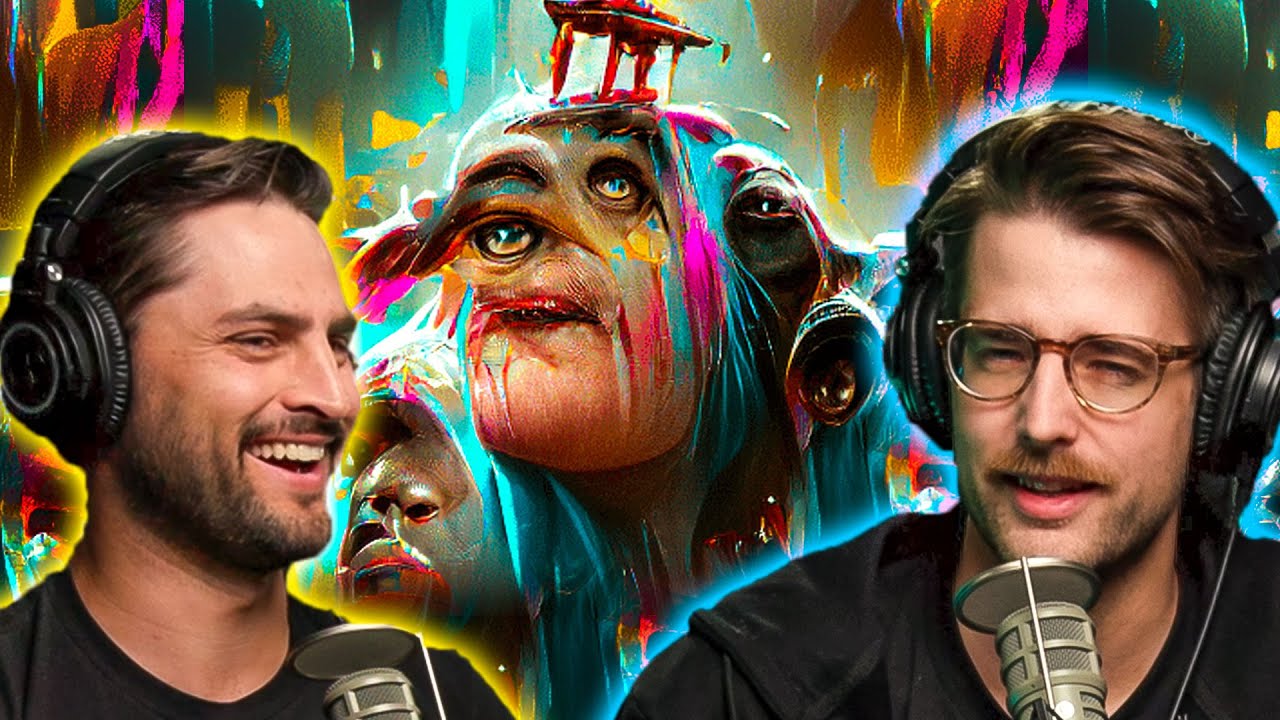
A.I. Art is Winning Art Competitions. - TalkLinked #11
0 up · 0 down · 0 ratings
Promos
James and Riley discuss the curious case of Jason Allen, the man who entered an art competition using AI-generated art and didn't tell anyone until he won. Does his win count? Is AI-generated art "real art"? These two guys conclusively answer these questions and every other one, too. ►► LISTEN TO THE TECH NEWS: lmg.gg ► GET MERCH: lttstore.com ► AFFILIATES, SPONSORS & REFERRALS: lmg.gg ► PODCAST GEAR: lmg.gg ► SUPPORT US ON FLOATPLANE: floatplane.com NEWS SOURCES: lmg.gg --------------------------------------------------- Timestamps: 0:00 Angering James 0:30 AI art piece wins art competition 13:45 Who gets the copyright? 18:55 Artists are in trouble 21:40 Homogenization of art 24:25 AI music 27:58 What should we do? FOLLOW US ELSEWHERE --------------------------------------------------- Twitter: twitter.com Instagram: @TechLinkedYT Facebook: @TechLinked #ai #aiart #midjourney #stablediffusion
TalkLinked #11 dives into the provocative issue of AI generated art winning real art competitions, sparked by Jason Allen's Colorado State Fair Digital Arts win using Midjourney. The hosts frame the central questions right away: Does AI art constitute art, and who deserves credit when a machine helps create it? They discuss the notion of intentionality in art, debating whether a human prompt engineer and a machine can together produce meaningful art, or if the output is simply a computed result lacking intentional expression. The conversation moves through contrasting views about the role of the artist and the AI, emphasizing collaboration versus automation, and exploring how the prompt crafting process acts as a form of authorship while the AI contributes a layer of generation beyond the human’s control. The hosts acknowledge that AI art raises critical questions about copyright, ownership, and the potential displacement of traditional artists, and they note that regulation is lagging behind rapid technological advancement. They compare AI art to other creative disruptions, like the early days of blockchain and the evolution of generative music, to illustrate how communities respond with both excitement and fear. The discussion also covers the practical implications for industries such as graphic design and stock imagery, including how artist credits, licensing, and royalties could be handled in a world where AI models are trained on vast corpora of human-created work. Throughout, the speakers advocate for ongoing dialogue and thoughtful policy discussion as tools to shape a future where AI art coexists with human artistry rather than erasing it. They close with a pragmatic view that technology is here to stay, urging adaptation and responsible usage, while acknowledging that strong consensus on rules and compensation for artists remains an open and unresolved challenge.
Topics · technology · art · ethics · law
Questions answered
- Is AI generated art considered art, and can it be owned or credited like human created art?
- AI generated art can be considered art depending on how it is produced and the role of human input in its creation. Ownership and credit raise questions about authorship, copyright, and licensing, particularly when training data comes from existing human works.
- What are the main regulatory or policy gaps surrounding AI art today?
- Key gaps include how to attribute copyright and royalties, how to license training datasets, and how to regulate or standardize the use of AI tools in competitions and commercial work.
- How might AI art affect artists and the design industry in the near term?
- AI art could democratize access to creation and reduce costs, but it may also disrupt traditional commissions and jobs. The industry may respond with new roles like prompt engineers, and a push for clearer licensing and compensation mechanisms for artists whose works are used to train models.