Quantum Dot TVs: Explained!
0 up · 0 down · 0 ratings
Channels and socials
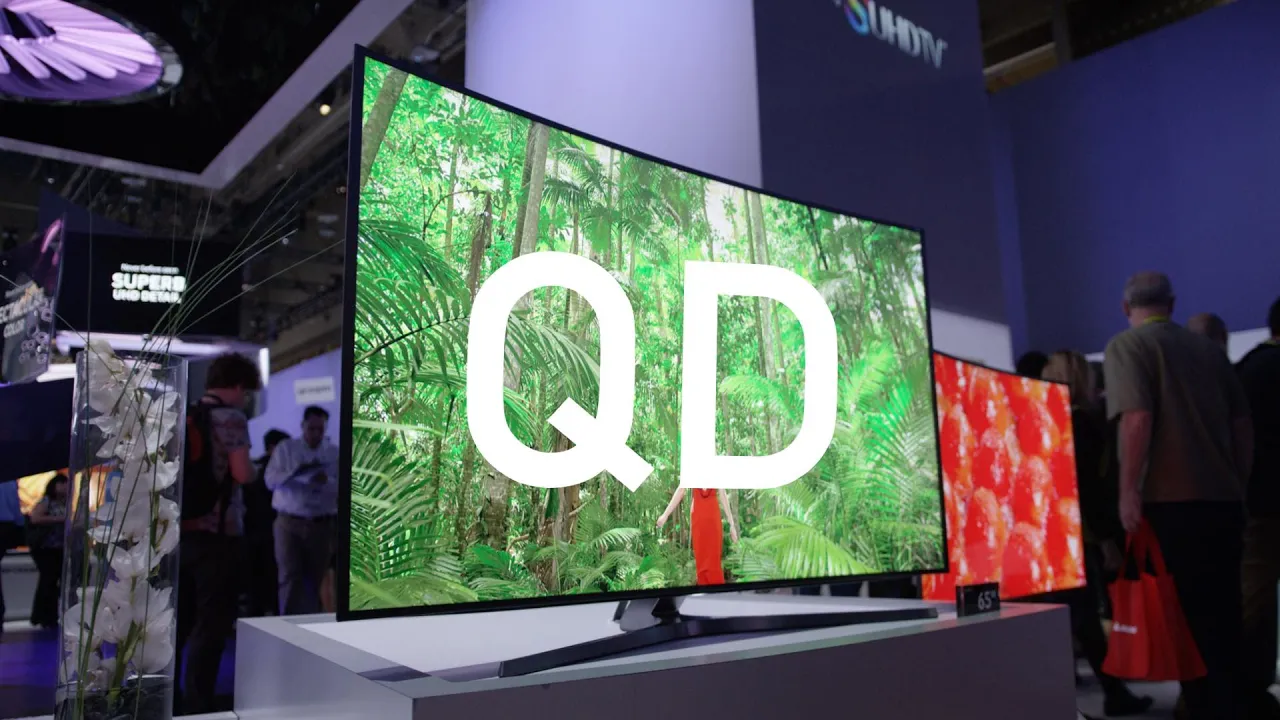
Quantum Dot TVs: Making a splash at CES 2015! Video Gear I use: amzn.com Intro Track: Deadmau5 - Slow Down, Start Over ~ twitter.com google.com @MarquesBrownlee @MKBHD @MKBHD
Quantum Dot TVs: Explained! breaks down the basic idea behind quantum dot backlighting in LCD/LED TVs, clarifying that the technology is an improved backlight rather than a mysterious new display type. The host explains that traditional backlights use white light which must be filtered to create red, green, and blue pixels, which reduces brightness and efficiency. Quantum dot backlighting promises to emit purer red, green, and blue light, enabling a brighter image and better color with less light loss. The discussion places quantum dot TVs in the CES 2015 context, noting Samsung’s branding and claims of wider color gamuts and higher brightness, while contrasting them with OLED displays which don’t require backlighting and can achieve true Blacks and excellent contrast. The host also touches on the potential for integration into smartphones, highlighting efficiency and outdoor visibility as benefits. Overall, the video validates the technology as legitimate and practical, while tempering expectations by acknowledging that the wow-factor is more apparent when compared side-by-side with standard LCD backlights and that the idea has been around since the 1990s. The piece concludes with the observation that quantum dot branding is a recent evolution, tied to CES 2015 marketing rather than a sudden, physics-level breakthrough, and hints at a continued trajectory toward brighter, more color-accurate displays across devices.
Topics · technology · display_technology · consumer_electronics · ces2015
Questions answered
- What is the core idea behind quantum dot backlighting in TVs?
- Quantum dot backlighting uses nanocrystals to emit pure red, green, and blue light, reducing the need for color filtering and increasing brightness and color efficiency compared to traditional LCD backlights.