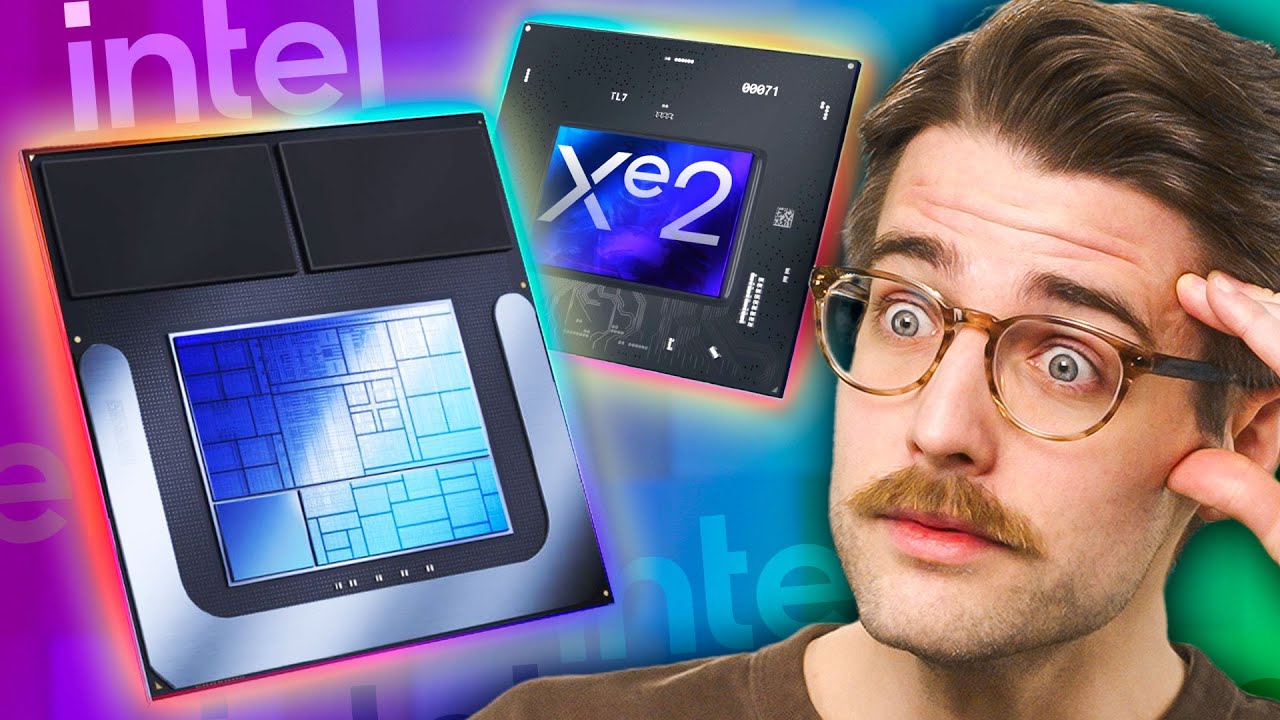
Intel pulls an Apple!?
0 up · 0 down · 0 ratings
Promos
Your business deserves a website! Create one for free at odoo.com ► GET MERCH: lttstore.com ► GET EXCLUSIVE CONTENT ON FLOATPLANE: lmg.gg ► LISTEN TO THE TECH NEWS: lmg.gg ► SPONSORS, AFFILIATES, AND PARTNERS: lmg.gg ► OUR PODCAST GEAR: lmg.gg NEWS SOURCES: lmg.gg --------------------------------------------------- Timestamps: 0:00 i keep hearing drums 0:08 Intel Lunar Lake 1:59 Google privacy, legal execs leave 3:22 Windows 10 getting new features? 5:20 QUICK BITS INTRO 5:25 Nvidia small form factor guidelines 5:59 Google WON'T confiscate your Pixel 6:37 London medical system under cyberattack 7:17 Meta training AI with user data 7:49 Zoom CEO: use AI to skip meetings FOLLOW US ELSEWHERE --------------------------------------------------- Twitter: twitter.com Instagram: @TechLinkedYT Facebook: @TechLinked TikTok: @techlinkedyt
Paragraph 1: The video kicks off with a deep dive into Intel's Computex revelations about the Lunar Lake platform, highlighting notable architectural shifts and performance expectations. It explains that Lunar Lake will feature redesigned efficiency cores with up to 68% higher instructions per clock, while performance cores see a more modest 14% gain, underscoring the ongoing emphasis on battery life for laptops. A key detail is the move toward integrated memory on the processor package, a design choice reminiscent of Apple’s M1 approach and aligning with industry trends toward higher bandwidth on-chip memory for mobile chips. The report also introduces Intel’s Z2 Battlemage GPU architecture, projecting up to 50% performance gains in the graphics block, which bodes well for next-generation discrete GPUs and AI-enhanced workloads. Additionally, the segment notes that most Lunar Lake chiplets will be fabricated by TSMC rather than Intel Foundry, a strategic shift that frames Intel’s in-house manufacturing ambitions for future generations. The overall takeaway is that Lunar Lake represents both a performance and an efficiency pivot, with practical implications for laptops, AI on the go, and the competitive landscape against rivals. Paragraph 2: The broader tech news slice covers executive leadership and policy shifts in major tech players, including Google’s privacy leadership changes and the potential ripple effects on privacy and antitrust efforts. The discussion touches on Windows 10 features and Microsoft’s ongoing beta experimentation as the OS nears end-of-life, alongside the tension between product updates and user sentiment toward heavy-handed features. The host also charts a few other headlines such as Nvidia’s sizing guidelines for small form factor GPUs and Google’s stance on Pixel repair policies, tying these threads into a broader narrative about how big tech is balancing innovation, user experience, and regulatory scrutiny. The segment concludes by reflecting on how these industry moves shape consumer expectations for hardware, software, and AI-enabled services, urging viewers to watch how the AI and hardware ecosystems continue to converge in the near term.
Topics · technology · ai · hardware · industry-news
Questions answered
- What is Lunar Lake’s key architectural shift and how might it impact battery life in laptops?
- Lunar Lake introduces redesigned efficiency cores with up to 68% higher IPC, and a move to integrated memory on the package, both aimed at improving power efficiency and battery life for mobile devices.
- What is the significance of Intel using external foundries for Lunar Lake chiplets?
- Intel plans to have most Lunar Lake chiplets fabricated by TSMC rather than Intel Foundry, signaling a strategic reliance on external advanced process technology to meet performance and efficiency goals.