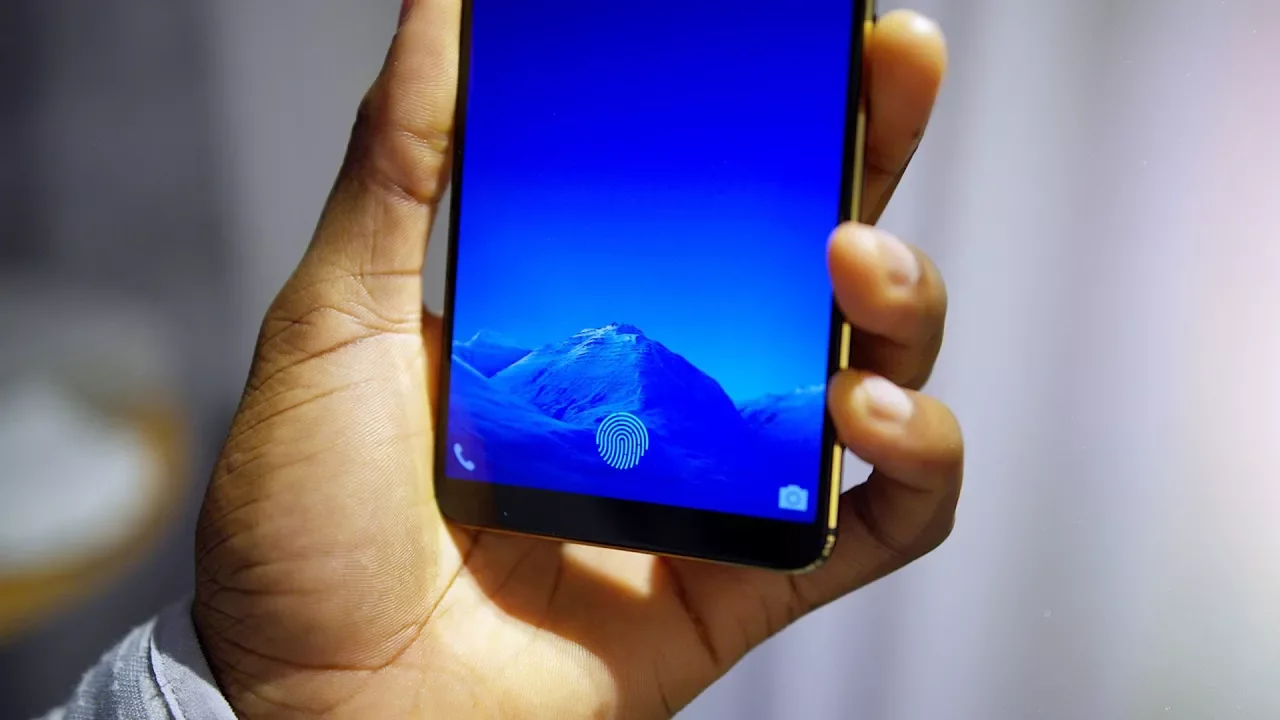
The In-Glass Fingerprint Reader: Explained!
0 up · 0 down · 0 ratings
Promos
You haven't seen a fingerprint reader like this. Yet. MKBHD Merch: shop.mkbhd.com Video Gear I use: kit.com Tech I'm using right now: amazon.com Intro Track: To Be Young by Fashawn ~ twitter.com snapchat.com google.com @MKBHD @MKBHD
The video explains a groundbreaking fingerprint reader technology that works through the display glass on an OLED screen. It starts by demonstrating how you can unlock a phone by placing a finger on a sensor that is beneath the glass, leveraging an optical CMOS sensor and an under-glass fingerprint reader called the fs9500 from Synaptics. The host notes that for this to function, the device must be OLED and illuminate the fingerprint so the reflection can be read through the glass, with a guiding indicator light showing the correct placement. He compares this first-generation solution to existing Touch ID and Face ID, highlighting that it is faster than Face ID but slower than traditional fingerprint readers, and explains that the sensor could theoretically be located anywhere on the display in future iterations. The discussion then shifts to design implications, suggesting the technology could enable bezel-less phones by integrating the fingerprint reader across larger portions of the display, not just a small rectangle in the middle. The video concludes with a forward-looking view of how this could evolve into a future where simply touching any part of the screen unlocks the device, and notes the current generation while remaining optimistic about faster and more refined versions to come in the near future.
Topics · technology · mobile devices · biometrics · display technology · smartphones
Questions answered
- What makes the in-glass fingerprint reader possible on OLED displays?
- It relies on an optical CMOS sensor under the glass and requires the screen to be OLED so the fingerprint can be illuminated and reflected back to the sensor.
- How does the first generation of this technology compare to existing biometrics?
- It is faster than Face ID but slower than traditional Touch ID, marking a first generation step toward more integrated display-based biometric authentication.