The City, Levelling Up & £700billion - Gary on Politics Live
0 up · 0 down · 0 ratings
Channels and socials
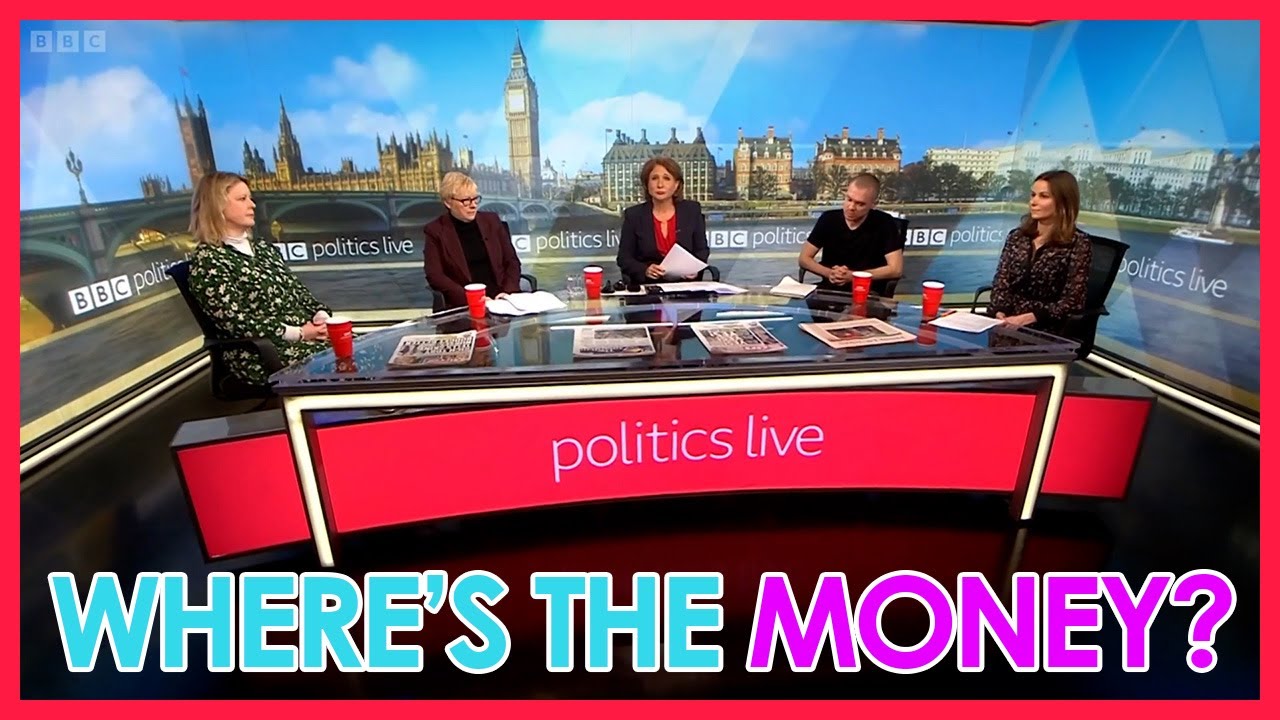
Topic Introductions and Gary's Opinion Segments only - for other panelists response please visit iPlayer for the full episode (details below) Hosted by Jo Coburn & Featuring Nickie Aikin, Angela Eagle, Annabelle Denham & Gary Stevenson Is taxing multimillionaires more the way to save the economy? And what role should unpaid care play in looking after the elderly, ill and disabled? Broadcast 19/01/2023 & uploaded with permission from the BBC (Available for UK users on BBC iPlayer - click links below) bbc.co.uk SUBSCRIBE, SHARE & START A CONVERSATION SOCIAL MEDIA: WEBSITE - wealtheconomics.org TWITTER - @garyseconomics FACEBOOK - @garyseconomics INSTAGRAM - @garyseconomics TIKTOK - @garyseconomics Spoken by Gary Stevenson GARYSECONOMICS Uploaded by Simran Mohan MOHAN MEDIA TIMESTAMPS 00:00 - Intro 01:43 - Grey Hair Jokes in the City 03:23 - King Charles Wealth 05:40 - Increasing Inequality 07:14 - Taxation 10:30 - Falling Living Standards 12:50 - Levelling Up 14:15 - Lab Grown Meat
The episode centers Gary Stevenson and his analysis of the UK economy, focusing on how wealth concentration interacts with policy aims like levelling up and pandemic-era spending. Early discussion frames the £700 billion figure as a potential transfer to the wealthiest in society, with Gary arguing that without proper analysis of where the money ends up, such largesse tends to inflate living costs and exacerbate inequality. He recalls his background as a city trader to illustrate how economic incentives shape policy outcomes, and he ties those incentives to British public finance, arguing that the level of wealth disparity has grown sharply since the covid lockdowns. The segment on levelling up challenges the idea that funds distributed to local councils automatically translate into improved outcomes for poorer communities, suggesting that money often fails to reach the intended beneficiaries and that private-sector financing might be more effective for certain projects. The discussion later pivots to lab-grown meat as an example of how policy and regulation interact with technological innovation, with Annabelle Denham presenting research from the Institute of Economic Affairs and the panel debating whether deregulation could aid environmental and economic goals. The programme also tackles the role of taxation and wealth equality, with Gary calling for structural reforms while panelists reflect on political constraints and the trade-offs of higher taxes versus economic growth. In closing, Gary emphasizes the need for clearer accountability on the £700 billion, and the group acknowledges that balancing growth, inflation, and public spending requires careful, evidence-based policy choices rather than broad promises about achievement or redistribution alone.
Topics · politics · economics · public-finance · inequality · taxation · levelling-up · policy-analysis · uk-economy
Questions answered
- What is the main concern about the £700 billion mentioned in the discussion?
- The concern is that without a transparent analysis of where the money ends up, large pandemic-era subsidies disproportionately benefit the richest and may fuel inflation and inequality.
- What policy changes does Gary advocate to address wealth concentration?
- Gary advocates for stronger redistribution measures including aligning capital gains with income tax, closing loopholes, addressing offshore tax evasion, and pursuing international cooperation on profit shifting.
- Why is levelling up criticized in the dialogue?
- The critique is that the funds allocated through the levelling up program are relatively small in comparison to the scale of inequality and often reach poorer areas in ways that may not transform outcomes, sometimes appearing as politically motivated rather than market-backed investments.
- What is the panel's stance on lab-grown meat discussed on the show?
- The panel views lab-grown meat as an environmentally friendly potential future option but stresses that regulatory and technical hurdles remain and that deregulation should not distract from addressing broader economic problems.