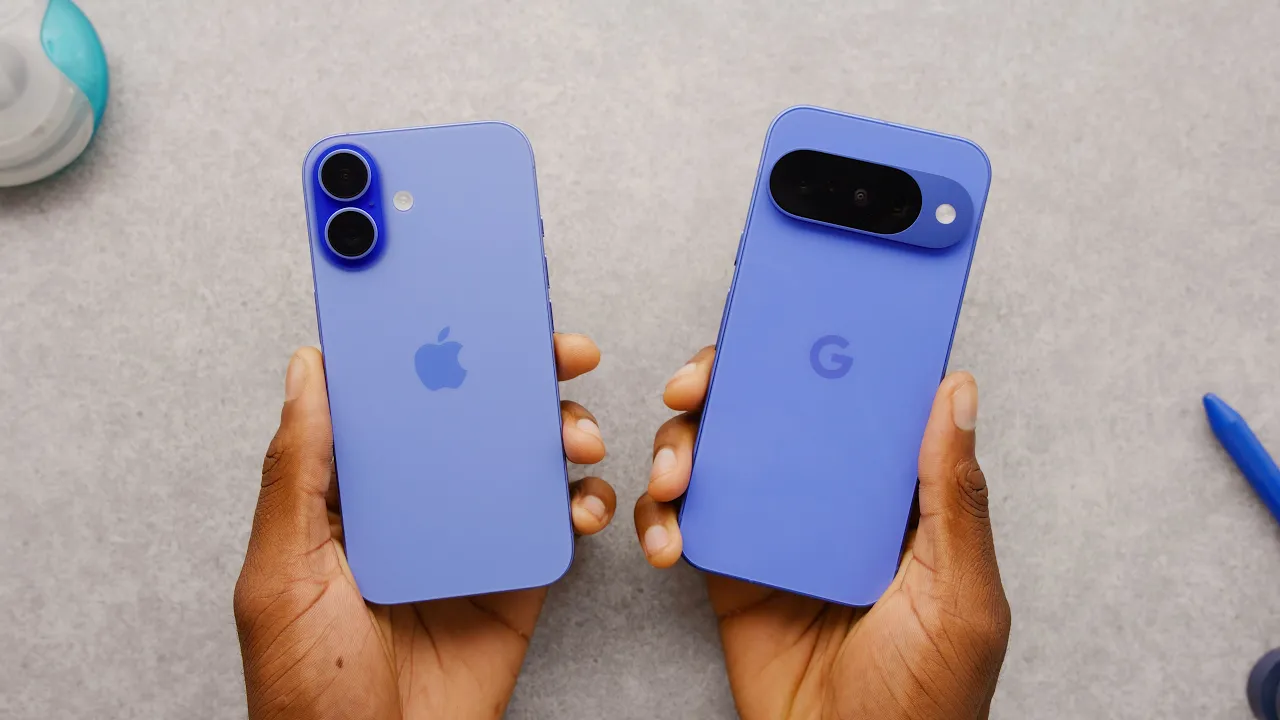
Switching from iPhone to Android
0 up · 0 down · 0 ratings
Promos
That terrible Google event and the battle of switching cost... Blue Bubbles vs Green Bubbles: youtu.be MKBHD Merch: shop.mkbhd.com Playlist of MKBHD Intro music: goo.gl ~ twitter.com @MKBHD @MKBHD
The video analyzes the concept of switching costs in the smartphone market, using the ongoing competition between iPhone and Android as a case study. It references a recent Google event and highlights how both sides attempt to reduce barriers to switching by offering familiar or equivalent experiences on the opposite platform. The discussion centers on real user frictions such as Face ID versus Pixel face unlock, compatibility with existing accessories, and ecosystem lock-in including messaging and app ecosystems. The host emphasizes the role of features that bind users to an ecosystem, such as Apple’s iMessage and Google's interoperable approaches, and how these choices shape consumer behavior and brand loyalty. By examining examples like journal apps and MagSafe-like accessories, the video argues that firms increasingly compete on minimizing switching costs to win over both first-time buyers and existing switchers. The overall takeaway is that while new hardware capabilities matter, the strategic battle over ease of switching and ecosystem lock-in often determines long-term user retention and platform dominance. The video also teases upcoming Pixel 10 series reviews and hints at broader industry dynamics shaping who wins in the mobile market. Finally, it suggests that interoperability and cross-platform features are moving the industry toward a more connected and less fragmented landscape, even as consumers weigh personal preferences and brand loyalty.
Topics · technology · mobile devices · consumer electronics · ecosystem · interoperability
Questions answered
- What is the central idea behind switching costs in smartphones?
- Switching costs are the frictions, efforts, and investments,such as learning a new OS, losing access to familiar apps, and ecosystem lock-in,that make it harder for users to switch from one platform to another.
- How do manufacturers try to reduce switching costs?
- They introduce interoperable features and equivalent experiences on competing platforms, for example similar journaling apps, accessory ecosystems like MagSafe or Pixel equivalents, and cross-platform messaging improvements to lessen the pain of switching.