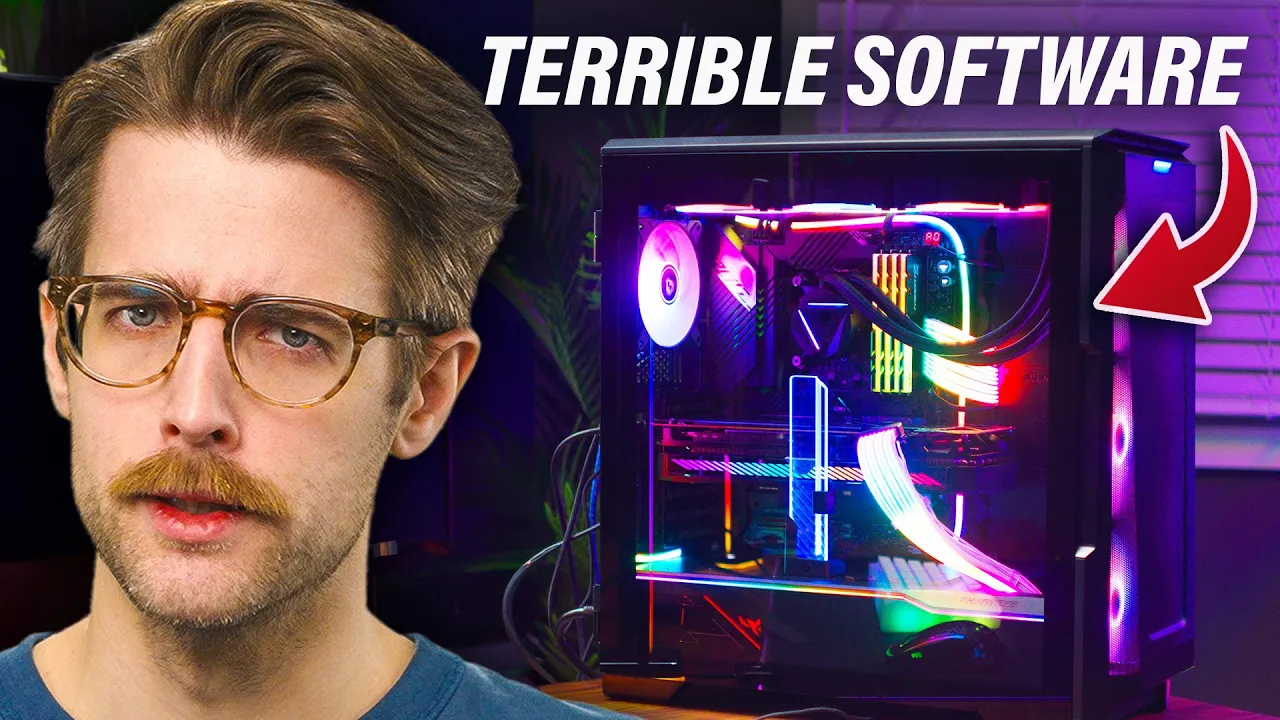
Windows is Killing Terrible RGB Software
0 up · 0 down · 0 ratings
Promos
Check out some Spring time savings on now at iFixit! Head over to ifix.gd Learn about the Dynamic Lighting feature in Windows, and how it can replace third-party RGB control apps. Leave a reply with your requests for future episodes. ► GET MERCH: lttstore.com ► GET EXCLUSIVE CONTENT ON FLOATPLANE: lmg.gg ► SPONSORS, AFFILIATES, AND PARTNERS: lmg.gg FOLLOW US ELSEWHERE --------------------------------------------------- Twitter: twitter.com Facebook: @LinusTech Instagram: @linustech TikTok: @linustech Twitch: twitch.tv
The video examines how RGB lighting across PC hardware has grown from a niche feature into a widespread customization option, and it argues that managing numerous RGB ecosystems is both cumbersome and error prone. It explains that Windows 11 introduced Dynamic Lighting, an official, centralized solution that uses the HID lamp array standard to control LEDs and peripherals from one place, potentially replacing many vendor specific apps. The host walks through how Dynamic Lighting works, including how it can honor foreground apps and game synchronized effects, and notes that devices must support the standard via firmware or a VHF driver. The discussion also covers practical outcomes, such as reduced software clutter on the system and the benefit of manufacturers focusing on hardware quality rather than bespoke firmware, while acknowledging that color consistency across different brands remains a challenge. The video stresses that broad industry support from major manufacturers is already underway, with several big names onboard, and suggests the standard should lead to easier, more reliable RGB control for everyday users who may not have elaborate setups. In conclusion, while Dynamic Lighting promises a more unified approach to RGB management and smoother cross device integration, its success depends on vendor adoption and ongoing refinement of color consistency and feature parity across devices.
Topics · technology · hardware · software · operating-systems