Intel Ivy Bridge 3rd Generation Processors CPU 3770K & 3570K Performance Review Linus Tech Tips
0 up · 0 down · 0 ratings
Description
CA: ncix.com US: us.ncix.com Ivy Bridge is Intel's latest architecture based on their all-new 22nm manufacturing process. Watch the video to find out how these new processors perform compared to their competition from AMD's Bulldozer FX-8150 and Intel's own last generation 2600K and 2500K. I also throw in results from the LGA2011 Core i7 3930K.
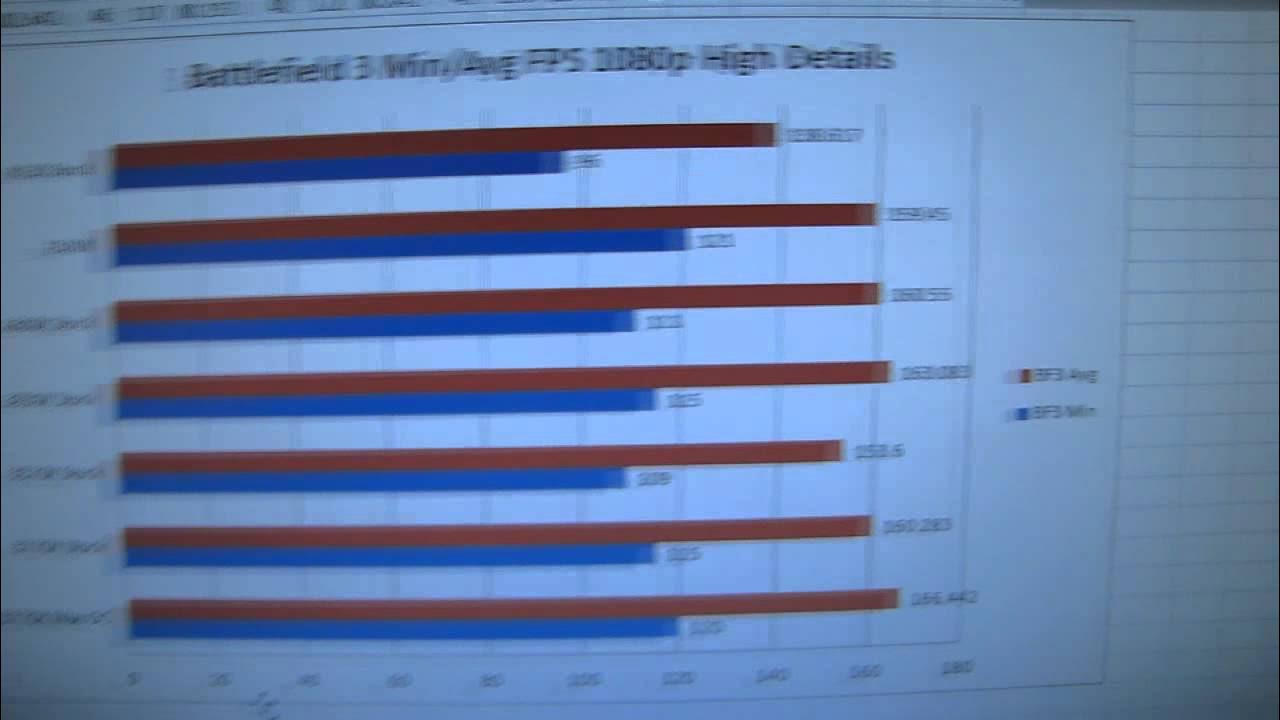
This video provides a comprehensive overview of Intel Ivy Bridge, focusing on the 3770K and 3570K CPUs and how their performance stacks up against Sandy Bridge, AMD FX, and higher-end cores like the 3930K. The presenter begins by outlining the Ivy Bridge lineup, explaining naming conventions such as K for unlocked overclocking, and the implications of model numbers like 2500K versus 4000 series integrated graphics. He demonstrates practical overclocking results, noting that the 3770K can reach around 4.6 GHz on air cooling and remains stable, which frames the discussion around 22nm manufacturing, IPC improvements, and power/thermals considerations. The video then covers a series of synthetic and real-world benchmarks, including PCMark 7, Cinebench, and Battlefield 3, highlighting how core count and frequency influence scores in single-threaded versus multi-threaded workloads. Across tests, Ivy Bridge generally outperforms its Sandy Bridge predecessors by about 10% in many scenarios, with notable gains in multi-core efficiency shown by the 3930K and the 3770K at maximum overclock. The wrap-up emphasizes key takeaways: Ivy Bridge offers better performance and overclocking headroom, improved onboard graphics with HD 4000, and PCIe 3.0 support on Z77 platforms, all contributing to a balanced upgrade proposition for mainstream and enthusiast builders. The conclusion caps a thorough performance overview, noting that while the gains are real, real-world benefits depend on workload type, cooling, and the rest of the system configuration.
Topics · technology · hardware · cpu-perfomance
Questions answered
- What are the key design differences Ivy Bridge introduced over Sandy Bridge?
- Ivy Bridge uses a 22nm process, offers improved IPC, better overclocking potential, and enhanced onboard graphics with HD 4000, along with PCIe 3.0 on Z77 platforms.
- Which Ivy Bridge model delivered the best performance in the tests, and under what conditions?
- The 3770K achieved the best performance, especially when overclocked to 4.6 GHz, with strong multi-threaded results and high overall scores in synthetic benchmarks and gaming tests.