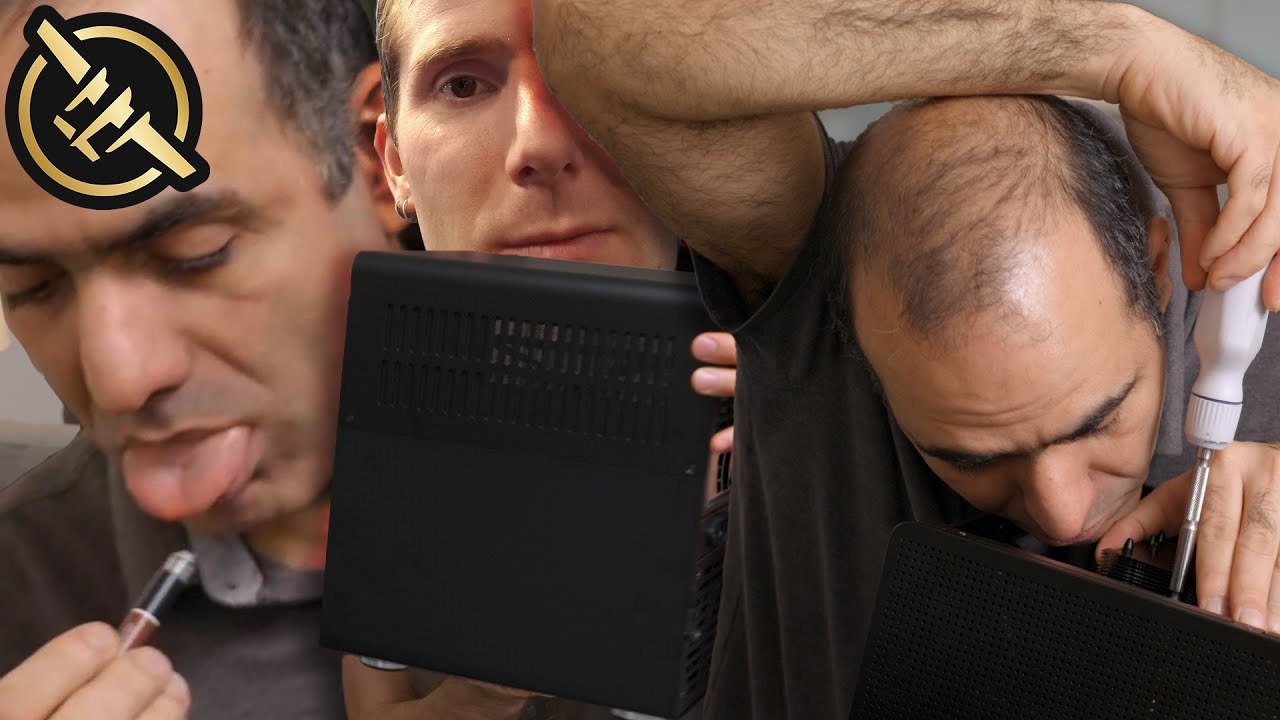
FP Exclusive: Extras - ElectroBOOM Tech Upgrade (Part 1)
0 up · 0 down · 0 ratings
Description
Thank you for your support!
Promos
Check out Floatplane for more benefits at lmg.gg ► GET MERCH: lttstore.com ► LTX: lmg.gg ► SPONSORS, AFFILIATES, AND PARTNERS: lmg.gg ► OUR WAN PODCAST GEAR: lmg.gg FOLLOW US --------------------------------------------------- Twitter: twitter.com Facebook: @LinusTech Instagram: @linustech TikTok: @linustech Twitch: twitch.tv
The video is titled FP Exclusive: Extras - ElectroBOOM Tech Upgrade (Part 1) and immediately signals a special, possibly collaborative, technical upgrade focused on electronics. Viewers can expect an in-depth look at a hardware modification project that combines practical electronics work with experimental testing. The opening segment likely sets the stage for what the upgrade aims to achieve, including a high level overview of the components involved and the rationale behind choosing ElectroBOOM as a reference or collaborator. The host may outline the scope of the upgrade, what counts as an “extras” or bonus segment, and how this part will feed into a larger multi-part series. Overall, the tone is instructional, with a focus on hands-on application rather than purely theoretical discussion. In the second segment, the video probably walks through the design considerations behind the upgrade, such as power management, safety features, and reliability improvements. Expect careful reasoning about why certain components were selected, what constraints shaped the solution, and references to common pitfalls in high‑power electronics projects. The presenter may provide sketches, diagrams, or demonstrations of how the upgrade is implemented step by step, emphasizing reproducibility and real-world practicality. Viewers are guided through decision points and tradeoffs, with explicit notes on expected outcomes versus potential risks. The middle portion of the video is likely devoted to build and assembly, including live soldering, wiring, and integration with existing systems. The host could show measurements and instrumentation setups used to verify performance, such as voltage rails, current draws, and thermal behavior under typical loads. This section often includes tips for safety, such as proper isolation, PPE usage, and precautions when dealing with energized circuits. Concrete milestones, like achieving a target voltage or stabilizing a heat profile, are typically highlighted as benchmarks to track progress. A subsequent segment probably covers initial test runs and calibration, where the upgraded system is exercised under controlled conditions. Viewers can expect before-and-after comparisons that illustrate the impact of the upgrade on efficiency, response time, or output quality. The host may troubleshoot early issues, explain how adjustments were made, and describe how measurement data informs further refinements. This part typically reinforces the importance of methodical testing and documentation in complex electronics projects. The next section likely dives into practical demonstrations of the upgraded system in action, with real-world use cases or scenarios that showcase the benefits of the tech upgrade. Expect demonstrations that reveal improved performance metrics, such as steadier outputs, reduced noise, or faster response in dynamic tasks. The presenter may annotate the video with on-screen readouts, graphs, or color-coded indicators to help viewers quantify the gains. This portion closes with a synthesized view of what the upgrade achieves so far and what remains to be addressed in subsequent parts. In the closing portion, the video typically reflects on lessons learned during the upgrade process, including what worked well and what did not. The host may summarize key takeaways, highlight critical safety considerations, and offer recommendations for viewers attempting similar projects. The teaser for Part 2 is often included, outlining upcoming tests, additional components to address, and new objectives. The overall message is one of collaboration, continuous improvement, and practical engineering that fans can replicate with appropriate caution. The video ends with a recap of the main benefits introduced by the upgrade and a nod to future installments in the series. Viewers are encouraged to engage with the project, share outcomes from their own builds, and look forward to deeper dives into related electronics topics. The closing statements reinforce a spirit of hands-on learning, experimentation, and transparent documentation so that enthusiasts can follow along and build upon the presented work.
Topics · science · technology · education · engineering