Dude, Where's My Electric Car?
0 up · 0 down · 0 ratings
Promos
The first 200 people who head to brilliant.org will get 20% off their annual premium subscription of Brilliant. Why aren't electric cars more common? Techquickie Merch Store: lttstore.com Follow: twitter.com Join the community: linustechtips.com Leave a reply with your requests for future episodes, or tweet them here: twitter.com
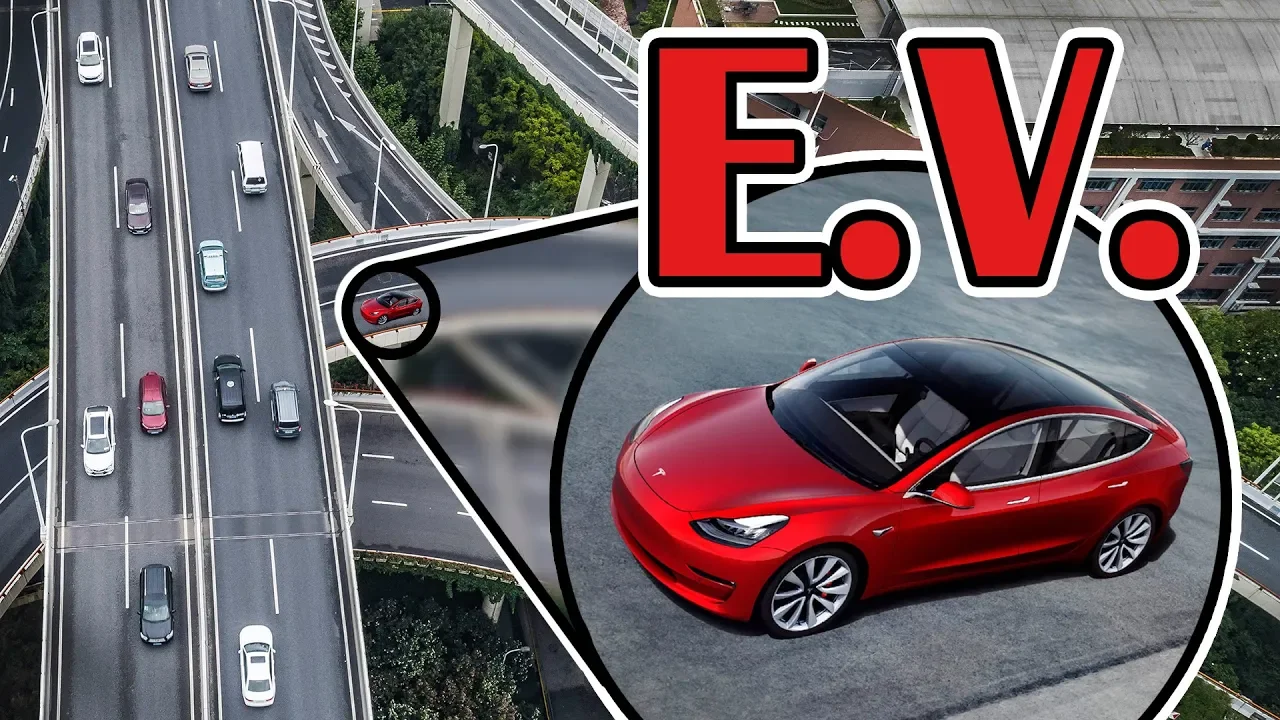
Paragraph 1: The video opens by noting the surge of attention around electric cars and acknowledges that while EVs are now commonly available at local dealerships, the reality of widespread adoption lags behind media hype. It explains that despite lower operating costs relative to gasoline, the higher upfront price of EVs creates sticker shock for many buyers. The host breaks down the components behind high initial costs, including research and development, battery production, and the need to recoup investments after years of building the EV market. The segment also points out that batteries require rare materials sourced from various regions, sometimes in politically unstable areas, which further raises price and supply risk. The overall message is that EVs are not just a product shift but a large systemic change that affects pricing, manufacturing, and consumer perception, setting up the discussion for deeper barriers to adoption.
Topics · science and technology · automotive · energy and environment · consumer tech
Questions answered
- Why are electric cars generally more expensive upfront than traditional gasoline cars?
- Electric cars have higher upfront costs primarily due to advanced battery technology, extensive research and development, and costs associated with ramping up manufacturing. Batteries are large, heavy, and rely on materials that require complex supply chains, which can raise the price compared to internal combustion engine components.
- What factors affect the practicality of owning an EV on long road trips?
- Key factors include battery range limited by the model, charging infrastructure availability, and the time needed to recharge. While charging is improving, charging times are still longer than filling a gas tank, and fewer charging stations can create planning constraints for long trips.