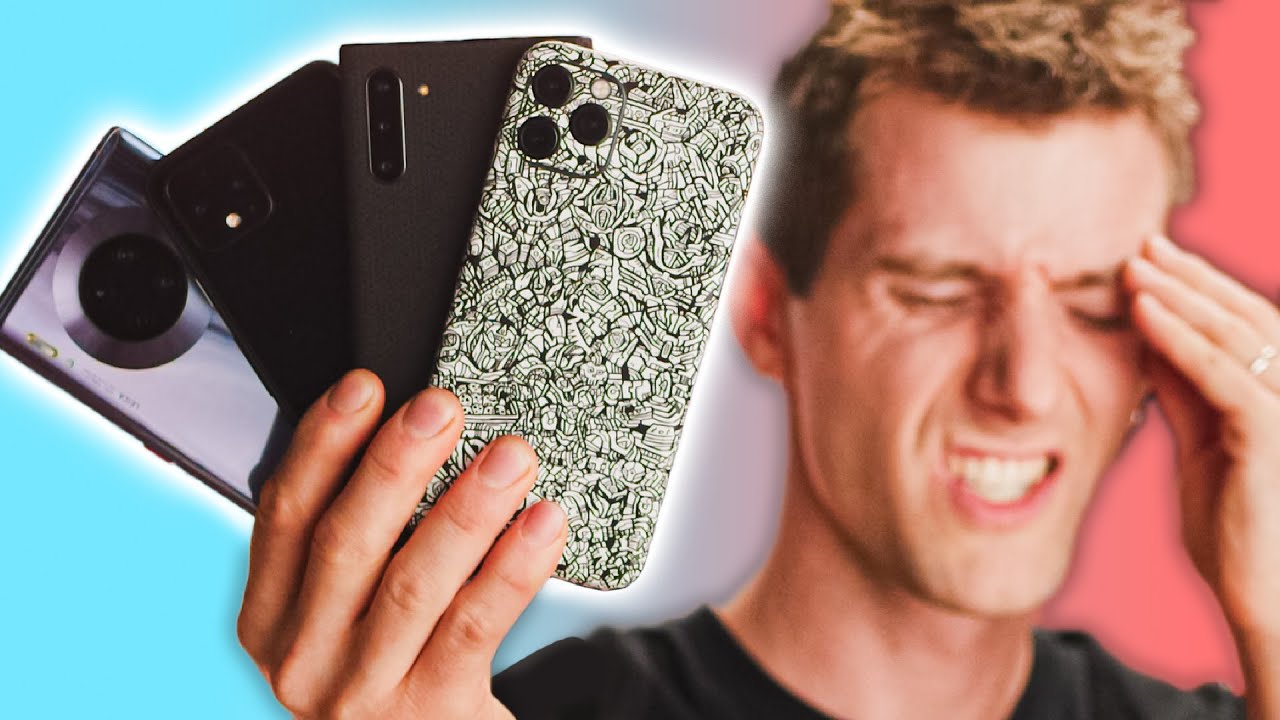
I was WRONG about the iPhone 11 Pro Camera... - Smartphone Camera Showdown
0 up · 0 down · 0 ratings
Promos
Get an unrestricted 30-day free trial of FreshBooks at freshbooks.com Monitor and manage your PC in real-time with Pulseway! Create your free account today at lmg.gg Is Apple's Deep Fusion technology REALLY that big of a difference maker? We wanted to find out for sure... Buy Google Pixel 4 on Amazon (PAID LINK): geni.us Buy iPhone 11 on Amazon (PAID LINK): geni.us Buy Samsung Note10 on Amazon (PAID LINK): geni.us Buy Huawei Mate 30 Pro on Amazon (PAID LINK): geni.us Purchases made through some store links may provide some compensation to Linus Media Group. Discuss on the forum: linustechtips.com Our Affiliates, Referral Programs, and Sponsors: lmg.gg Get a Displate Metal Print at lmg.gg Get a 30-day free trial of Amazon Prime at lmg.gg Linus Tech Tips merchandise at lttstore.com Our Test Benches on Amazon: amazon.com Our production gear: geni.us Twitter - twitter.com Facebook - @LinusTech Instagram - @linustech Twitch - twitch.tv Intro Screen Music Credit: Title: Laszlo - Supernova Video Link: youtube.com iTunes Download Link: itunes.apple.com Artist Link: soundcloud.com Outro Screen Music Credit: Approaching Nirvana - Sugar High youtube.com
The video revisits the long running camera showdown between the iPhone 11 Pro and competing flagship phones, focusing on Apples Deep Fusion feature and whether it actually changes real-world photo quality. The host explains how Deep Fusion buffers multiple exposures in the background, blends short and long exposure frames, and produces a synthetic reference frame that improves detail and texture without obvious sharpening artifacts. In side-by-side tests, the iPhone 11 Pro is pitted against the Google Pixel 4, Samsung Note 10, Huawei Mate 30 Pro, and others, across challenging lighting scenarios from dim restaurants to daylight outdoor scenes. The results show that Deep Fusion can deliver noticeable gains in texture, sky detail, and edge fidelity in many cases, but not always dramatically overturning the competition, especially when viewing modern smartphones under good light. The host emphasizes that image quality often hinges on aesthetic processing choices and consistency, not just technical sharpness, and concludes that while the iPhone can be superb, it is not universally superior in every situation. In the final assessment, the video concedes that the Pixel 4 and others hold their own in many circumstances, and that for most consumers the “best” camera is the one that consistently yields pleasing results, rather than a few standout frames. The host ends by acknowledging a prior misjudgment about the iPhone’s camera and reiterating that expectations should factor in everyday use and consistency across varied scenes, not just isolated shots.
Topics · technology · smartphones · camera_technology · product_reviews
Questions answered
- What makes Deep Fusion different from standard HDR or multi-shot processing in iPhone cameras?
- Deep Fusion buffers multiple exposure shots in the background, creates a reference frame by blending short exposures with a final long exposure, and then processes the result pixel by pixel to enhance texture and detail while reducing sharpening artifacts.
- Does the iPhone 11 Pro consistently beat other phones across all lighting conditions?
- No, the advantage is not universal. In good light many modern phones perform exceptionally well, and the iPhone’s edge tends to be more apparent in challenging lighting or when aiming for consistent texture and color across changing scenes.
- What is one key takeaway from the video about consumer expectations for smartphone cameras?
- The best camera for most people is one that delivers pleasing, consistent results across a variety of scenes, not just the best single shot in a specific scenario.