The SMALLEST No-Compromises Laptop - GPD P2 Max Ultrabook
0 up · 0 down · 0 ratings
Promos
The Netbook may not be defunct just yet... at least if you see what GPD has to offer! Check the GPD P2 Max out on Indiegogo: lmg.gg Buy other GPD products on Amazon: lmg.gg Discuss on the forum: linustechtips.com Our Affiliates, Referral Programs, and Sponsors: linustechtips.com Get Private Internet Access today at geni.us Displate metal posters: lmg.gg Linus Tech Tips merchandise at lttstore.com Linus Tech Tips posters at crowdmade.com Our Test Benches on Amazon: amazon.com Our production gear: geni.us Twitter - twitter.com Facebook - @LinusTech Instagram - @linustech Twitch - twitch.tv Intro Screen Music Credit: Title: Laszlo - Supernova Video Link: youtube.com iTunes Download Link: itunes.apple.com Artist Link: soundcloud.com Outro Screen Music Credit: Approaching Nirvana - Sugar High youtube.com
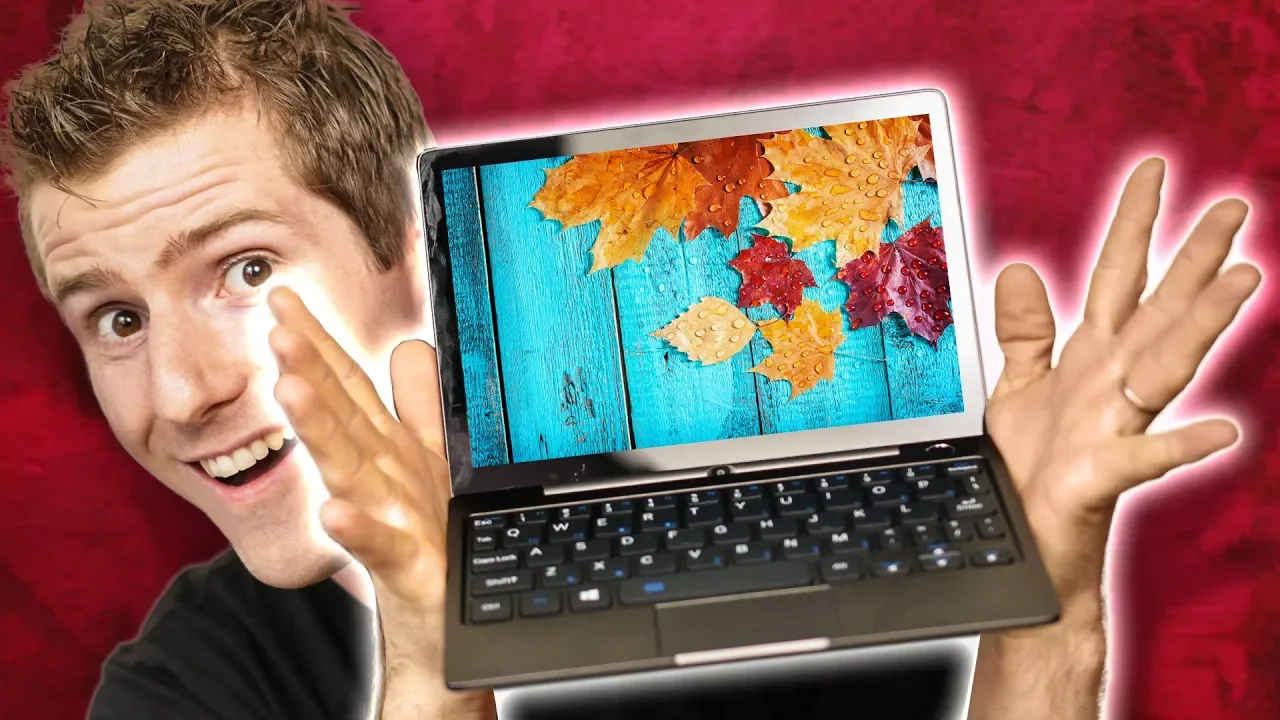
The GPD P2 Max Ultrabook is presented as the closest thing to a truly portable full‑functioning laptop in GPD’s lineup, featuring an 8.9 inch touchscreen display, up to 16 GB of LPDDR3 RAM, and a compact 650 gram chassis. The host explains that while the device is small, the display’s 16:10 aspect ratio makes the screen feel larger and helps reduce scrolling, which improves readability and overall usability in everyday tasks. He compares the layout to other compact devices, noting that the keyboard is surprisingly balanced for a small form factor, with better key spacing and a more usable row of arrow keys, though the trackpad remains a notable weak point. The I/O footprint is robust for its size, including full‑size USB Type‑A ports, USB‑C, HDMI, Gigabit Ethernet, and microSD, allowing for practical expansion without excessive dongles. Performance on battery and cooling is discussed in the context of a dual‑core, hyper‑threaded CPU with a Turbo capable M3‑8100Y, which enables responsive day‑to‑day use, light editing, and even some gaming and in‑home streaming. The reviewer concludes that the P2 Max is the most usable GPD device to date, balancing portability with real productivity, albeit with compromises such as the trackpad and some build quirks, while noting the device’s price point around $700 during Indiegogo. In practice, the P2 Max demonstrates that a sub‑1.0 kg ultrabook can still deliver practical performance for light photo editing, web browsing, and multitasking with a reasonably snappy NVMe boot drive connected via PCIe Gen3 x4. The speaker highlights that the GPU/CPU turbo behavior, while not on par with larger ultrabooks, provides enough headroom for responsive experiences in common tasks and even some modern gaming at native resolution on the device. The display resolution of 2560x1600 on a compact panel yields crisp image quality and strong visual detail, with 4K YouTube playback looking surprisingly sharp on such a small screen. Connectivity through high‑speed Wi‑Fi ensures fast downloads and smooth cloud syncing, helping to justify its role as a portable productivity and media‑consumption device. Battery life is framed around balance rather than endurance, given the 35 Wh pack and the device’s aggressive cooling, which may still be audible under load. The overall verdict positions the GPD P2 Max as a bold, usable step forward for ultra‑compact Windows laptops, offering a unique blend of portability and capability that may appeal to travelers, students, and early adopters despite the necessary adjustments to typing habits and expectations. The reviewer also surveys practical usage scenarios, noting that the device can handle light creative work and in‑home streaming, making it a competent companion for on‑the‑go productivity. While it can run productivity apps and some content creation tasks, it is not meant to replace a larger, more capable workstation. The device’s premium feel comes from a sturdy unibody aluminum build and an emphasis on minimizing weight while maximizing portability. The audience is reminded of the context that this is a specialized device aimed at enthusiasts who value portability and novelty, rather than a mainstream replacement for larger laptops. In closing, the P2 Max is praised for achieving a rare combination of portability and usable performance, with caveats about the trackpad quality, fan noise on first boot, and the price point, which is seen as reasonable for the capabilities offered.
Topics · hardware reviews · ultrabooks · portable computing · gaming · technology
Questions answered
- What makes the GPD P2 Max stand out among compact laptops?
- The P2 Max stands out due to its 8.9 inch 16:10 display, lightweight 650 gram chassis, full size USB A and USB C ports, and a high‑resolution screen that feels larger than its size, combined with usable keyboard layout and surprisingly capable performance for a sub‑$700 ultra‑compact device.
- How does the keyboard and trackpad fare on the P2 Max?
- The keyboard is generally well spaced for a compact device, with better row and key spacing than expected, while the trackpad is considered the weakest point, offering usable but imperfect accuracy and occasional cursor drift during clicks.
- What are typical use cases demonstrated for the P2 Max?
- Typical use cases include light photo editing, web browsing, content streaming, and cloud syncing, with enough CPU/GPU headroom to run some games and perform light video editing, especially when using the device for on‑the‑go productivity.
- Is the P2 Max good value for its price?
- Yes, given its combination of portability, build quality, display quality, and practical performance, the device is considered reasonably priced for the capabilities it delivers, though adjustments to typing habits and expectations are advised.