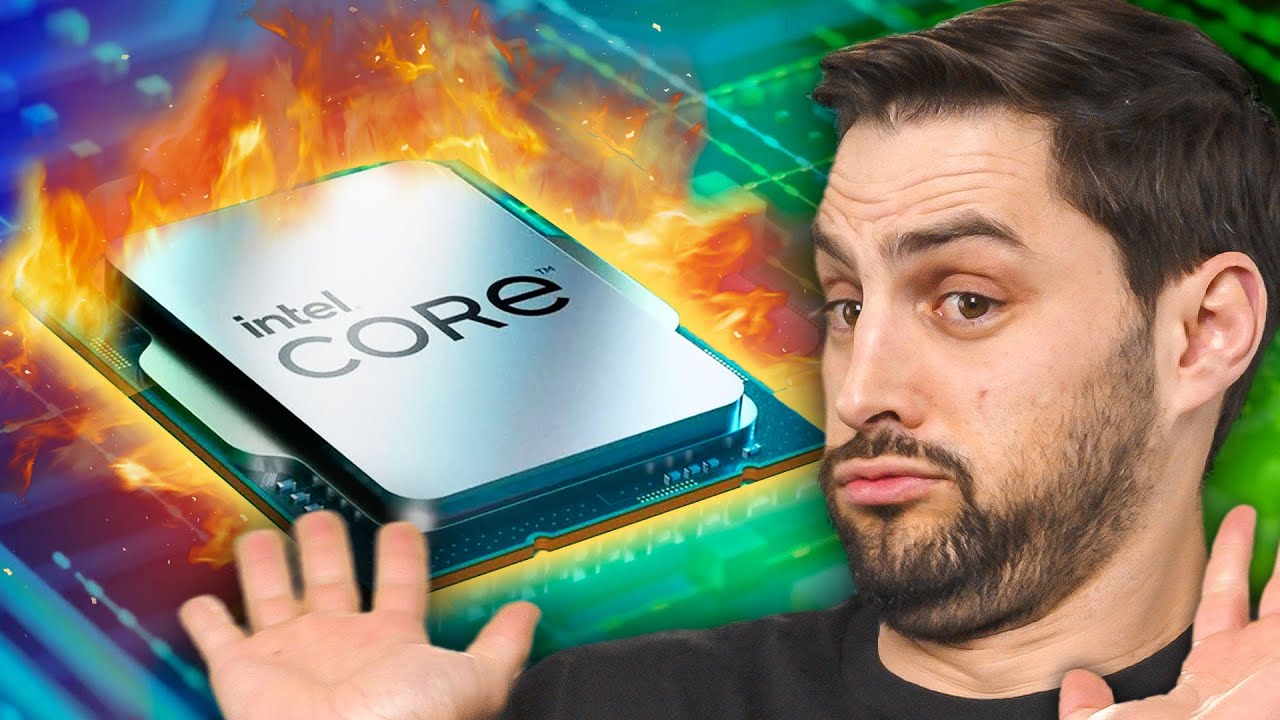
Intel: “It Wasn’t Me”
0 up · 0 down · 0 ratings
Promos
Check out the Sharge Disk at bit.ly today! ► GET MERCH: lttstore.com ► GET EXCLUSIVE CONTENT ON FLOATPLANE: lmg.gg ► LISTEN TO THE TECH NEWS: lmg.gg ► SPONSORS, AFFILIATES, AND PARTNERS: lmg.gg ► OUR PODCAST GEAR: lmg.gg NEWS SOURCES: lmg.gg --------------------------------------------------- Timestamps: 0:00 James is having a moment 0:11 Intel blames board partners 1:21 MSI Radeon GPUs gone 2:30 Meta NSFW ads, bad ad tools 4:41 QUICK BITS INTRO 4:48 Altman join federal AI board 5:17 AMD's cancelled 8900 XTX 6:04 iPadOS a "gatekeeper" 6:34 Vision Pro 2 pushed to 2026 7:11 Autonomous race cars are bad FOLLOW US ELSEWHERE --------------------------------------------------- Twitter: twitter.com Instagram: @TechLinkedYT Facebook: @TechLinked TikTok: @techlinkedyt
The video begins by outlining Intel's stance on stability issues with high-end 13th and 14th generation CPUs, highlighting Intel's claim that motherboard manufacturers are at fault for the variability users see in practice. The discussion notes that several motherboard makers, including MSI and Asus, shipped boards with default or unlocked settings that allow CPUs to draw power well beyond official specifications, which raises questions about where responsibility lies for product reliability. The host points out that Intel has historically provided a broad range of recommended settings to board partners, and branding these boards as officially within spec while still enabling aggressive power delivery creates a mixed message about who bears the risk. The segment also references public statements and coverage from sources like Igor’s Lab to anchor the claim that Intel may have prioritized marketing tests on specific boards, potentially overlooking the real-world consequences on silicon longevity. Overall, the piece emphasizes a tension between Intel’s marketing narrative and the hardware ecosystem’s actions, suggesting that the fault lines extend across the supply chain and that consumer experiences with throttling, instability, or premature degradation may reflect a broader systemic problem rather than a single culprit. In the second part of the video, the host shifts to a broader set of tech industry updates, including MSI’s unexpected stance on AMD Radeon GPUs and what that signals about vendor relationships and market dynamics. The report cites multiple angles, from store listings disappearing globally to MSI's public statements about focusing on Nvidia RTX cards and ongoing collaboration with AMD on other hardware like motherboards. The segment then covers Meta’s ad platform challenges, including unsafe-for-work AI girlfriend ads, and Apple’s regulatory maneuvering around iPadOS as a gatekeeper platform in the EU, which influences how third-party app stores and AI tools can operate. Further, the discussion touches on Vision Pro product timing, which is now reportedly pushed to late 2026, and contrasts this with other industry stories about AI safety boards and autonomous vehicle demonstrations, painting a landscape of rapid strategic shifts, regulatory pressure, and ongoing debates about efficiency, pricing, and real-world viability of new tech releases.
Topics · technology · computing · industry-news · hardware
Questions answered
- What is Intel blaming for stability issues with 13th and 14th gen CPUs?
- Intel is blaming motherboard manufacturers for stability issues, suggesting that board partners enabled settings that let CPUs draw excessive power.
- What happened with MSI Radeon GPUs according to the video?
- MSI reportedly stopped releasing AMD Radeon GPUs and seemed to shift focus to Nvidia RTX cards, with statements indicating continued collaboration with AMD on other hardware.
- When is Apple reportedly releasing Vision Pro 2, and what does the source say about its timing?
- Vision Pro 2 is reportedly pushed to late 2026, according to Mark Gurman, amid broader regulatory and market context.