AMD Better Watch Out
0 up · 0 down · 0 ratings
Description
Sign up with the following link for a free 30-day trial of OpManager Nexus: lmg.gg NEWS SOURCES: lmg.gg ► SHOP OUR PRODUCTS: lttstore.com ► GET EXCLUSIVE CONTENT ON FLOATPLANE: lmg.gg ► GET A VPN: piavpn.com ► LISTEN TO THE TECH NEWS: lmg.gg ► DIVE DEEPER ON THE LTT LABS WEBSITE: lmg.gg ► SPONSORS, AFFILIATES, AND PARTNERS: lmg.gg ► OUR PODCAST GEAR: lmg.gg --------------------------------------------------- Timestamps: 0:00 Intel Unveils Arc G3 1:20 Qualcomm’s Snapdragon C 2:30 New Website Tracking Technique 4:18 QUICK BITS INTRO 4:32 Steam Deck Sells Out 5:05 Wikipedia Editors Threatening Strike 5:34 NASA’s Proposed Moon Base 6:10 Illinois Legislature’s New AI Safety Bill 6:34 Ferrari’s New EV
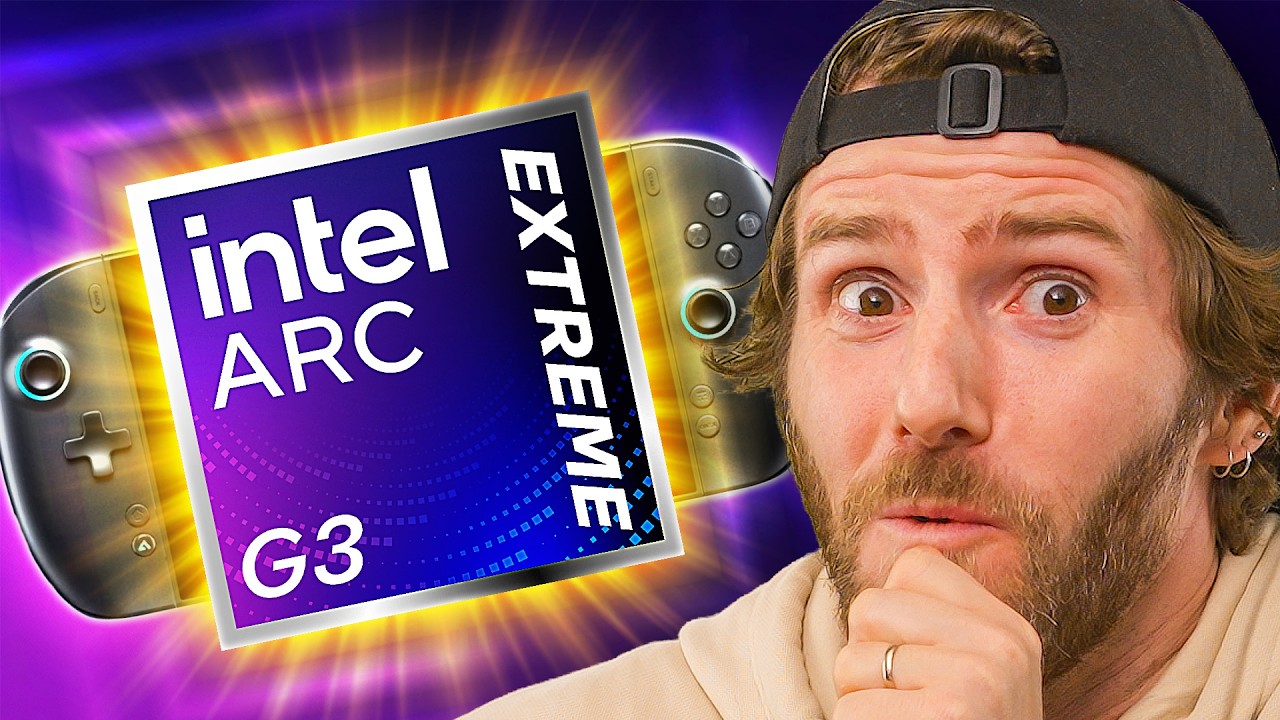
The video opens with a focus on Intel stepping into the handheld gaming arena with two new chips, the Arc G3 and Arc G3 Extreme, designed specifically for portable form factors. Linus explains that these chips are built on Panther Lake and are aimed at competing with AMD's Ryzen Z series in the handheld space, rather than simply shoehorning a laptop chip into a small device. The Extreme model increases core counts with 12 XC3 cores compared to the regular G3’s 10, and both rely on XSS3 AI upscaling to deliver higher perceived fidelity in modern AAA titles at lower power. We learn that these handhelds are slated to ship starting in June with Acer’s Predator Atlas 8 as the first model, with pricing still unconfirmed though a leak hints at a possible near $2,000 mark for a high-end MSI configuration. The segment emphasizes that this is less a friendly hardware upgrade and more a wallet-heavy competition in the premium handheld market, signaling a shift in how portable gaming hardware is viewed by mainline PC makers. The discussion then contrasts this with Qualcomm’s Snapdragon C aimed at budget Windows laptops, suggesting a strategy to undercut high-end laptops while offering on-device AI features, though noting potential compromises like limited RAM and performance. Throughout, Linus anchors the tech news in broader market dynamics, including the ongoing demand for affordable sub-$500 PCs amid RAM shortages, the implications for the laptop market, and how these fragments of competition shape consumer choice and price expectations. The narrative then broadens to other tech developments in the same timeframe, including a Frost side-channel technique for browser-based SSD activity analysis, introducing a privacy angle to the otherwise hardware-centric discussion, before circling back to related industry stories such as the Steam Deck's supply and social media discourse around pricing and manufacturer strategies. The episode wraps with a mix of quick updates on high-level topics like AI safety legislation, space exploration plans, and Ferrari’s entry into the EV market, balancing consumer tech news with broader science and policy headlines for a comprehensive tech briefing.
Topics · technology · science_and_tech · hardware
Questions answered
- What are the two Intel handheld chips announced, and how do they differ?
- The Arc G3 and Arc G3 Extreme are two purpose-built handheld gaming chips. The Extreme model has 12 XC3 cores, while the regular G3 has 10 XC3 cores. Both include XSS3 AI upscaling to improve visuals in modern games.
- When will these handhelds ship and what is the potential price point mentioned for high-end configurations?
- Handhelds are scheduled to ship starting in June, with Acer’s Predator Atlas 8 as the first model. A leaked MSI configuration suggests a price around $2,000 for high-end builds.