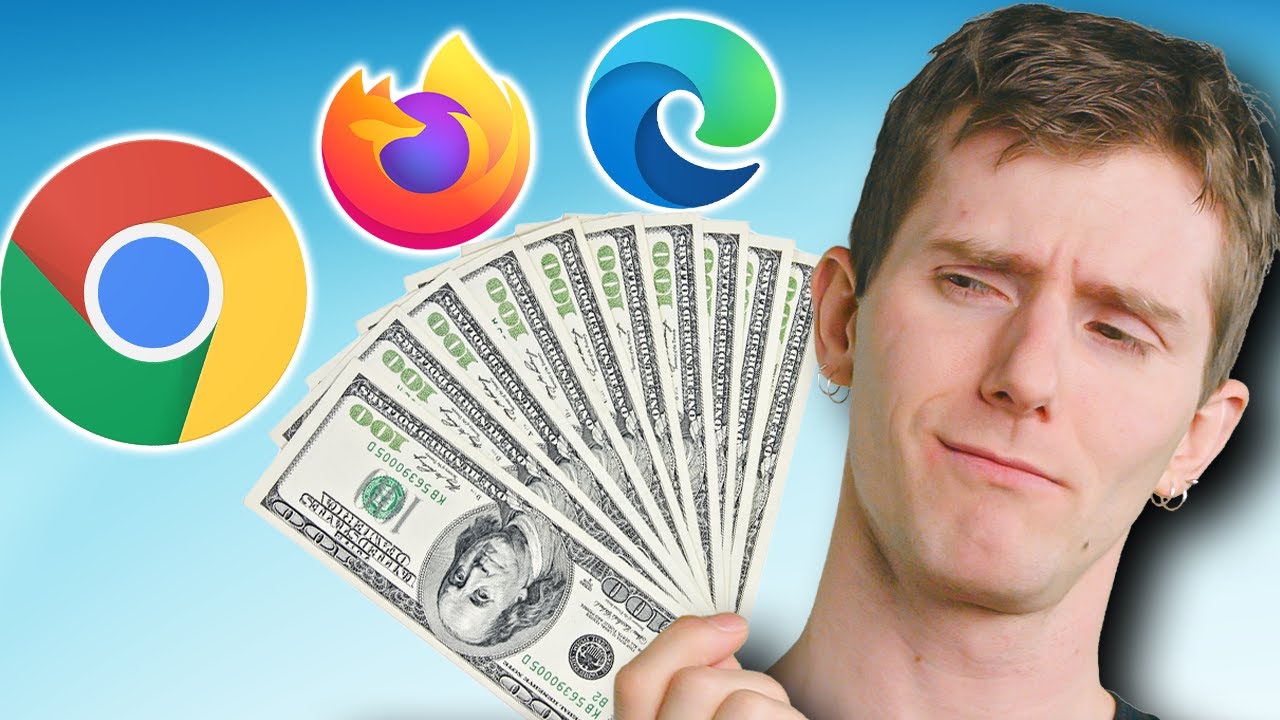
Why Web Browsers Are FREE
0 up · 0 down · 0 ratings
Promos
The first 200 people who head to brilliant.org will get 20% off their annual premium subscription of Brilliant. How do web browsers make money if they're free to use? Techquickie Merch Store: lttstore.com Follow: twitter.com Leave a reply with your requests for future episodes, or tweet them here: twitter.com
The video explains that although web browsers are free to use, they are not without cost. It begins by tracing the history of browser pricing, noting that Netscape popularized the shift to free usage in the late 1990s and that today the operating model relies on monetization that isn’t obvious to the average user. The core argument shows how major browsers monetize indirectly through search engine partnerships, ads, and platform-specific revenue streams. For instance, Google Chrome largely earns money by steering users toward Google search and its advertising ecosystem, while Microsoft Edge similarly directs traffic to Bing and associated ads. The discussion extends to Mozilla Firefox, Safari, and others, highlighting royalties from search agreements and strategic deals with search engines from Google, Yandex, and Baidu, which underwrite significant portions of their income. The video also touches on Brave and Opera as examples of alternative approaches, including Brave’s BAT rewards program and Opera’s partnerships with e-commerce sites and device manufacturers. The overall conclusion is that “free” browser software is funded by a complex web of partnerships, ads, and royalty arrangements rather than direct user payments. The presenter then shifts to how this model shapes user choices and the broader web ecosystem, noting both benefits like accessibility and potential drawbacks such as data monetization and perceived conflicts of interest. The segment closes by inviting viewers to consider the hidden costs of free software and to explore related learning resources on search engines and privacy.
Topics · technology · internet · digital_privacy · business_models · open_source
Questions answered
- How do free web browsers generate revenue if users do not pay for the software?
- Free browsers monetize through search engine royalties, built-in search defaults, and advertising, as well as partnerships with services and device manufacturers that pay for traffic or placements.
- What is Brave's approach to monetization and user rewards?
- Brave uses a cryptocurrency based rewards system called BAT, where users can opt in to view privacy-respecting ads and receive BAT rewards, with a portion of revenue going to developers.
- Do browsers have to rely on ads only inside the browser?
- Many revenue streams include ads and traffic direction to services, which can generate income beyond in-browser ads, such as royalties from search engines and pre-install deals with manufacturers.