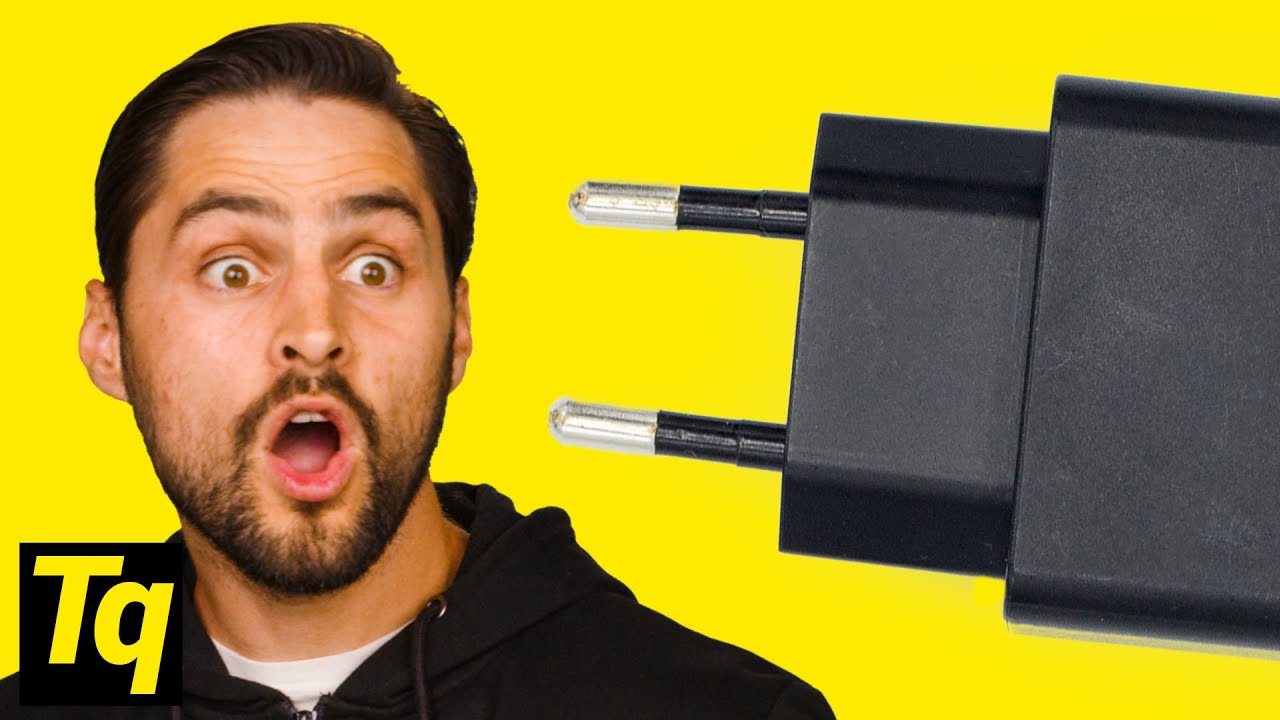
Are BULKY Chargers Going Away? - Gallium Nitride (GaN)
0 up · 0 down · 0 ratings
Promos
Sign up for Private Internet Access VPN at privateinternetaccess.com What are the advantages of new gallium nitride chargers? Leave a reply with your requests for future episodes, or tweet them here: twitter.com ►GET MERCH: lttstore.com ►SUPPORT US ON FLOATPLANE: floatplane.com ►LTX EXPO: ltxexpo.com AFFILIATES & REFERRALS --------------------------------------------------- ►Affiliates, Sponsors & Referrals: lmg.gg ►Private Internet Access VPN: lmg.gg ►MK Keyboards: lmg.gg ►Nerd or Die Stream Overlays: lmg.gg ►NEEDforSEAT Gaming Chairs: lmg.gg ►Displate Metal Prints: lmg.gg ►Epic Games Store (LINUSMEDIAGROUP): lmg.gg ►Amazon Prime: lmg.gg ►Audible Free Trial: lmg.gg ►Our Gear on Amazon: geni.us FOLLOW US ELSEWHERE --------------------------------------------------- Twitter: twitter.com Facebook: @LinusTech Instagram: @linustech Twitch: twitch.tv FOLLOW OUR OTHER CHANNELS --------------------------------------------------- Linus Tech Tips: lmg.gg TechLinked: lmg.gg ShortCircuit: lmg.gg LMG Clips: lmg.gg Channel Super Fun: lmg.gg Carpool Critics: lmg.gg
The video explains why the electronics industry is moving away from traditional silicon-based chargers toward gallium nitride GaN chargers. It begins by outlining how chargers are responsible for efficient power delivery to a range of devices, and then delves into the concept of a band gap, explaining that GaN has a wider band gap than silicon, which allows it to handle higher voltages more efficiently. This efficiency translates into tangible benefits for consumers: smaller chargers that take up less space, the potential for multi-device charging and travel adapters, and ultimately lower costs as production scales up. The host compares current silicon chargers, which struggle with space and heat at higher wattages, to GaN implementations that can push similar or higher wattage in a much smaller form factor, while reducing energy losses. The segment also notes that GaN is not a niche material anymore, having been used at scale in LEDs since the 1990s, and that users do not need proprietary devices to benefit from GaN charging. The video concludes with a practical takeaway: if you want fast charging and a smaller footprint today, you can buy GaN chargers now, though at a premium, and that widespread price parity with silicon will come as the technology matures. It also briefly mentions a sponsor and promotes related Linus Tech Tips content and resources for further topics and gear discussions.
Topics · technology · consumer electronics · energy efficiency · science
Questions answered
- What is gallium nitride and why is it different from silicon in chargers?
- Gallium nitride is a semiconductor material with a wider band gap than silicon, allowing it to handle higher voltages more efficiently, which enables smaller, lighter chargers and the potential for multi-device charging without excessive heat.
- Will GaN chargers become cheaper than silicon chargers soon?
- As GaN becomes more widely manufactured and adopted, production costs should fall, which is expected to reduce prices and possibly make GaN chargers cheaper than current silicon options over time.