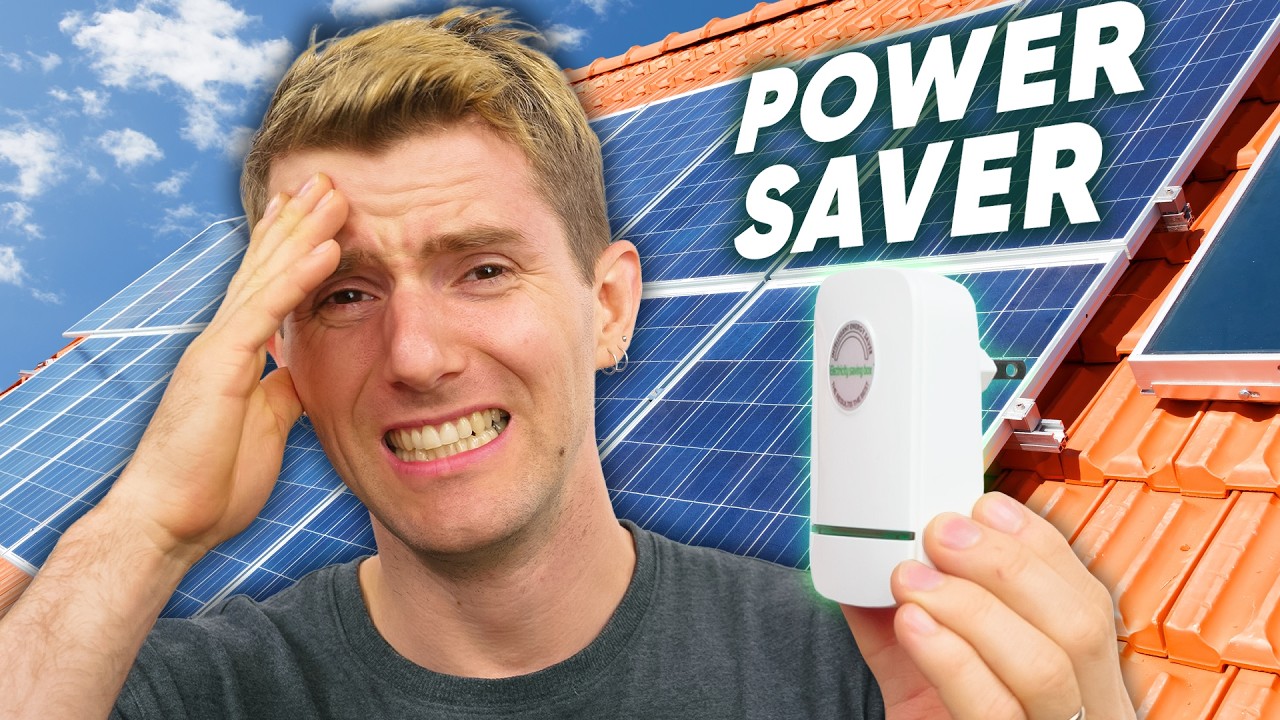
Don't fall for this Power Saving Scam!
0 up · 0 down · 0 ratings
Description
Seasonic makes some great, energy efficient power supplies.
Promos
Check out their Vertex lineup at: lmg.gg Have you seen these miracle ‘energy saver' devices advertised online and dismissed them as a scam? The way they’re advertised certainly seems sketchy. Believe it or not, the theory behind them is sound! They’re still totally a scam though. Discuss on the forum: linustechtips.com ► GET OUR MERCH: lttstore.com ► GET EXCLUSIVE CONTENT ON FLOATPLANE: lmg.gg ► GET A VPN: piavpn.com ► SPONSORS, AFFILIATES, AND PARTNERS: lmg.gg Purchases made through some store links may provide some compensation to Linus Media Group. CHAPTERS --------------------------------------------------- 0:00 Intro 0:21 Fake Ad 1:15 It's what's inside that counts 2:15 The Theory 4:39 But... 6:12 Funny Business 8:09 Credits
The video starts by framing the topic of so-called energy saving gadgets that promise to dramatically cut electricity bills. The host immediately dissects the marketing tactics used by sellers, pointing out flashy graphs, trust logos, and scare tactics designed to spur impulse buys. He then pivots to the electrical concepts behind these devices, explaining the difference between resistive, inductive, and capacitive loads. A key focus is on power factor and how residential wiring typically does not incur charges tied to poor power factor, since household devices already include built in compensation or are primarily resistive. The host walks through the internal components of a typical “energy saver” unit, showing a fake capacitor and a simple LED circuit to demonstrate inconsistencies and why the device cannot plausibly affect a home’s overall energy use. He then connects the theory to real world utility considerations, noting that large facilities with significant inductive loads may use capacitor banks, but that does not translate to savings for ordinary consumers. The message is clear: despite some legitimate theory about capacitors and power factor, these consumer devices are scams because they do not meaningfully reduce energy consumption for typical homes. The video then promotes upgrading to higher quality power supplies as a legitimate path to efficiency, using a real product as an example to highlight genuine energy savings. Finally, the host reinforces that responsible power management comes from properly specified hardware and informed purchasing, rather than cheaply marketed devices with fake claims, and encourages viewers to seek refunds where possible when they have been misled. Throughout, the presenter blends accessible electrical explanations with practical critique of marketing tactics, offering concrete demonstrations (opening the unit, inspecting connections, and exposing the fake capacitor) alongside consumer advice about refunds and legitimate upgrades. The overall takeaway is that while the underlying electrical concepts matter in industrial and specialized contexts, the advertised consumer devices do not deliver real savings for most households, and skepticism is warranted when such products promise dramatic, universal benefits.
Topics · Technology · Science & Engineering · Consumer Education
Questions answered
- Do energy saving devices like the advertised power savers actually reduce home electricity usage?
- According to the video, no, these devices do not deliver real savings for typical residential users; while the theory about capacitors and power factor is valid in industrial contexts, consumer devices are mostly ineffective and often scams.
- What should a consumer do if they have already purchased one of these devices?
- If refund options are available, pursue them; consider possible chargebacks through your bank or payment method, and seek guidance from consumer protection resources as demonstrated by viewer discussions.