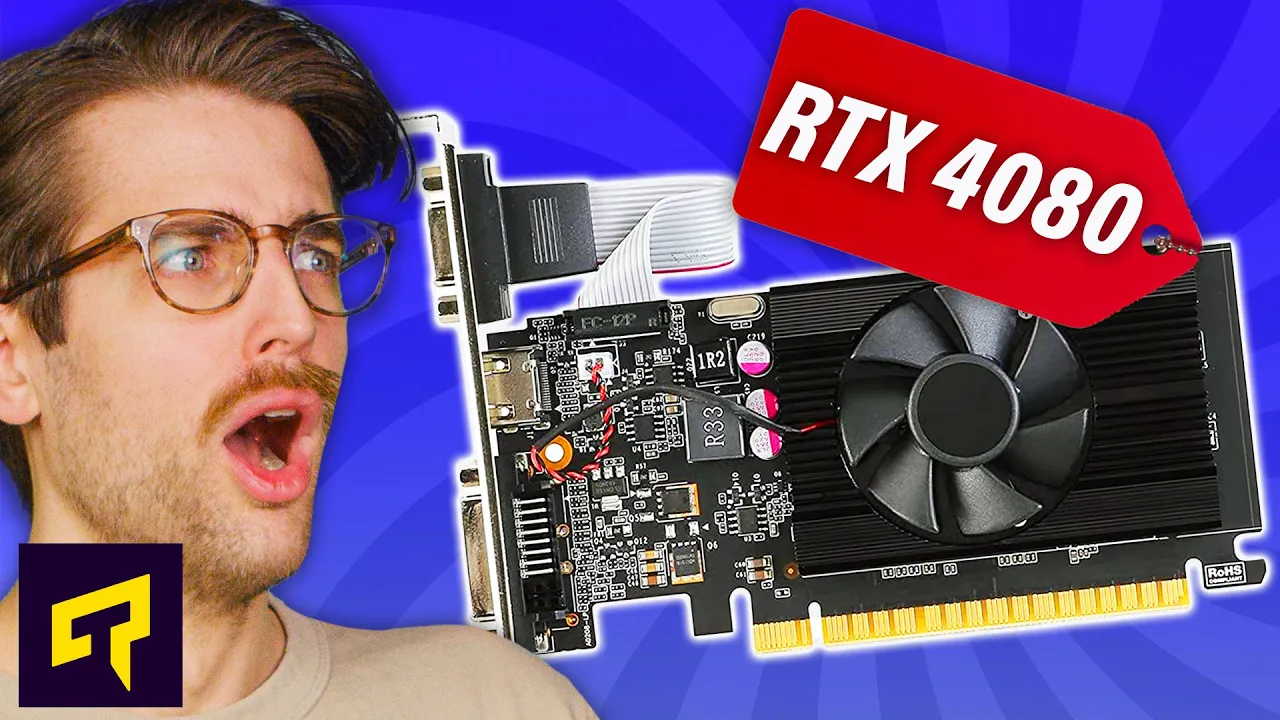
Fake Graphics Cards Are Everywhere
0 up · 0 down · 0 ratings
Promos
Visit brilliant.org to get started learning STEM for free, and the first 200 people will get 20% off their annual premium subscription. How can you avoid getting scammed and buying a fake GPU? Leave a reply with your requests for future episodes. ► GET MERCH: lttstore.com ► LTX 2023 TICKETS AVAILABLE NOW: lmg.gg ► GET EXCLUSIVE CONTENT ON FLOATPLANE: lmg.gg ► SPONSORS, AFFILIATES, AND PARTNERS: lmg.gg FOLLOW US ELSEWHERE --------------------------------------------------- Twitter: twitter.com Facebook: @LinusTech Instagram: @linustech TikTok: @linustech Twitch: twitch.tv
The video explains that counterfeit or “fake” graphics cards are more common than people realize, and it dives into how shady sellers assemble so-called Franken cards by re-soldering GPUs and VRAM onto different boards. The host emphasizes that even when the GPU and memory modules are technically legitimate, there is no guarantee about their condition, performance, or longevity because those components may have been salvaged from faulty or returned units. The discussion highlights the risks of mismatched parts, poor soldering, and potential damage from prior use in scenarios like cryptocurrency mining, which can lead to heat damage or degraded reliability. Viewers are warned that attackers may even flash BIOS modifications to misrepresent a card as a higher-end model, causing crashes or significantly reduced performance when drivers or games are run. The video also outlines common supply channels for fake cards, such as AliExpress, Wish, and third-party sellers on marketplaces like Amazon, and it advises buying from trusted sellers and well-known add-in board partners to minimize risk. Throughout, the host underscores that these frauds are engineered to deceive, and the takeaway is to practice due diligence, verify hardware provenance, and be cautious with deals that look too good to be true. The segment closes with consumer advice and a reminder that legitimate sources and recognizable brands are the best defense against counterfeit GPUs, encouraging viewers to request future episode topics and to engage with the content for more tutorials on avoiding scams.
Topics · technology · consumer-electronics · scams · hardware