3 Outdated Tech Terms we all Keep Saying
0 up · 0 down · 0 ratings
Promos
Check out the K65 Plus Wireless at: lmg.gg Learn about common tech terms we still use that have their origin in very old devices. Leave a reply with your requests for future episodes. ► GET MERCH: lttstore.com ► GET A VPN: piavpn.com ► GET EXCLUSIVE CONTENT ON FLOATPLANE: lmg.gg ► SPONSORS, AFFILIATES, AND PARTNERS: lmg.gg FOLLOW US ELSEWHERE --------------------------------------------------- Twitter: twitter.com Facebook: @LinusTech Instagram: @linustech TikTok: @linustech Twitch: twitch.tv
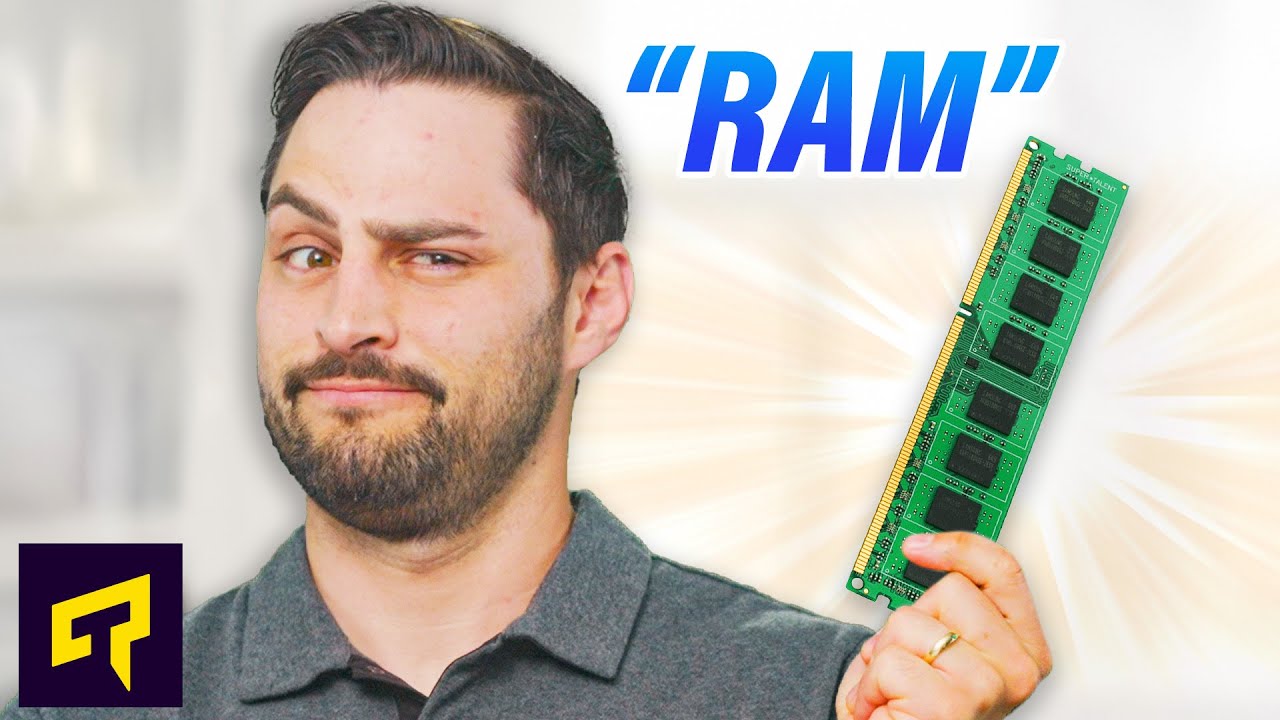
The video explores how several ubiquitous tech terms originated long before their current usage, showing that our everyday language in computing still carries echoes of older hardware realities. It starts by examining RAM, explaining that Random Access Memory originally contrasted with sequential access memory used by older storage like magnetic tape and drum memory, and clarifies that modern RAM is a fast, direct-access resource though the term remains technically accurate. The discussion then moves to the term chipset, detailing its evolution from a set of chips handling input and output to the modern practice of integrating functions into the CPU or simplifying connections to a single hub, with Intel’s platform controller hub (PCH) as a contemporary example. Throughout, the narration connects historical context to present-day devices, such as solid-state drives offering rapid random access and the shift away from multiple discrete chips toward direct CPU or single-chip architectures. The host closes by touching on PC branding history, tracing how IBM’s early personal computer design influenced later terminology like PC, WinTel, and the broader ecosystem of x86 based systems, while noting how some terms persist as cultural nouns even as their original meaning fades. Overall, the episode blends historical anecdotes with practical explanations to show why certain outdated terms remain in common use and how they reflect the hardware evolution behind modern computing. The narrative also teases upcoming episodes and invites viewer interaction, linking product mentions and sponsor segments to the broader topic of tech terminology. The result is an informative tour through the lexical baggage of computing, highlighting how the language we use today still carries the fingerprints of legacy technology and design decisions.
Topics · technology · computing · history · hardware
Questions answered
- What does RAM stand for and why is the name still used today?
- RAM stands for Random Access Memory, and the term remains because it describes memory that can directly access data at any location, unlike sequential access memories. Modern RAM is fast and often solid state, which keeps the concept accurate even as technology has evolved.
- What is a chipset and how has its meaning changed over time?
- A chipset originally referred to a set of chips handling I/O and timing for a computer. Over time, these functions were integrated or simplified, leading to configurations like North Bridge and South Bridge, with newer designs often using a single hub or platform controller hub to manage connections.